
The Hidden Symphony of the Betrayer: When Two Gaming Music Legends Collided
At Digital Tech Explorer, we often dive deep into the lines of code and the hardware that powers our favorite experiences. However, technology is only as good as the stories it helps tell. Today, I’m stepping away from the compiler to explore a masterpiece of digital sound—a soundtrack that remains one of the most haunting and technically sophisticated scores in the history of CRPGs.
I’ve always been fascinated by the Neverwinter Nights series. While Neverwinter Nights 2 might not always share the same spotlight as modern titans like Baldur’s Gate 3, its first expansion, Mask of the Betrayer (MotB), is a masterclass in atmosphere. It delivers a mature, dark take on the Forgotten Realms, powered by a uniquely chilling soundscape that pushed the boundaries of what was possible within the BioWare-Obsidian engine of the late 2000s.
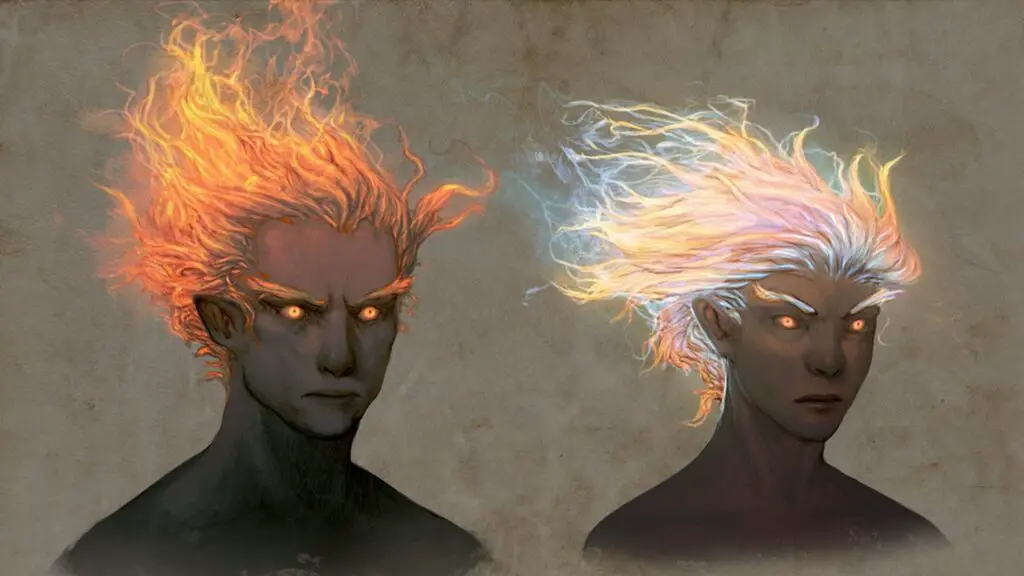
The soundtrack for Mask of the Betrayer was a rare “perfect storm”—a collaboration between two undisputed titans of gaming music: Alexander Brandon and Rik Schaffer.
A Convergence of Digital Innovation
To understand why this collaboration was so significant, one must look at the technical pedigree of these two artists. Alexander Brandon is legendary for his work on the synthy, techno-inflected scores of Deus Ex and Unreal—games that defined the “cyberpunk” and “sci-fi” audio aesthetic. Rik Schaffer, alongside Margaret Tang of Womb Music, is the mastermind behind the moody, gothic, and unforgettable soundtrack of Vampire: The Masquerade – Bloodlines.
At the time, Brandon served as the full-time audio director at Obsidian, overseeing projects like Alpha Protocol and Storm of Zehir. He recalled the development period for MotB as a time of immense creative synergy. Working alongside creative lead George Ziets, Brandon sought to elevate the expansion’s tone beyond the standard orchestral tropes of fantasy PC games.
“If you’re gonna audio direct a project, and you’re a composer, you selfishly write some tracks yourself,” Brandon noted. While Womb Music was already contracted, Brandon contributed his own technical expertise to build upon the themes Schaffer established, resulting in a cohesive yet varied auditory experience.
| Composer | Core Style | Notable Prior Works |
|---|---|---|
| Alexander Brandon | Synthesized, Electronic, Experimental | Deus Ex, Unreal, Tyrian |
| Rik Schaffer | Gothic, Ambient, Melancholy | Vampire: The Masquerade – Bloodlines |
Atmospheric Masterpieces: Death God’s Vault and Mulsantir
One of the standout tracks, “Death God’s Vault,” perfectly encapsulates the expansion’s darker D&D mood. The track uses low-frequency resonance and ethereal layers to accompany some of the most chilling dialogue in the game. It’s a testament to how sound design can enhance narrative weight, especially when delivered by veterans like Fred Tatasciore.
However, as a storyteller, my personal favorite remains the theme for Mulsantir. Mulsantir is a small city in Rashemen—the homeland of the legendary Minsc—and it serves as a hub of immense tension. It is a place where urbane merchants live alongside masked witches and temples dedicated to dead gods.
Capturing that complexity in a single, looping track is a difficult technical feat, yet Brandon nailed it. The Mulsantir theme is comforting yet sophisticated, with a mournful undercurrent that reflects the town’s grim history and hidden secrets. It avoids the usual “medieval tavern” clichés, opting for a sound that is both nostalgic and deeply sinister.
The Technical Legacy of the Spirit-Eater
While the base Neverwinter Nights 2 game relied heavily on reused assets and tracks from its predecessor, Mask of the Betrayer felt like a complete departure in hardware utilization and creative direction. Schaffer and Brandon’s rework of the main theme turned it into something more foreboding, frantic, and propulsive. It sent a clear message: “This isn’t the Forgotten Realms you remember.”
Working within what was then a fairly antiquated BioWare toolset, the duo managed to create a soundscape that perfectly matched the expansion’s “Spirit-Eater” curse and its mature narrative. For those of us who spent hours wandering through the Shadow Mulsantir or the Astral Plane, these tracks are more than just background noise—they are the soul of the digital experience.
It was a brief moment in time where two industry titans collaborated to give a “cult classic” RPG its voice. As we look at the future of AI in music and procedural soundscapes, the handcrafted brilliance of Mask of the Betrayer reminds us that the human element remains the most vital component of tech-driven storytelling.
As always, TechTalesLeo is here to bridge the gap between complex tech and the stories that move us. For more insights into digital innovation and the history of gaming, stay tuned to Digital Tech Explorer.