
At Digital Tech Explorer, we often look at the evolution of software and digital design, but few stories are as fascinating as the “controlled chaos” found in video game development. While Capcom has been on a legendary run with recent releases, earlier chapters in the Resident Evil saga were nearly lost to development hell. Resident Evil 2 was famously rebooted about 70% of the way through its cycle, with the original build eventually dubbed Resident Evil 1.5. As TechTalesLeo, I love these behind-the-scenes narratives because they show how a single creative pivot can redefine an entire genre.
The Genesis of Goofy: Rewriting Resident Evil 2
“It was all too realistic. The ominous atmosphere from the first game, as represented in things like the Spencer Mansion itself, the armor room, key items like the jewelry box and gemstones… all that had been removed,” explained Resident Evil 2 writer Noboru Sugimura in a landmark 1998 interview. When Sugimura joined mid-development, his critique was blunt: the game felt “strangely sterile.”
The original Raccoon City police station was designed to be modern and functional. However, Sugimura felt this realism stripped the series of its identity. By abandoning the “realistic” 1.5 version, Capcom moved toward the Gothic, museum-like architecture that fans now associate with the RPD. This shift is a prime example of how digital storytelling often requires a touch of the surreal to truly resonate with an audience.
Chief Brian Irons: The Key to Nonsensical Puzzles
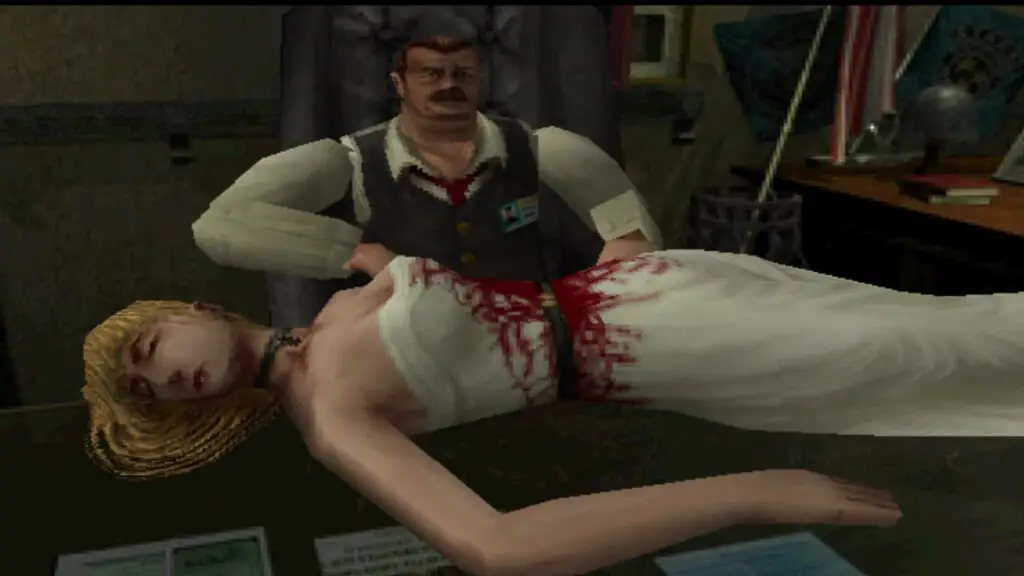
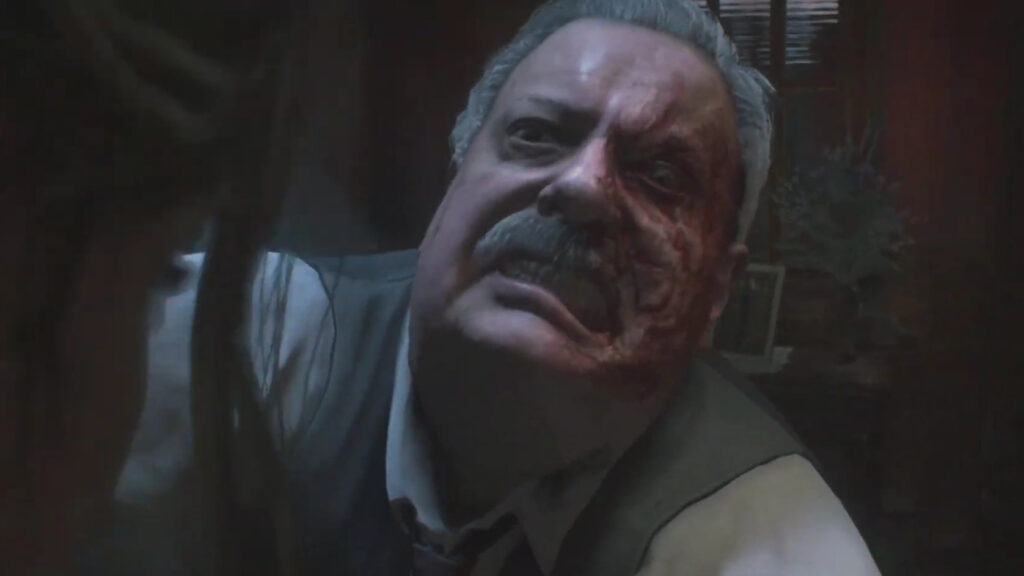
One of the most enduring legacies of this reboot was the creation of Chief Brian Irons. In the original “1.5” draft, the police chief was a standard, unremarkable character. Under Sugimura’s direction and Director Hideki Kamiya’s execution, Irons became the anchor for the game’s increasingly bizarre mechanics.
| Feature | Resident Evil 1.5 (Canceled) | Resident Evil 2 (Final) |
|---|---|---|
| Setting | Modern, functional police station | Converted art museum (RPD) |
| Chief Irons | A “normal” bureaucratic official | A corrupt, eccentric “weirdo” |
| Puzzle Logic | Realistic security protocols | Statues, gems, and astronomical symbols |
| Tone | Sterile and grounded | Ominous and Gothic |
“I was the one who created that deviant personality of his,” Sugimura noted. The team realized that placing ornate medals and gemstone-triggered doors in a modern police station made no sense. The solution? Make the guy in charge an eccentric collector with an “insane grin.” This creative “patch” allowed the developers to include the intricate puzzles that have become a staple of PC and console horror games ever since.
As TechTalesLeo, I find Sugimura’s philosophy on “internal consistency” fascinating: “Reality depends on persuasion and belief, so as long as everything was consistent, it would appear real.” By leaning into the absurdity and providing a character-driven reason for it, Capcom created a world that felt more immersive than a “realistic” one ever could.
Even today, when we look at upcoming tech like AI-acceleration in gaming or the high-fidelity graphics of 4K resolution titles, the core of a great game still relies on this type of cohesive world-building. The developers eventually embraced the “ridiculous details,” such as ritual torches in secret hallways, proving that sometimes the best way to fix a “sterile” product is to inject it with a bit of madness.
At Digital Tech Explorer, we’re keeping a close eye on how these design philosophies carry over into future releases. Whether it’s the latest hardware trends or the history of your favorite survival horror franchise, we aim to bridge the gap between complex tech and the stories that make it worth exploring.
Disclaimer: All content on Digital Tech Explorer is for informational and entertainment purposes only. Some links may be affiliate links; we may earn a commission at no additional cost to you. For more insights, visit our author page.