
AI-Generated Homer Simpson Covers Are Swamping Peer-to-Peer Network Soulseek
The digital landscape is no stranger to strange phenomena, but the latest trend hitting the peer-to-peer (P2P) world is one for the history books. Here at Digital Tech Explorer, we’ve tracked the evolution of AI from simple scripts to complex creative engines, but even we didn’t expect the voice of a certain yellow patriarch from Springfield to take over one of the internet’s most resilient file-sharing platforms: Soulseek.
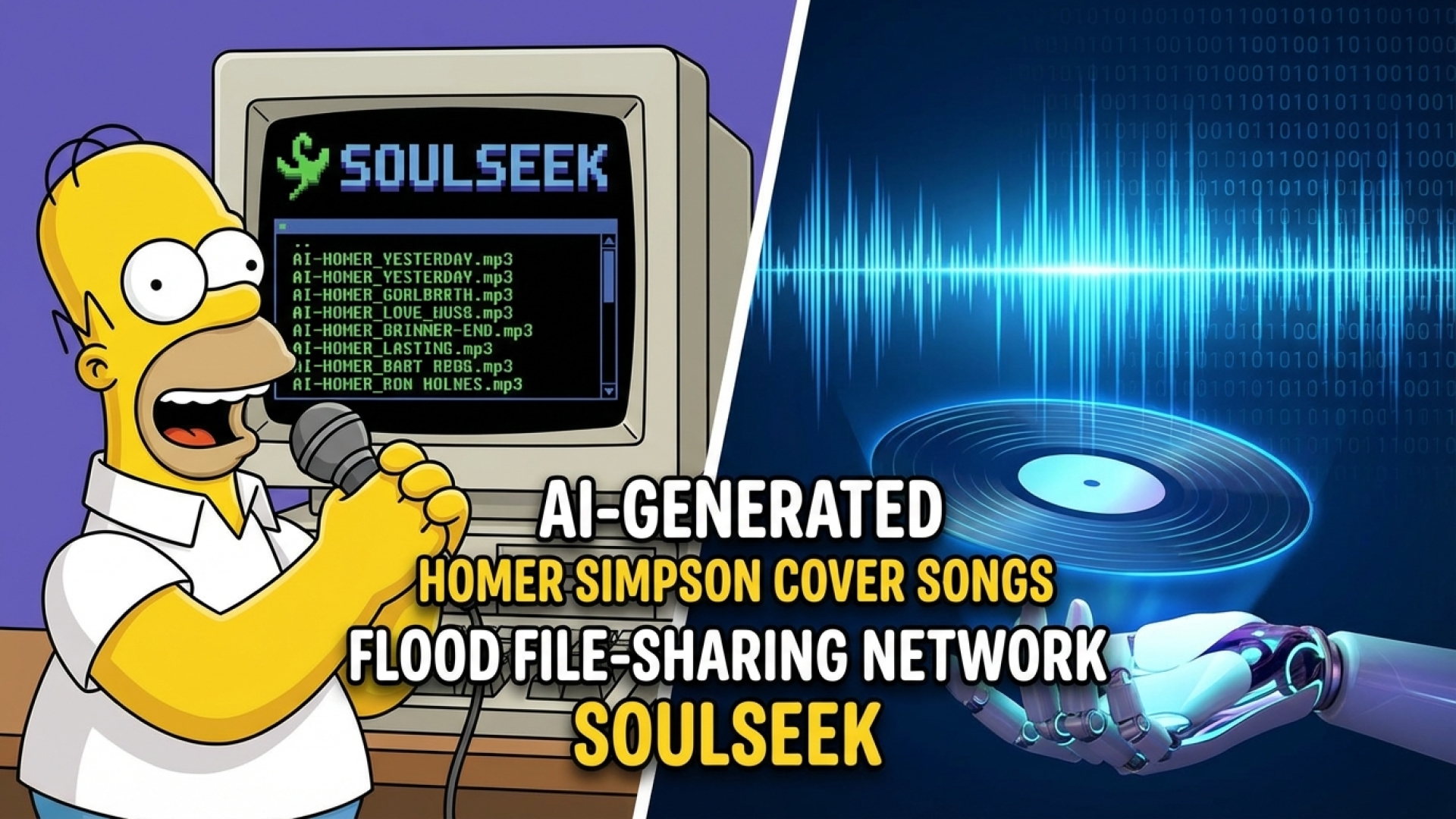
Currently, Soulseek is being flooded by a massive wave of AI-generated cover songs featuring the iconic, gravelly vocals of Homer Simpson. What started as a niche meme has transformed into a massive library of digital content that is challenging the way users interact with the network.

The Unprecedented Influx of AI Homer Simpson Covers
As a storyteller in the tech space, I’ve seen how AI acceleration can disrupt established systems. Soulseek, a platform traditionally beloved by audiophiles and collectors for its access to rare and obscure tracks, is currently facing a unique challenge. Reports indicate that an unknown online prankster (or group of pranksters) is responsible for circulating over 2,000 unique Homer Simpson cover songs.
These tracks are rapidly being reshared across the network, creating a massive digital footprint. From heavy metal classics to contemporary pop hits, there isn’t a genre safe from the AI-generated vocal stylings of Dan Castellaneta’s most famous character. This isn’t just a handful of files; it’s a coordinated influx that is significantly altering the user experience for those hunting for authentic audio.
Impact on Users Seeking Rare and Independent Music
Soulseek operates on a folder-sharing architecture, much like the early days of decentralized networks. Users share specific directories, making it a goldmine for those searching for rare, underground, and independent music. However, the current “Homer Plague” is causing frustration due to a clever bit of metadata manipulation.
These AI-generated tracks are being disguised with legitimate track titles, artist names, and album metadata. A user searching for a rare bootleg might download what looks like a pristine FLAC file, only to hit play and be greeted by Homer Simpson belt out a power ballad. For a platform that thrives on precision and niche discovery, this flood of comedic content acts as a digital smoke screen, making it increasingly difficult to find authentic, hard-to-find audio files.
Beyond Soulseek: D’oh FM and the AI Homer Meme
The reach of this AI-driven phenomenon extends beyond file-sharing folders. A dedicated online radio station, D’oh FM, has emerged to curate the “best” of these AI covers. Broadcasting live from a digital version of “Springfield,” the station highlights the internet’s fascination with how machine learning can be used for absurdist entertainment.
While it remains unconfirmed if the creators of D’oh FM are the same individuals flooding Soulseek, the synergy between the two suggests a broader cultural moment. It’s a testament to how accessible AI voice-cloning tools have become, allowing creators to bridge the gap between complex software and viral storytelling.

A Modern Echo of Napster and Kazaa
For those of us who grew up in the early era of PC games and the Wild West of the early internet, this situation feels strangely familiar. It harks back to the days of Napster and Kazaa, where downloading a song was often a gamble. Whether it was the infamous “LinkinParkNumb.exe” or tracks that turned out to be loud screaming or Rickrolls, the “metadata prank” is a foundational piece of internet history.
The difference today is the sophistication. These aren’t just mislabeled files; they are fully realized, AI-produced musical performances. While they aren’t malicious in the way old-school malware was, they represent a new frontier of digital pranks. As technology continues to evolve, the line between authentic content and AI-generated parody will only continue to blur.
Stay tuned to Digital Tech Explorer as we continue to track the intersections of hardware, software, and digital culture. Whether it’s the latest in coding or the weirdest trends in P2P sharing, we’re here to keep you informed.
About the Author: TechTalesLeo is a storyteller and tech enthusiast dedicated to making digital innovation accessible through engaging narratives and deep-dive analyses.
Disclaimer: All content on Digital Tech Explorer is for informational and entertainment purposes only. We do not provide financial or legal advice. Some of the links on Digital Tech Explorer are affiliate links; we may earn a commission if you click through and make a purchase, at no additional cost to you.