
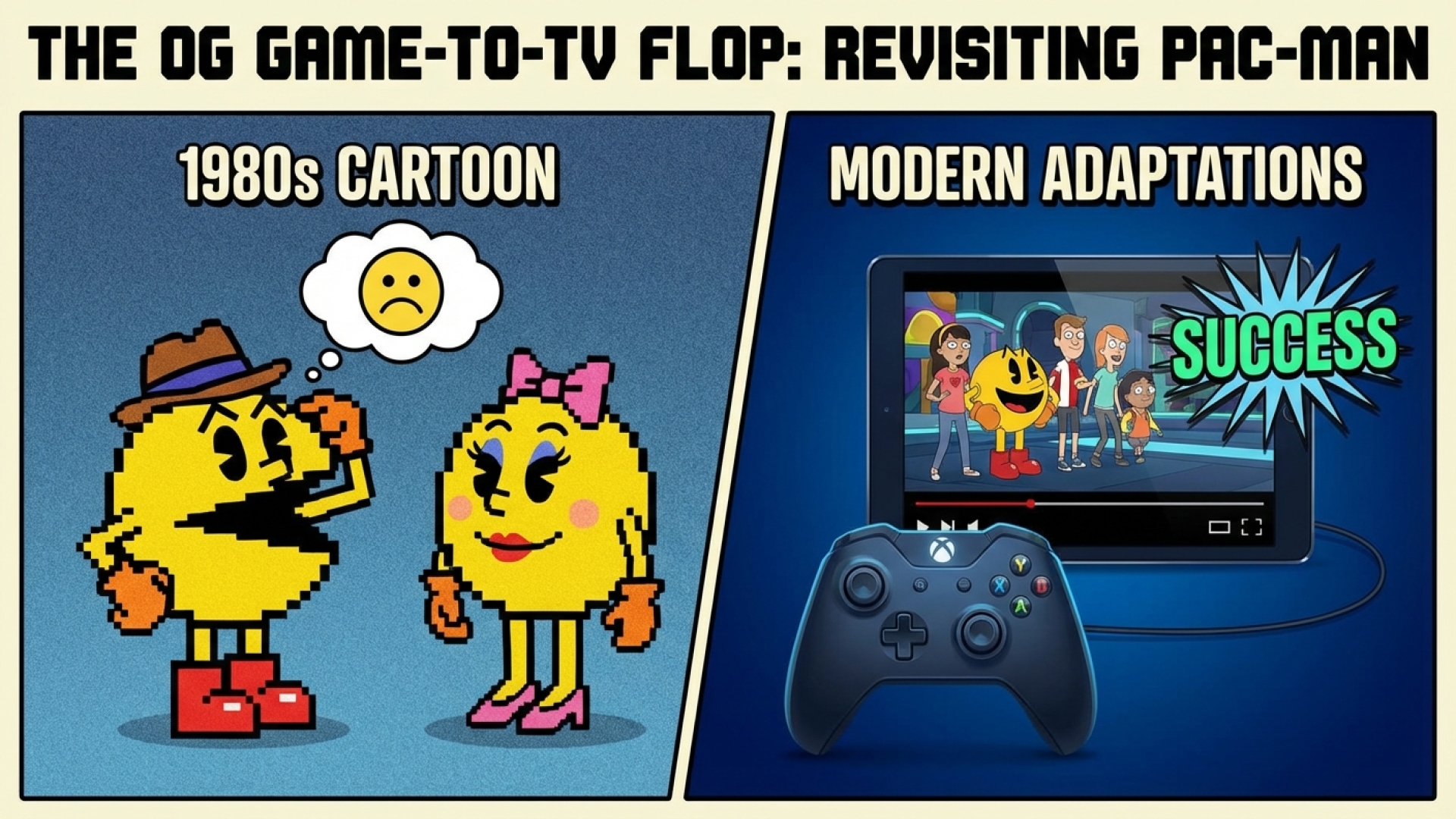
The Dawn of Game Adaptations: Pac-Man (1982)
The pioneering Pac-Man animated series, produced by Hanna-Barbera from 1982 to 1983, holds the title of the first-ever television show based on a video game. At a time when gaming was still in its infancy, the creators had minimal source material to work with—essentially a yellow circle eating dots in a maze. The resulting world-building was, to put it mildly, uninspired. Set in “Pac-Land” within “Pac-Village,” the show introduced Pac-Man’s wife, Pepper (Ms. Pac-Man), and their child, Pac-Baby. The society was overseen by a “Pac-President” and protected by a hero named “Super-Pac.” This repetitive naming convention highlights a lack of creative depth that would never fly in today’s market. Imagine if modern 2024 releases followed this logic, giving us characters like “Fall-Girl” wandering “Fall-Land” in the Fallout universe. It underscores just how far narrative innovation has come.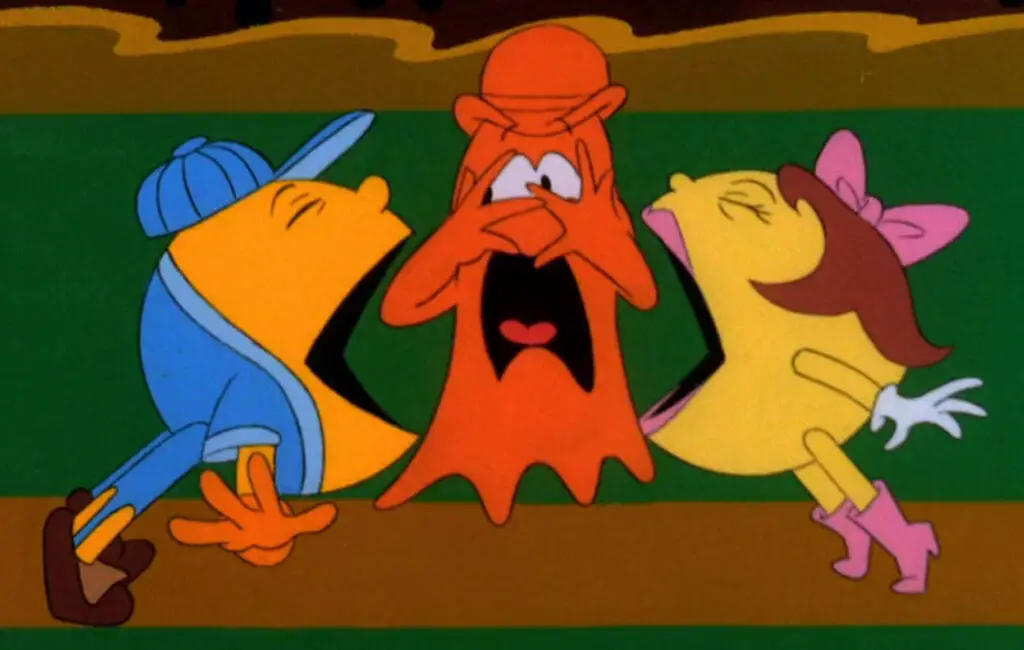
Antagonists and the “Power Pellet” Problem
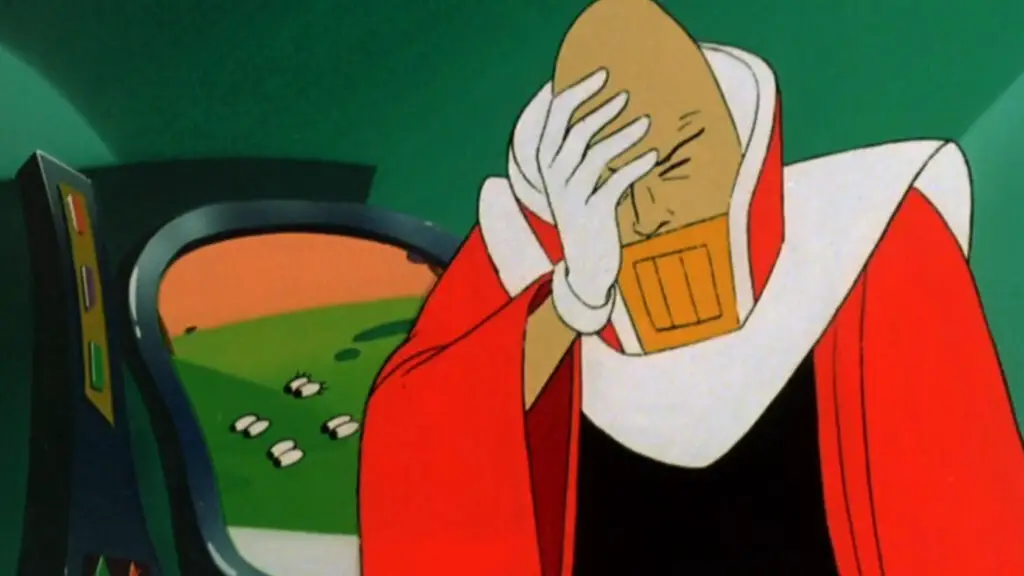
In the series, Pac-Man is hunted by the classic five “ghost monsters”: Inky, Blinky, Pinky, Clyde, and Sue (who transitioned from the Ms. Pac-Man arcade cabinet). These ghosts serve a villain named Mezmaron, a character who strangely wears a muzzle despite living in a world centered around eating. Mezmaron’s sole motivation is to discover the secret location of Power Pellets. In a display of literal world-building, these pellets are revealed to grow on “Power Pellet Trees” in the “Power Pellet Forest.” The plot structure of almost every episode was identical:- Mezmaron sends ghosts to chase Pac-Man.
- Pac-Man flees until he finds a stray Power Pellet.
- Pac-Man eats the pellet and subsequently eats the ghosts.
- The ghosts return to Mezmaron as eyeballs to get new “ghost suits.”
Comparing Eras: Then vs. Now
To understand the leap in quality, we can compare the attributes of the first game adaptation to the standards of AI-accelerated and high-budget productions of today.| Feature | 1982: Pac-Man Animated Series | 2024: Modern Adaptations (Fallout/Arcane) |
|---|---|---|
| World-Building | Literal (Pac-Land, Pac-Village) | Deep Lore and Ecological Context |
| Character Arc | Static / One-dimensional | Complex, Morally Grey Protagonists |
| Visual Fidelity | Standard 2D Cel Animation | Photorealistic CGI or Stylized Masterpieces |
| Plot Structure | Repetitive “Chase and Eat” | Serialized, High-Stakes Narrative |
Missed Talent and Bizarre Adaptation Choices
From a production standpoint, the show famously underutilized legendary voice actor Peter Cullen. Known worldwide as the voice of Optimus Prime, Cullen was relegated to voicing Pac-Man’s cat, a character that mostly provided wheezing sound effects. This is a far cry from the star-studded casting calls we see in modern hardware-intensive productions today. The second season attempted to pivot by introducing “PJ,” a younger version of Pac-Man, and leaning into surrealist plots. These included Pac-Man turning into a werewolf and the face of George Washington on Mount Rushmore coming to life to assist in a battle against Mezmaron. While these shifts provided more “manic energy,” they felt like a desperate scramble for relevance rather than a cohesive expansion of the brand.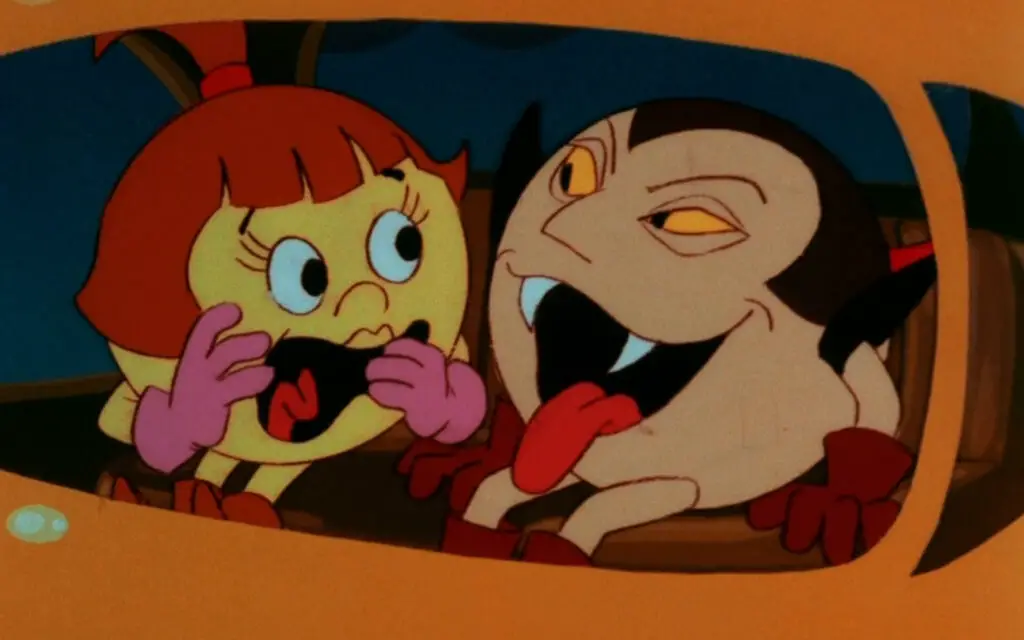
The TechTalesLeo Perspective: Why It Matters
As a storyteller at Digital Tech Explorer, I believe looking at these “relics” of digital media is essential. The Pac-Man TV show lasted 44 episodes across two seasons, which was a success by 1980s standards. However, it represented the “low-effort” era of licensing where a brand name was enough to carry a show. Today, whether we are discussing 3D gaming or high-definition streaming, the bar has been raised. Even flawed modern shows like Resident Evil or The Witcher attempt to engage with the lore and psychology of their source material. We have transitioned from simply “slapping a brand name on a cartoon” to creating immersive cinematic experiences that respect the original developers’ visions. The next time you find yourself critiquing a CGI effect in a new series, remember Pac-Land. We’ve come a long way from the “Power Pellet Forest,” and the future of game-to-screen transitions has never looked brighter.Disclaimer: All content on Digital Tech Explorer is for informational and entertainment purposes only. We do not provide financial or legal advice. Affiliate Disclaimer: Some of the links on Digital Tech Explorer are affiliate links. This means we may earn a commission if you click through and make a purchase, at no additional cost to you. Our recommendations are based on thorough research and personal experience.