
In a move that promises to significantly enhance the user experience for PC gamers worldwide, Valve is reportedly developing a sophisticated “Framerate Estimator” for its Steam platform. Here at Digital Tech Explorer, we’ve been tracking the evolution of gaming performance tools, and this latest development follows a beta release that initially focused on anonymized frame rate data for SteamOS devices. However, recent discoveries within the latest beta code suggest a much broader application: allowing every user to gauge exactly how a title will perform on their specific gaming rig.

How the Framerate Estimator Will Work
As a storyteller who has seen the transition from simple system requirements to complex real-time benchmarks, I find the proposed Framerate Estimator particularly intriguing. The tool aims to replace guesswork with data-driven expectations. Users can manually input their PC hardware configuration, including CPU, GPU, and system DRAM. For those using the Steam client directly, the system is expected to auto-detect these specifications seamlessly.
The accuracy of these projections hinges on the community. Valve’s system will rely on the volume of performance data submitted by players who opt into the data collection program. By aggregating real-world testing from millions of configurations, Valve can provide a performance estimate that reflects actual gameplay rather than theoretical maximums. While we are still waiting to see if resolution and quality presets (Ultra vs. Low) are included in the initial launch, the core utility for the average consumer is undeniable.
A Tech Tale: The Evolution of Performance Benchmarking
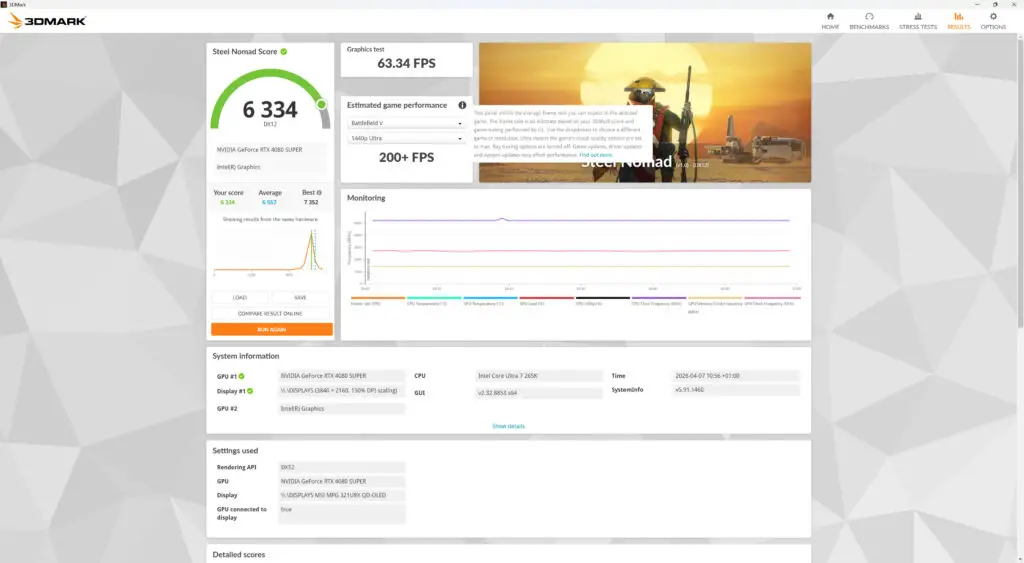
This innovation feels like a spiritual successor to tools from the early 2000s. Nearly two decades ago, I managed YouGamers, a division of Futuremark—the team behind the legendary 3DMark benchmark. We pioneered a “Game-o-meter” that scanned a user’s PC to generate a performance score based on the extensive 3DMark database. It was a bridge between complex hardware specs and everyday usability.
| Feature | Legacy Game-o-meter (Futuremark) | New Steam Framerate Estimator |
|---|---|---|
| Data Source | Synthetic 3DMark Benchmarks | Actual In-Game Frame Rates |
| Cost | Partially Paid/Subscription | Free for all Steam Users |
| Integration | Browser-based scan | Native Steam Client Integration |
| Hardware Support | General PC Components | Detailed PC & Steam Deck/SteamOS |
Valve’s Edge: The Power of Community Data
The Digital Tech Explorer team believes Valve’s approach offers a significant upgrade over historical methods. By basing estimates exclusively on specific game performance rather than generic benchmarks, Valve ensures the insights are highly relevant to the end-user. This specificity helps gamers identify performance issues before they hit the “Purchase” button, which is essential for maintaining transparency in the digital marketplace.
To ensure this database grows quickly, Valve could implement a community-driven incentive system. Offering unique badges or Steam achievements for users who upload performance data for 50 or 100 games would likely populate Valve’s database within weeks. This gamification of data collection would turn the community into a massive, real-time QA department.
As we continue to explore the intersection of AI acceleration and gaming hardware, tools like the Framerate Estimator will become vital. Stay tuned to Digital Tech Explorer as we keep you updated on when this feature moves from beta to a full public release.