
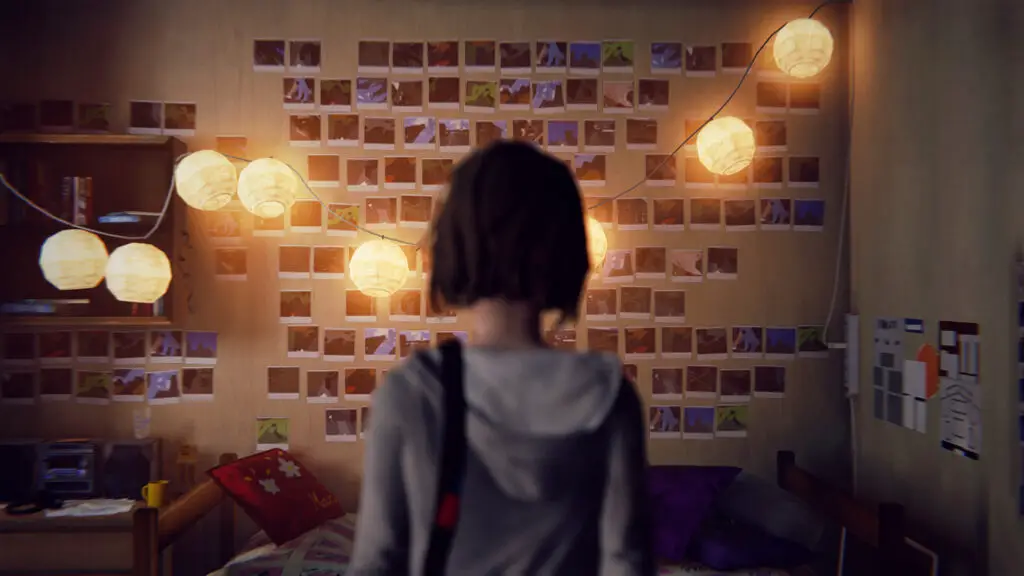
With the recent conclusion of Max Caulfield and Chloe Price’s decade-long saga in Life is Strange: Reunion, I’ve found myself spiraling back into the digital atmosphere of the game that sparked this entire revolution. The original 2015 Life is Strange didn’t just launch a franchise; it arrived during a pivotal chapter of my own life. I was navigating the complexities of returning to college after a three-year hiatus—that specific, awkward era where you realize adulthood isn’t the finished product you were promised in high school.
Critical Hit: The Pulse of Digital Sound
Welcome to Critical Hit, a recurring column here at Digital Tech Explorer where we dissect the intersection of technology, audio design, and emotional resonance. As TechTalesLeo, I’m obsessed with how developers use digital tools to make our ears tingle and our hearts sink. Formerly known as Soundtrack Sunday, this space is dedicated to celebrating the sonic innovations that define the modern gaming landscape.
During the original release, I was the type of player who would stay up until the early hours of the morning, refreshing the store page until a new episode dropped. I was desperate for more of Max’s time-rewind mechanics and Chloe’s electric, albeit chaotic, energy. I recall staying awake until 4:00 AM just to ensure I was among the first to witness the next stage of their evolution. Looking back, the dedication was intense, but the experience was transformative.
While the game is often remembered for its occasionally “cringe” dialogue—yes, I still cringe at “moshpit, shaka brah”—and its poignant portrayal of queer identity, the element that has truly stood the test of time is its meticulously curated soundtrack. It represents a masterclass in how licensed audio can elevate a digital product from a simple game to a cultural touchstone.
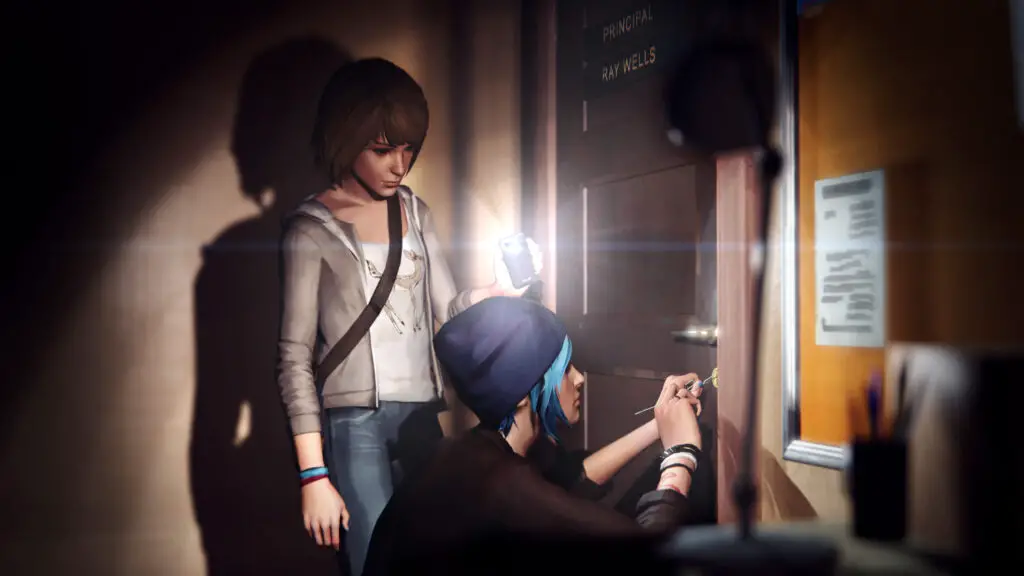
At Digital Tech Explorer, we frequently dive into the technicalities of original scores, but we shouldn’t overlook the complex licensing and creative curation required to hand-pick real-world tracks. This isn’t just about background noise; it’s a narrative tool. In earlier eras of hardware and software, licensed music was often used for surface-level immersion—think of the high-octane radio stations in Grand Theft Auto or the adrenaline-pumping sets in sports simulators.
However, when the mid-2010s ushered in the era of episodic storytelling, the role of music shifted. These games adopted a structure similar to prestige television. Developers began using tracks to punctuate emotional peaks or establish a “cold open” atmosphere. It’s a technique that echoes the best of TV, where a specific song becomes synonymous with a character’s growth or a shocking plot twist.
Setting the Digital Tone
Studios like Telltale Games initially perfected this “TV-style” musical integration, but for me, the pinnacle remains Life is Strange. Despite the developers being based in France, they managed to capture a hyper-specific version of the American high school experience, largely through a soundtrack that feels both intimate and expansive.
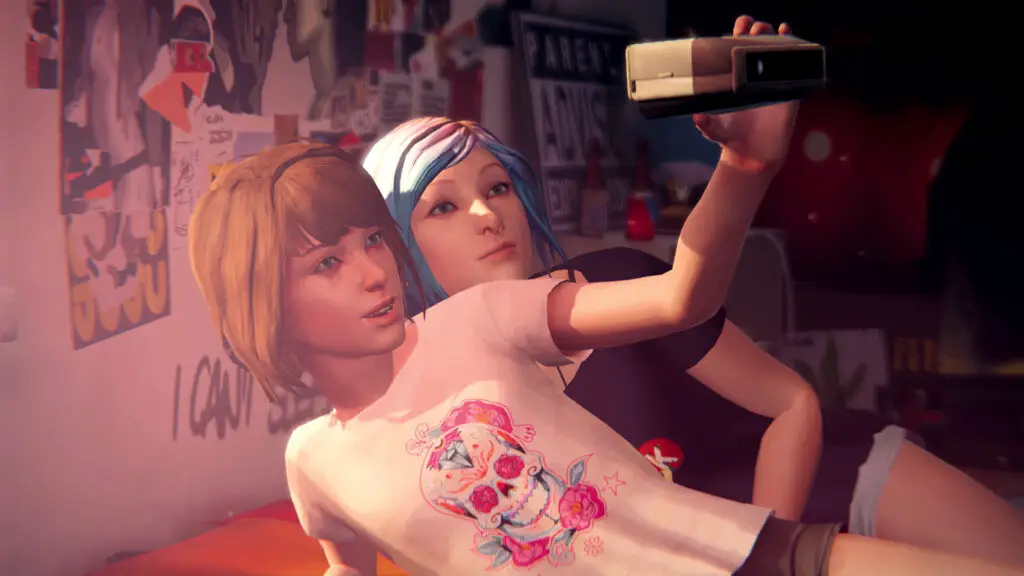
The moment you guide Max through the halls of Blackwell Academy as Syd Matters’ “To All of You” begins to play, the game establishes its identity. It’s unapologetic indie-rock chic—grounded, dramatic, and surprisingly human despite the supernatural time-bending at its core. This wasn’t just a playlist; it was a vibe that felt authentic to the “figuring things out” phase of life.
The soundtrack is a collection of moody acoustic guitars and raw, emotional vocals. It feels experimental and “scrappy,” much like the game’s own journey through digital innovation. These tracks aren’t just background filler; they are the heartbeat of the experience. This culminates in the use of Foals’ “Spanish Sahara”—a song so heavy with narrative weight that it perfectly encapsulates the gravity of the game’s final choices.
While subsequent entries in the series have maintained high standards—I was particularly thrilled to hear Girl in Red’s “I’ll Die Anyway” in the opening of Reunion—there is a unique magic in that first curation. It was heartfelt, emotional, and perfectly aligned with the game’s soul. As we continue to explore the future of AI-acceleration in gaming and next-gen audio, reflecting on these hand-crafted musical moments reminds us why storytelling remains the most important tech of all.
For more deep dives into gaming history and the latest tech trends, stay tuned to Digital Tech Explorer. If you’re looking for more insights into digital innovation, check out our latest reviews on high-performance GPUs and 3D gaming hardware.