
In the rapidly evolving landscape of digital entertainment, the release strategy of a major title can tell a story as compelling as the game itself. At Digital Tech Explorer, we keep a close eye on these shifts, and the launch of High on Life 2 offers a fascinating case study in platform dynamics and developer intent. Breaking away from the seven-month console exclusivity that defined its predecessor, the sequel made a simultaneous splash across PC, PS5, and Xbox Series X|S, signaling a bold new chapter for Squanch Games.

The Surprising Hierarchy of Platform Sales
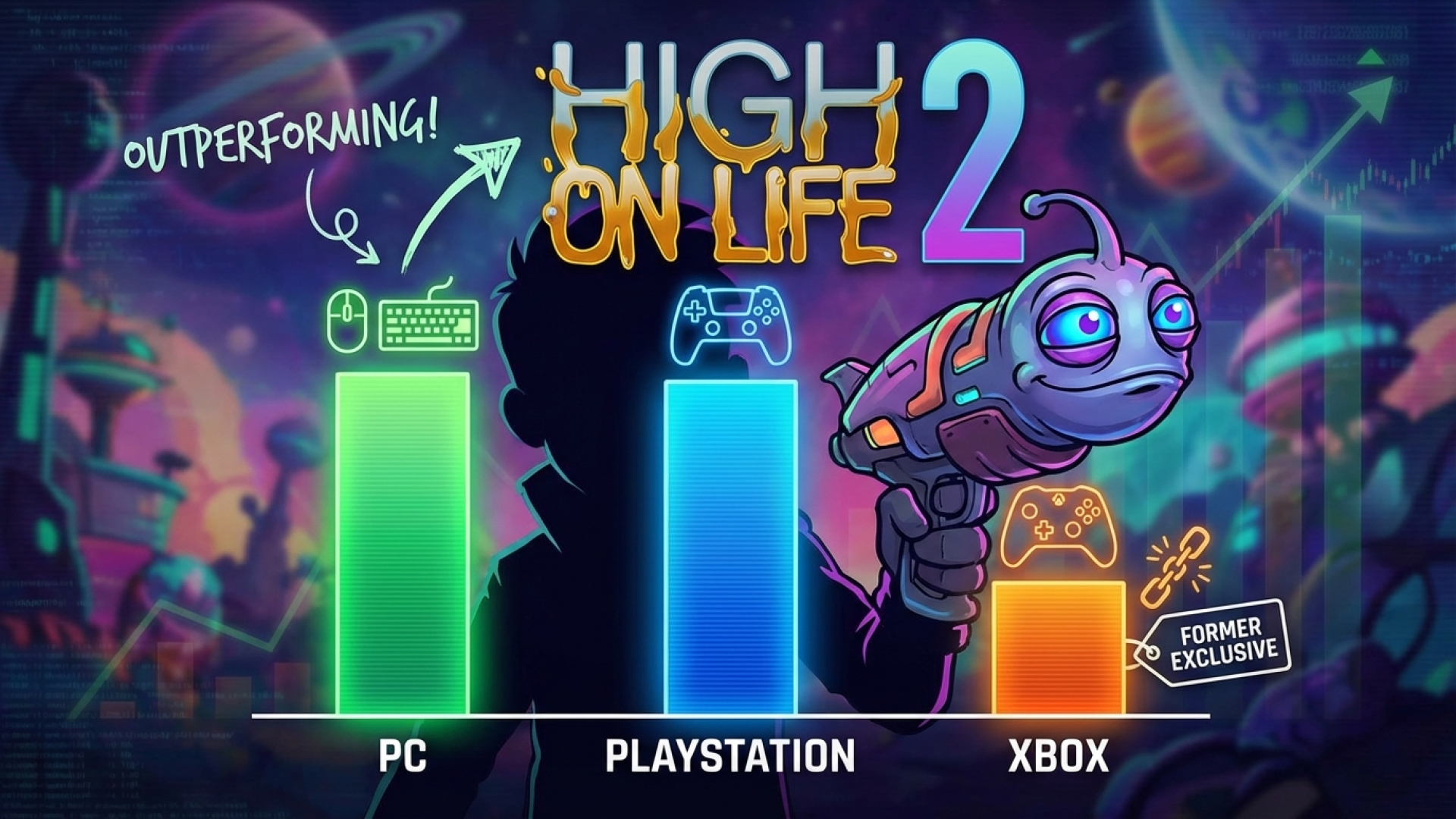
As a storyteller in the tech space, I find the data behind player preferences often reveals hidden trends. Despite the original game’s deep roots in the Microsoft ecosystem, the sequel’s performance tells a different tale. Squanch Games CEO Mike Fridley recently shared insights with TechRadar, noting that Sony’s hardware has emerged as the “lead platform” for the studio. This is particularly striking given the initial exclusivity clause that favored Microsoft in the past.
For our community of PC gaming enthusiasts, the news is equally intriguing. While PlayStation leads the pack, Steam follows closely in unit sales, placing PC performance significantly ahead of Xbox. This shift suggests that even with the “free” allure of Game Pass, a massive segment of the audience prefers to own their digital library on their platform of choice.
Strategic Distribution and Platform Performance
To better understand how High on Life 2 sits in the current market, here is a breakdown of its availability and sales impact across the major ecosystems:
| Platform | Sales Ranking | Access Model |
|---|---|---|
| PlayStation 5 | #1 (Lead Platform) | Direct Purchase |
| PC (Steam) | #2 (High Volume) | Direct Purchase |
| Xbox Series X|S | #3 | Game Pass / Purchase |
A Business Case for Multi-Platform Launches
From a developer’s perspective, the decision to go wide from day one isn’t just about reaching more players—it’s about efficiency. Fridley pointed out that a simultaneous release allows a studio to consolidate its marketing efforts. Instead of two separate, costly promotional cycles, Squanch Games was able to leverage a single, unified push to capture the global gaming audience.
External market factors also played a role. The recent Game Pass price hike has caused some shifts in subscriber behavior. By ensuring the game was available for purchase elsewhere immediately, the studio mitigated the risk of a potentially shrinking subscription base. This proactive approach ensures the “High on Life” brand continues to grow as a powerhouse franchise, prioritizing long-term visibility over short-term exclusivity deals.

Building a Franchise in the Age of Subscription
Despite the strong sales on other platforms, Microsoft’s ecosystem remains a vital tool for discovery. Xbox continues to support Game Pass titles heavily, providing a level of visibility that is hard to replicate. For a studio in “franchise building mode,” the goal is simple: get the game in front of as many eyes as possible. Whether players are engaging through a subscription or a direct purchase on a high-end GPU powered rig, the ultimate win is a larger, more engaged fan base.
If you are ready to experience this unique first-person shooter and its unabashedly gross, yet surprisingly genuine world, be sure to check out the latest High on Life 2 review. It’s a title that proves humor and high-stakes tech can coexist beautifully.
Disclaimer: All content on Digital Tech Explorer is for informational and entertainment purposes only. We do not provide financial or legal advice. Some of the links on Digital Tech Explorer are affiliate links. This means we may earn a commission if you click through and make a purchase, at no additional cost to you. Our recommendations are based on thorough research and personal experience.