
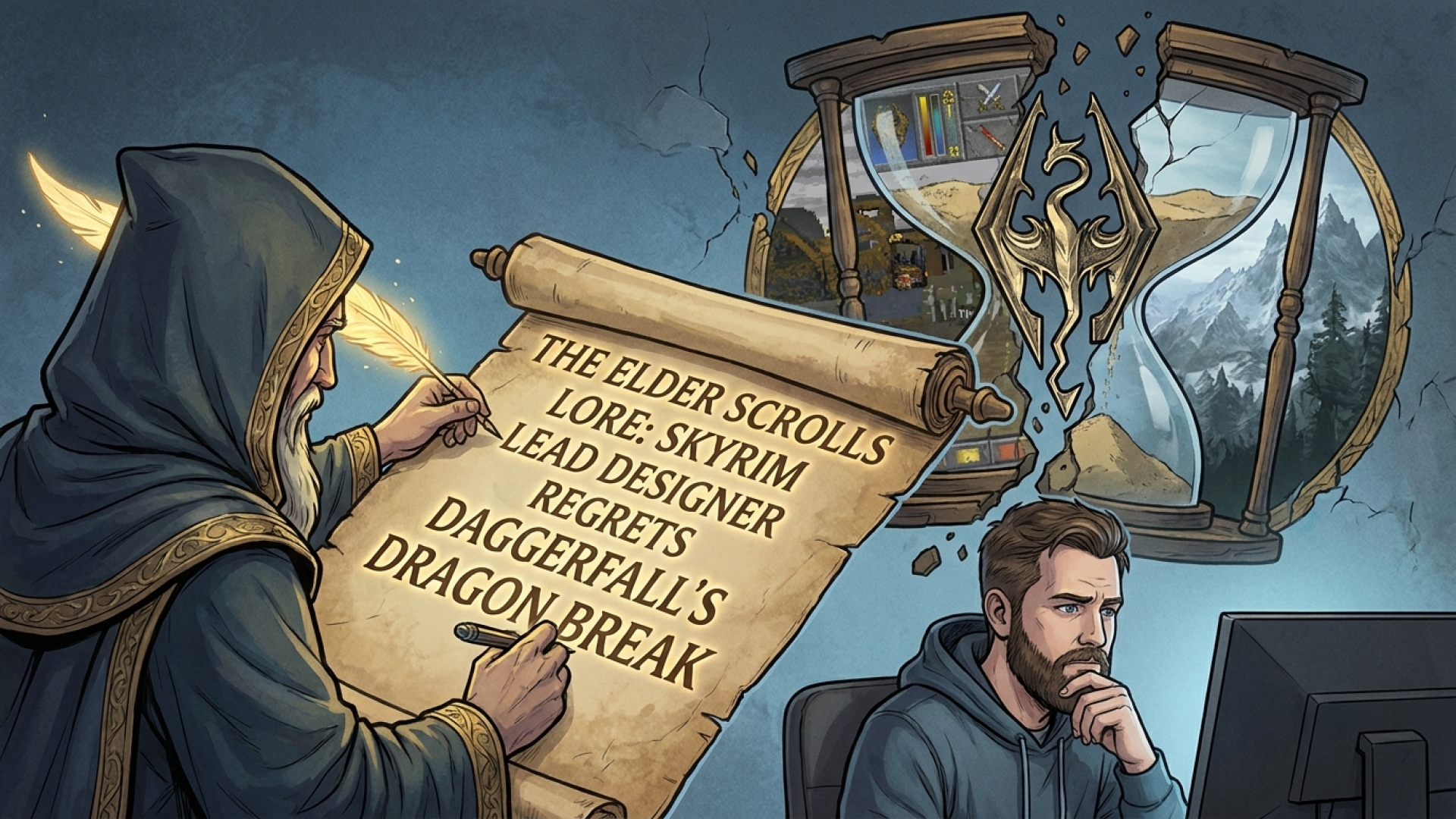
For many developers and tech enthusiasts at Digital Tech Explorer, the evolution of narrative structures in gaming is just as fascinating as the code powering the engines. Recently, Bruce Nesmith, the former design lead for Skyrim, shared a rare glimpse into the development hurdles of The Elder Scrolls series. While he touched on Todd Howard’s management and the longevity of older titles, one revelation stood out to lore aficionados and digital storytellers alike: his lingering regret over the “time splitting thing” introduced during the development of Daggerfall.
Decoding the Dragon Break: A Narrative Patch
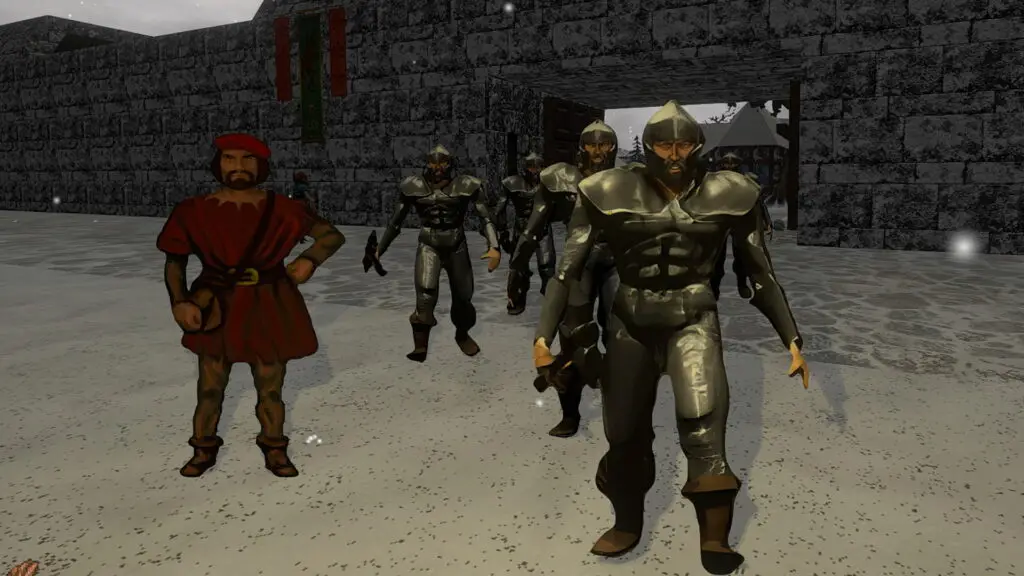
The “time splitting thing” Nesmith refers to is formally known as a Dragon Break, specifically “The Warp in the West” that concluded The Elder Scrolls II: Daggerfall. In the series’ universe, a Dragon Break occurs when Akatosh, the god of time, loses his grip on linear reality, causing a temporal anomaly. From a technical and writing perspective, this was a brilliant “narrative patch” used by Bethesda to reconcile the multiple, conflicting endings of Daggerfall into a single, cohesive canon for later PC games.
The conclusion of Daggerfall was complex, centering on which faction gained control of the Numidium—a massive brass golem. Rather than alienating players by choosing one “true” ending for Morrowind and Oblivion, Bethesda declared that every ending happened simultaneously. This paradoxical event allowed the timeline to fracture and then “heal” back into a single thread where all outcomes were true, however contradictory they seemed.
| Faction | Outcome During the Warp |
|---|---|
| The Empire | Restored order and unified the Iliac Bay provinces. |
| Sentinel/Wayrest/Daggerfall | The local kingdoms consolidated power and defeated rivals. |
| The Underking | Reclaimed his lost heart and finally found eternal rest. |
| Gortwog (Orcs) | Orsinium gained recognition as a legitimate province. |
| Mannimarco | The King of Worms ascended to godhood as the Necromancer’s Moon. |
As documented in the in-game text “Where Were You When The Dragon Broke?”, the event was described as a moment where humans “were fighting wars with phantoms and giving birth to your own fathers.” While this lore provides deep flavor for the gaming community, Nesmith views it as a “lore issue” that left too many loose ends. He suggests that leaving these possibilities unresolved created narrative debt that the series is still managing today.
Technical Evolution vs. Narrative Legacy
Nesmith’s critique extends beyond the writing to the technical accessibility of these games. He famously noted that modern players might “cringe” at the mechanics of Morrowind today. However, here at Digital Tech Explorer, we see a different story. The developer community has kept these classics alive through projects like OpenMW, which modernize the engine for 4K resolution and hardware compatibility, proving that great storytelling can overcome dated tech.
The Future: Daedric Realms and the Sci-Fi Boundary
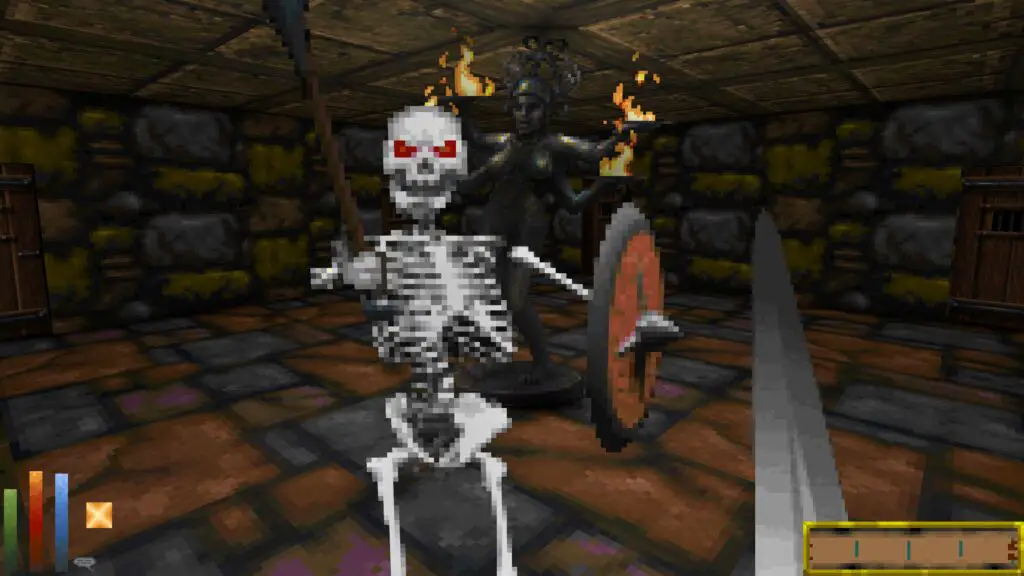
Looking forward, Nesmith advocates for a deeper dive into the Daedric Lords and their otherworldly realms. He believes this mystical focus is the core identity of the franchise. While some RPGs successfully blend blockchain tech or sci-fi elements (like the Might and Magic series), Nesmith warns that mixing science fiction and fantasy is a “dangerous” move. He argues that fantasy fans generally want to stay within the realm of magic and demons rather than venturing into space with ray guns.
As TechTalesLeo, I find it fascinating that the very mechanic created to save the series’ continuity is what one of its lead architects regrets most. Whether you view the Dragon Break as a brilliant piece of meta-fiction or a messy lore oversight, it remains one of the most discussed events in digital storytelling. As we look toward the next chapter of The Elder Scrolls, it is clear that the tension between resolving the past and exploring the infinite possibilities of the Daedric planes will continue to shape the series.
Stay tuned to Digital Tech Explorer for more in-depth analyses of game design, development trends, and the technology shaping the future of interactive entertainment.