
In the rapidly evolving world of digital innovation, achieving a massive success can be a double-edged sword for developers. Here at Digital Tech Explorer, we often see how high-profile releases set a benchmark that becomes increasingly difficult to surpass. When a studio creates a masterpiece that defines a generation, they aren’t just competing with other developers anymore—they are competing with the nostalgia and heightened anticipation of their own fanbase. This is the “blursed” reality of modern gaming development.
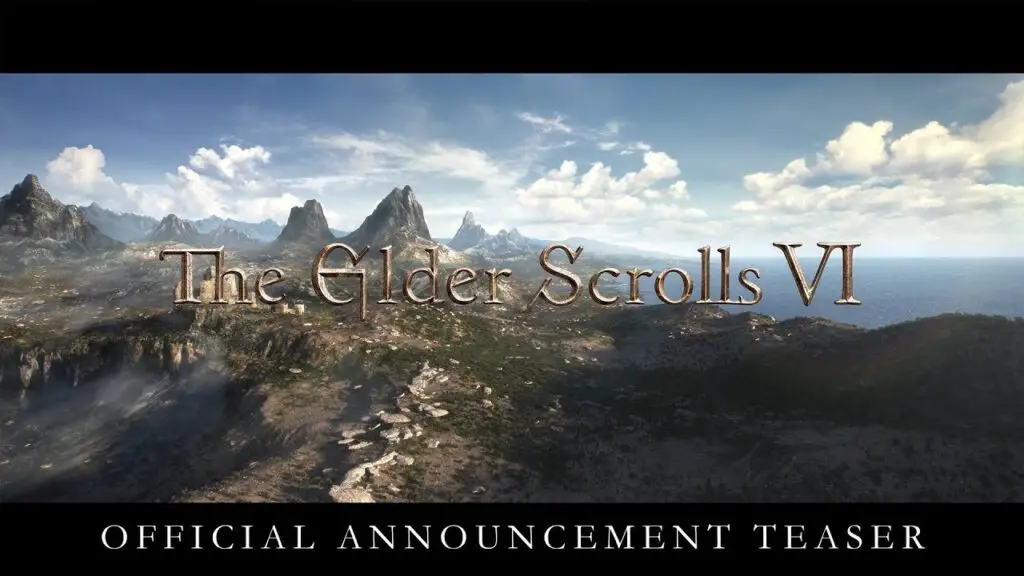
For Bethesda, this pressure is reaching a fever pitch. It has been nearly eight years since the 2018 E3 announcement of The Elder Scrolls 6, and yet, official details remain scarce. As a storyteller in the tech space, I’ve observed how this vacuum of information is often filled by runaway expectations, making the eventual launch a high-stakes gamble for the studio.
Navigating the “Game of Expectations”
Bruce Nesmith, the former lead designer of Skyrim, recently shed light on this phenomenon. He describes it as the “game of expectations,” a cycle where previous triumphs dictate the perceived quality of future projects. In a recent discussion with PressBoxPR, Nesmith noted that Bethesda is in a difficult spot where the bar has been set so high that meeting it may be mathematically impossible for any piece of software.
To understand the trajectory of these expectations, let’s look at the release timeline of Bethesda’s pillar franchises and how the anticipation has shifted over the decades:
| Game Title | Release Year | Key Impact on Industry | Expectation Level |
|---|---|---|---|
| The Elder Scrolls III: Morrowind | 2002 | Defined open-world RPG depth. | Moderate |
| The Elder Scrolls IV: Oblivion | 2006 | Pioneered high-fidelity RPG visuals on consoles. | High |
| The Elder Scrolls V: Skyrim | 2011 | Became a global cultural phenomenon. | Very High |
| Starfield | 2023 | First new IP in 25 years; space exploration focus. | Extreme |
| The Elder Scrolls VI | TBA | The long-awaited sequel to a decade-old legend. | Unprecedented |
The Starfield Case Study
Nesmith points to Starfield as a prime example of how branding influences reception. He suggests that if an indie or mid-tier studio had released Starfield, it would likely have been hailed as a revolutionary achievement. However, because it bore the Bethesda logo, it was scrutinized under a microscope shaped by Skyrim and Fallout.
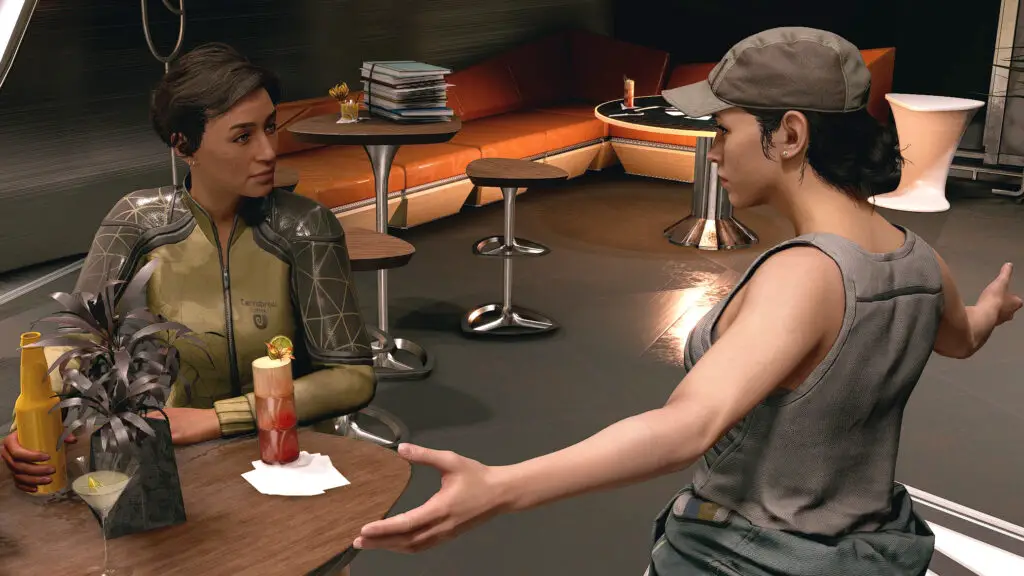
At Digital Tech Explorer, we believe in transparency and thorough research. While Starfield is technically impressive, the “Bethesda formula” comes with a reputation for world-building that fans felt was diluted by the procedural nature of space exploration. It wasn’t necessarily a “bad” game, but it struggled to reconcile its new identity with the legacy of its predecessors.
Can The Elder Scrolls 6 Bridge the Gap?
Despite the hurdles, Nesmith remains optimistic about the future of The Elder Scrolls 6. He argues that Bethesda has a proven track record of exceeding high stakes. Skyrim managed to surpass the massive hype left by Oblivion, and Fallout 4 was a commercial juggernaut following Fallout 3.
The challenge for 2024 and beyond is whether the studio can adapt to modern hardware capabilities and evolving player needs. With the rise of AI acceleration and more complex engine requirements, the technical demands are just as steep as the emotional ones.
For those of us tracking PC games and emerging digital trends, the development of The Elder Scrolls 6 isn’t just about a single game—it’s a story about how a legendary developer handles the weight of its own history. Whether they can once again exceed the “game of expectations” remains to be seen, but they certainly have their work cut out for them.
Stay tuned to Digital Tech Explorer for more in-depth analyses of 2024 releases and future tech narratives from TechTalesLeo.