

In a landscape where silicon giants constantly clash for dominance, AMD has scripted a particularly compelling chapter. The company recently unveiled its stellar financial results for Q4 2025, revealing that its Ryzen desktop and mobile CPUs have reached a fever pitch in market demand. This surge isn’t just about numbers on a spreadsheet; it represents a significant shift in consumer trust and a testament to the engineering prowess we’ve been tracking closely here at Digital Tech Explorer.
The Narrative of Ryzen’s Remarkable Growth
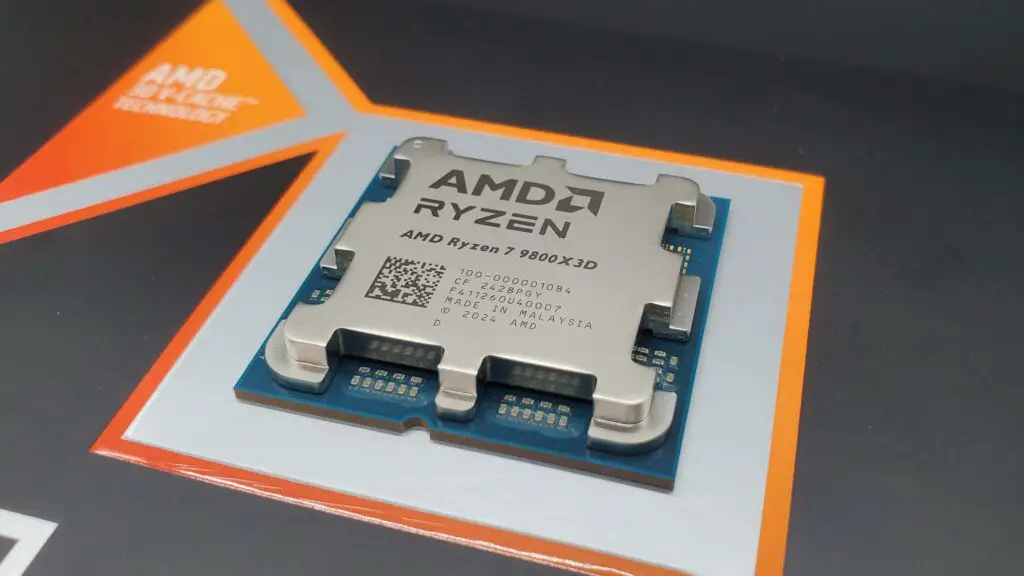
AMD CEO Dr. Lisa Su highlighted a “PC processor business [that] performed exceptionally well,” with revenue skyrocketing by 34% year-over-year to a record-breaking $3.1 billion. As a storyteller in the tech space, I find the “why” behind these figures fascinating. This growth was propelled by a multi-generational demand for Ryzen hardware. From budget-conscious builders to high-end enthusiasts, the Ryzen brand consistently topped global best-seller lists throughout the holiday season, securing its spot as a household name in computing.
| Metric | Q4 2025 Result | Year-Over-Year Growth |
|---|---|---|
| Total PC Processor Revenue | $3.1 Billion | 34% Increase |
| Commercial Sector Sales | Significant Expansion | 40% Increase |
| Market Leadership | Desktop Gaming | Top Seller Status |
Solidifying the Desktop Throne
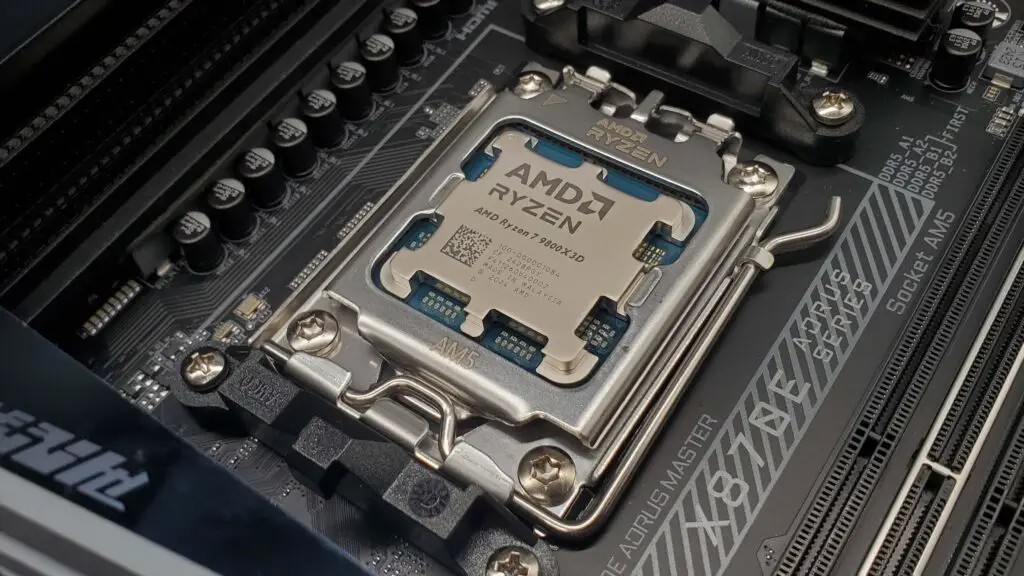
At Digital Tech Explorer, our gaming and hardware benchmarks reflect a clear trend: AMD currently holds the crown. The current desktop lineup occupies the top spots in our performance ratings, spanning both current and previous-generation chips. This dominance is partly due to a perceived “fumble” by competitors; specifically, Intel’s Arrow Lake desktop chips have struggled to capture the same momentum, leaving the door wide open for Ryzen’s 3D V-Cache technology to win over the enthusiast community.
The success isn’t limited to home offices and gaming dens. AMD reported a 40% year-over-year surge in the commercial sector. Large-scale deployments in aerospace, financial services, and telecom prove that the industry is leaning toward AMD’s processors for reliability and energy efficiency. For a seasoned engineer, seeing this level of commercial adoption is the ultimate verification of a product’s stability.
The Mobile Front: AI and Integrated Graphics
While the desktop market feels settled, the mobile arena remains a fierce battleground of AI acceleration and power efficiency. AMD’s new Ryzen AI 400 mobile processors are designed to streamline multitasking and content creation, directly challenging Intel’s Core Ultra Series 3 (Panther Lake) chips.
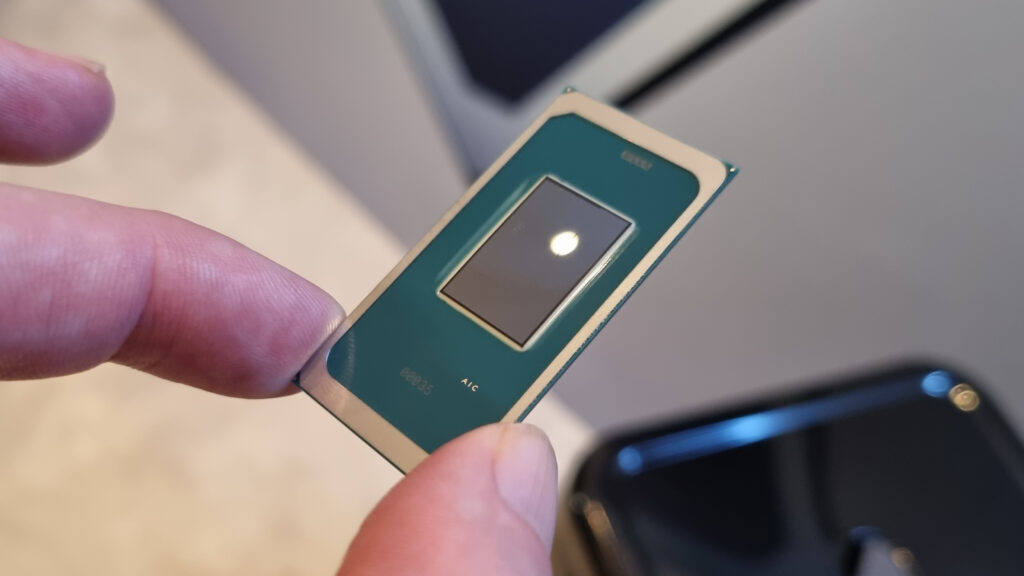
Our analysis suggests that while AMD’s “Strix Point” updates offer great value, Intel still maintains a significant market share in the notebook sector. However, the holiday surge for Ryzen-powered laptops might just be the catalyst AMD needs to chip away at that 78% dominance previously held by its rival. For users, this competition is a win-win, driving faster innovation in AI integrated workflows and mobile GPU performance.
Looking Toward the Horizon: Nova Lake and Beyond
The story of 2025 is a triumphant one for AMD, but the tech world never stands still. The upcoming launch of Intel’s Nova Lake desktop chips later this year promises to be a pivotal moment. Will these new processors be enough to disrupt AMD’s current winning streak? At Digital Tech Explorer, we’ll be here with real-world testing and transparent reviews to help you navigate these choices. As TechTalesLeo, I look forward to seeing how these innovations enhance our daily digital lives and push the boundaries of what’s possible in personal computing.
Disclaimer: All content on Digital Tech Explorer is for informational and entertainment purposes only. This article contains affiliate links; we may earn a commission on purchases made through these links at no extra cost to you.