
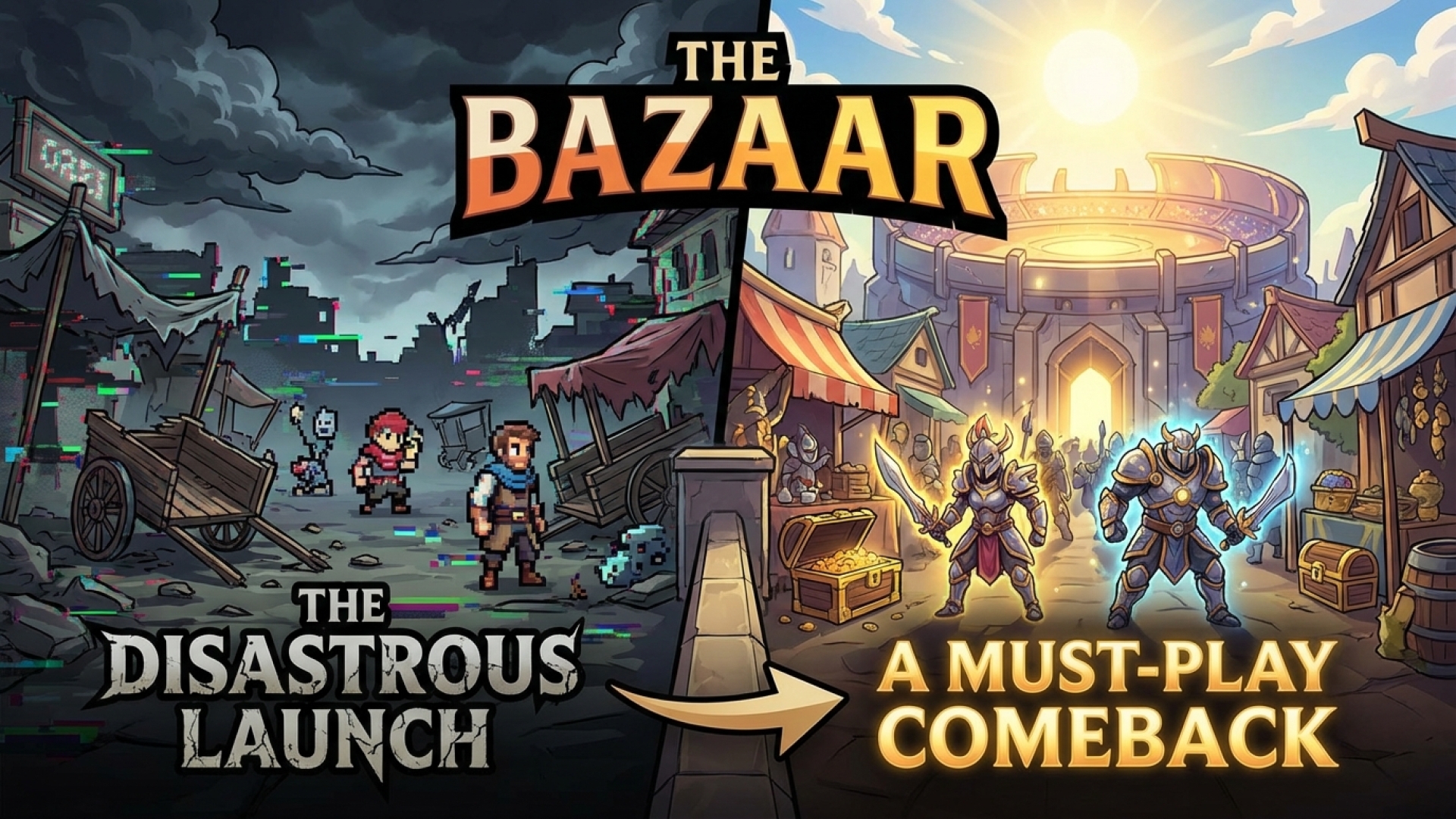
What defines the most notorious PC launch of the recent era? We’ve seen plenty of contenders—ranging from the performance struggles of Monster Hunter Wilds to the confusing debut of MindsEye. However, here at Digital Tech Explorer, I’m nominating a different candidate for the most complex redemption arc in gaming. The Bazaar is a vibrant, strategic auto-battler that managed to alienate its community almost instantly upon its March release last year. Despite a promising beta, the initial launch was bogged down by aggressive monetization and microtransactions that overshadowed its mechanical brilliance.
As a storyteller who follows digital innovation closely, I find myself in a peculiar position. Despite that rocky start, the game is fundamentally excellent. After spending significant time analyzing its evolution, I believe it has finally reached the potential we look for in high-quality software titles. If you’re a fan of deep strategy and elegant coding scripts turned into gameplay, this is why you should give it another look.
Understanding The Bazaar: A Galactic Marketplace Auto-Battler
The core of The Bazaar is set within a sprawling galactic marketplace. Unlike traditional card games, the gameplay loop focuses on shop management and board optimization. You select a hero and navigate various stalls to purchase items for your board. For example, a visit to the weapon shop might present a choice between a high-speed Katana or a heavy-hitting Cutlass that deals double critical damage. For the tacticians among us, you might find a Sharkray—an item that scales its damage every time you apply a “haste” buff to your board.
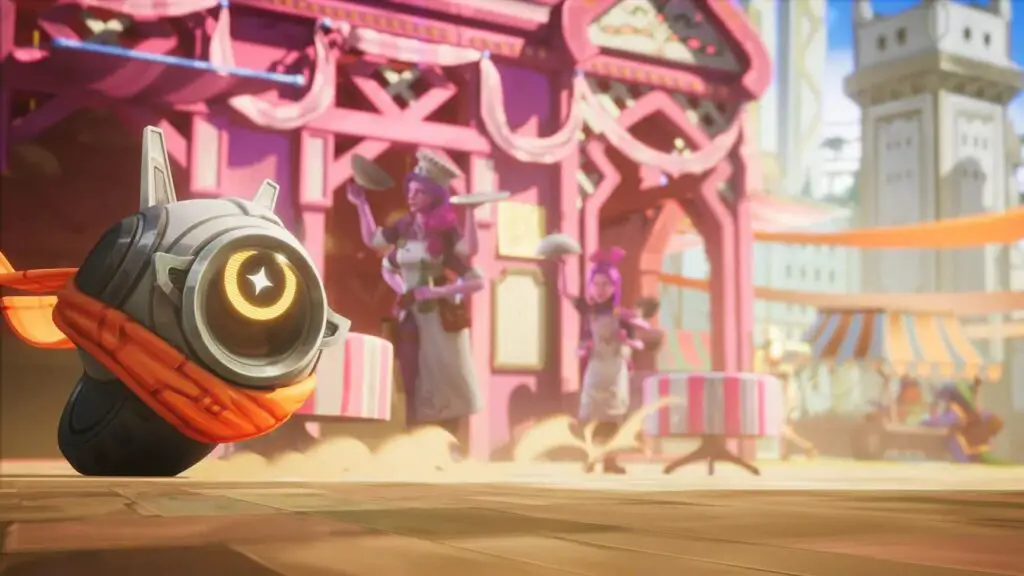
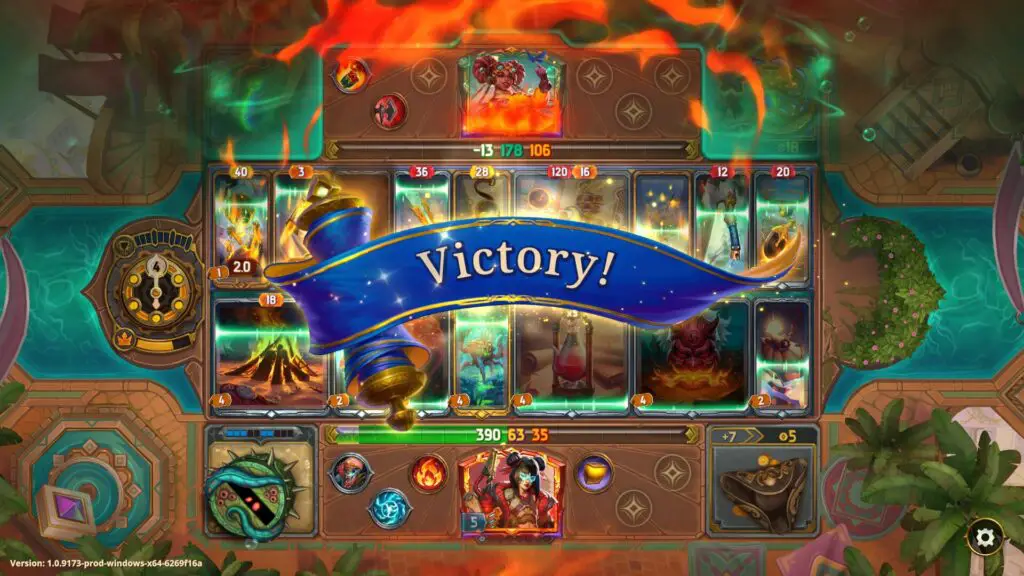
At the conclusion of each “day,” your board automatically battles another player’s creation. The winner is determined by the synergy and raw power of the assembled items. Success or failure leads into a new day, offering fresh opportunities to refine your build, pivot your strategy, or double down on a specific archetype based on the items the algorithm provides.
Unlocking Complex Synergies and Build Diversity
The true “tech” behind the game lies in its item variety. While most shops limit you to your hero’s specific pool, the combinations are vast. You might opt for an Ammo Build, designed for high-burst damage before resources deplete. Alternatively, a Poison Build offers a slower, inevitable victory by bypassing shields. More advanced players often look for “Friends”—a synergy of robotic and aquatic creatures that buff each other into the late game.
As the run progresses, you gain access to passive skills and enchantments that add layers to your items. While a “meta” inevitably forms with each patch, the most rewarding experience is the “random hero” run. There is a specific satisfaction in finding that one item that bridges two disparate systems on your board, turning a failing run into a powerhouse.
Case Study: An Experimental Endgame Build
To illustrate the depth of PC games like this, let’s analyze a “Day 15” board. At this stage, opponents are usually optimized to a god-tier level. Below is a breakdown of a high-synergy build utilizing cross-hero items to create an infinite trigger loop.
| Item Name | Function & Role | Key Synergy |
|---|---|---|
| Port | Reloads and charges ammo items. | The engine that keeps the ammo-heavy board from stalling. |
| Nesting Doll | Generates a small shield every two seconds. | Used as a high-speed “trigger” rather than for actual defense. |
| Ballista | Main damage dealer with a 9-second cooldown. | Gains multicast from Nesting Doll; provides lifesteal via “Quality over Quantity.” |
| Fiber Optics | Cross-hero passive: charges rightmost item when leftmost triggers. | Creates a feedback loop between the Port and the Clock. |
| Atomic Clock | Increases enemy cooldowns every second. | Keeps the opponent from attacking while the Ballista scales. |
This level of experimentation is exactly what we advocate for at Digital Tech Explorer. It rewards a developer-like mindset—testing variables, finding loops, and optimizing performance. When these systems click, the game transitions from a simple auto-battler to a complex optimization puzzle.
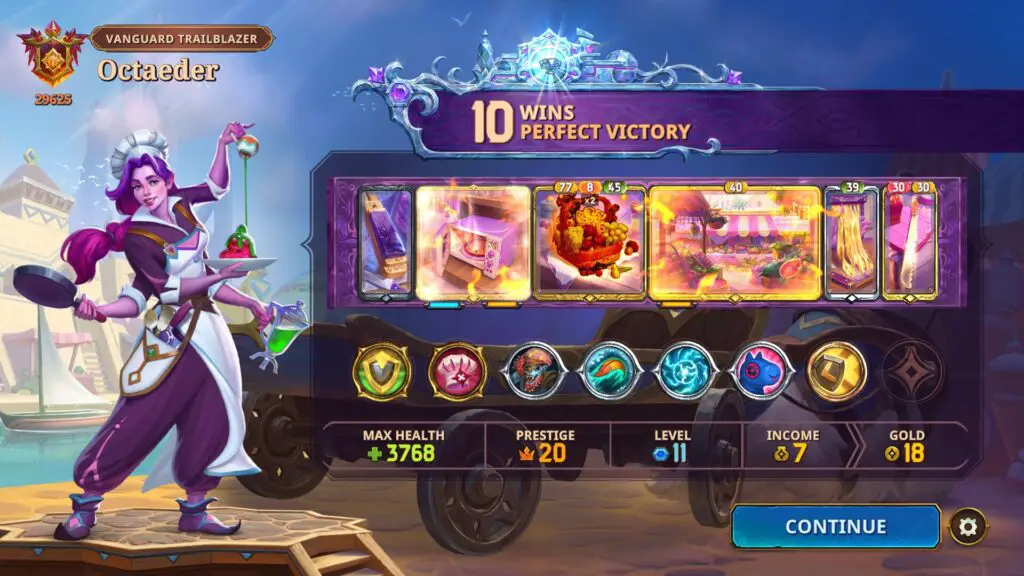
The Redemption of Tempo’s Vision
Beyond the mechanics, The Bazaar is visually and auditorily “slick.” Its animations and art direction provide a premium feel that many competitors in the genre lack. It is a testament to the technical skill of the team at Tempo, even if the initial business model was flawed.
The developer has spent the last year repairing the damage. They have adjusted the monetization, introduced ranked matchmaking, and expanded the roster of heroes. The “ghosts” of high-level players still haunt the rankings, but the onramp for new players is significantly smoother now. While you will still encounter the occasional “hard counter” to your build, the current state of the game finally aligns with the original vision presented during its beta.
If you were one of the many who walked away during the launch controversy, or if you simply missed it during the noise of last year’s releases, I recommend a revisit. The Bazaar has transformed from a cautionary tale of bad press into a shining example of how digital products can evolve and improve through community feedback and dedicated development.