

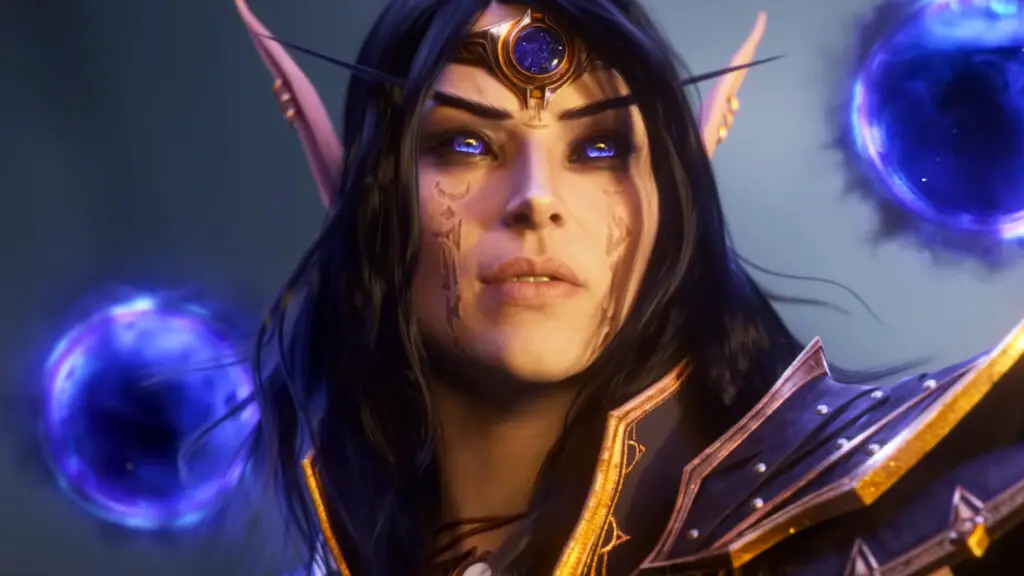
Team Liquid has once again cemented its dominance in the high-stakes world of competitive raiding, claiming their fourth consecutive Race to World First (RWF) championship. This victory comes during the debut season of World of Warcraft: Midnight, where the guild overcame the ultimate challenge on the isle of Quel’Danas. After a grueling two-week marathon, Liquid successfully defeated the Mythic boss L’ura, surmounting a surprise mechanical twist that left the entire gaming community in awe.
A High-Stakes Rivalry: Liquid vs. Echo
As an observer of digital innovation here at Digital Tech Explorer, it is fascinating to see how these elite organizations leverage custom software and real-time data analysis to gain an edge. The battle for the title was a razor-thin margin between Team Liquid and their perennial rivals, Team Echo. While Liquid eventually secured the crown, Echo demonstrated incredible performance, at one point achieving a best-in-world pull of 4.07%.
The intensity peaked as Echo suffered heartbreaking wipes at sub 0.45% and 1.1% health, occurring almost simultaneously with Liquid’s final push. In a post-race interview, Liquid’s leader, Maximum, acknowledged the razor-thin gap: “If I was in that position, I would be gutted… They got better from last year as well, and they easily could have won the race.”
The Final Stand: Race Statistics
To understand the sheer scale of this digital feat, we’ve broken down the final metrics of the two top contenders during the PC games event of the year:
| Metric | Team Liquid (1st) | Team Echo (2nd) |
|---|---|---|
| Total Pulls on L’ura | 473 | 458 |
| Best Pull Percentage | 0% (Kill) | 0.43% |
| Roster Composition | 20 Players | 20 Players |
| Secret Phase Discovery | First to Reach | Second to Reach |
The Software Twist: A Secret Fourth Phase
In what TechTalesLeo describes as a masterstroke of encounter design, L’ura was initially believed to have only three phases. For the majority of the event, teams optimized their strategies and AI-assisted simulations based on this assumption. However, Team Liquid sent shockwaves through the community when they brought L’ura to 0% health, only to witness a secret fourth phase where the boss regenerated 100% of her health.
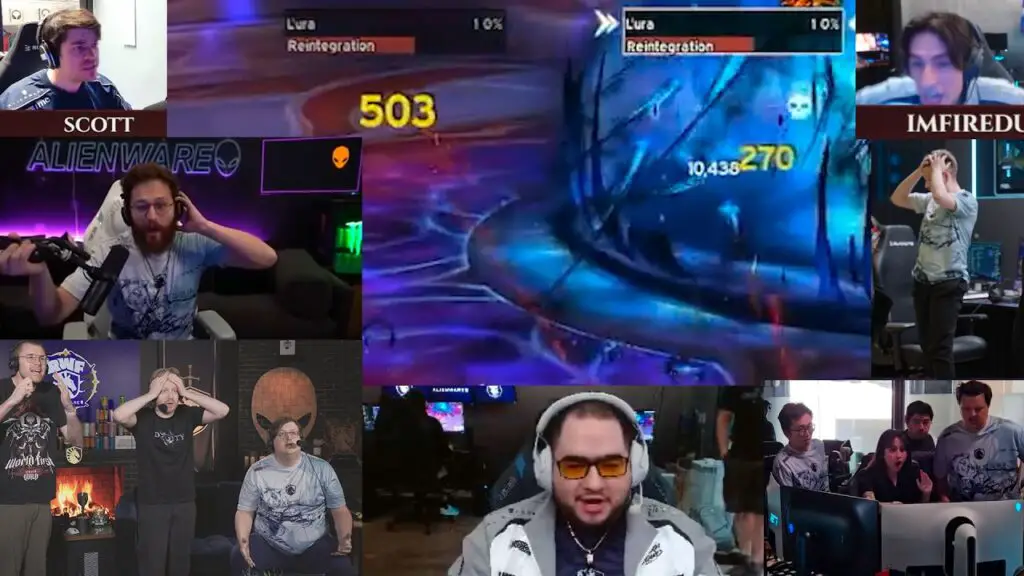
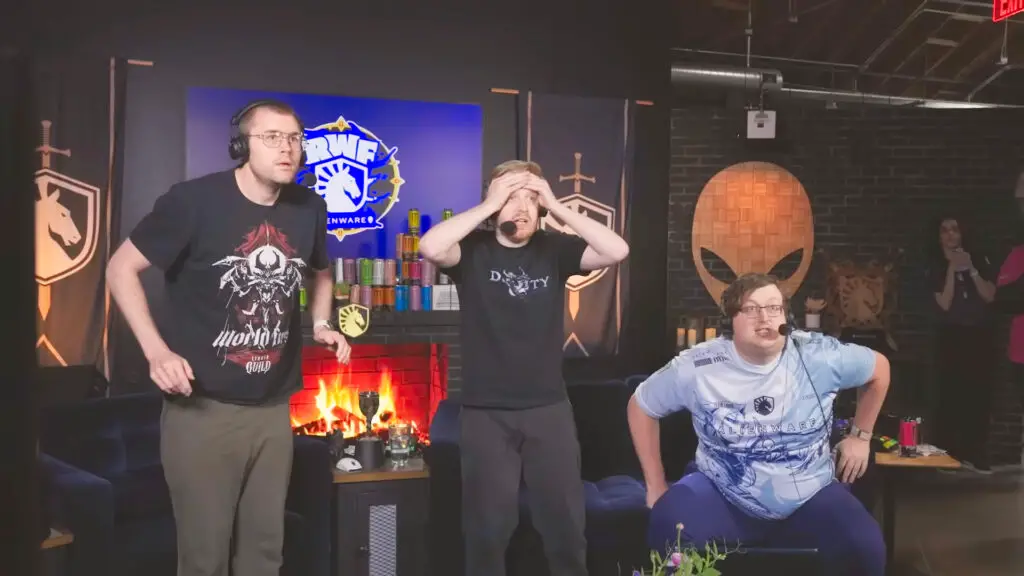
This “L’ura Incident” has already become legendary. Footage from the event captures the raw emotion as raiders jumped from their chairs in celebration, only to be barked back into their seats by their coach. One player’s cry of “This cannot be!” echoed the sentiments of thousands of viewers on Twitch as the boss triggered a new set of complex scripts and mechanics.
Mastering the Void
The final phase forced Liquid to adapt on the fly, contending with relentless waves of “void monstrosities” and a shrinking safe zone. This required not just mechanical skill, but a deep understanding of the game’s underlying logic. In their final successful attempt, Liquid managed to keep all 20 members alive—a monumental feat of coordination in a 3D gaming environment filled with visual clutter and lethal hazards.
With 473 pulls behind them, Team Liquid’s victory in World of Warcraft: Midnight solidifies their legacy. For developers and tech enthusiasts following the RWF, this race serves as a premier example of how top-tier talent and sophisticated digital preparation can overcome even the most unexpected software challenges.

Stay tuned to Digital Tech Explorer for more in-depth analyses of new releases and the technology driving the future of competitive play.