
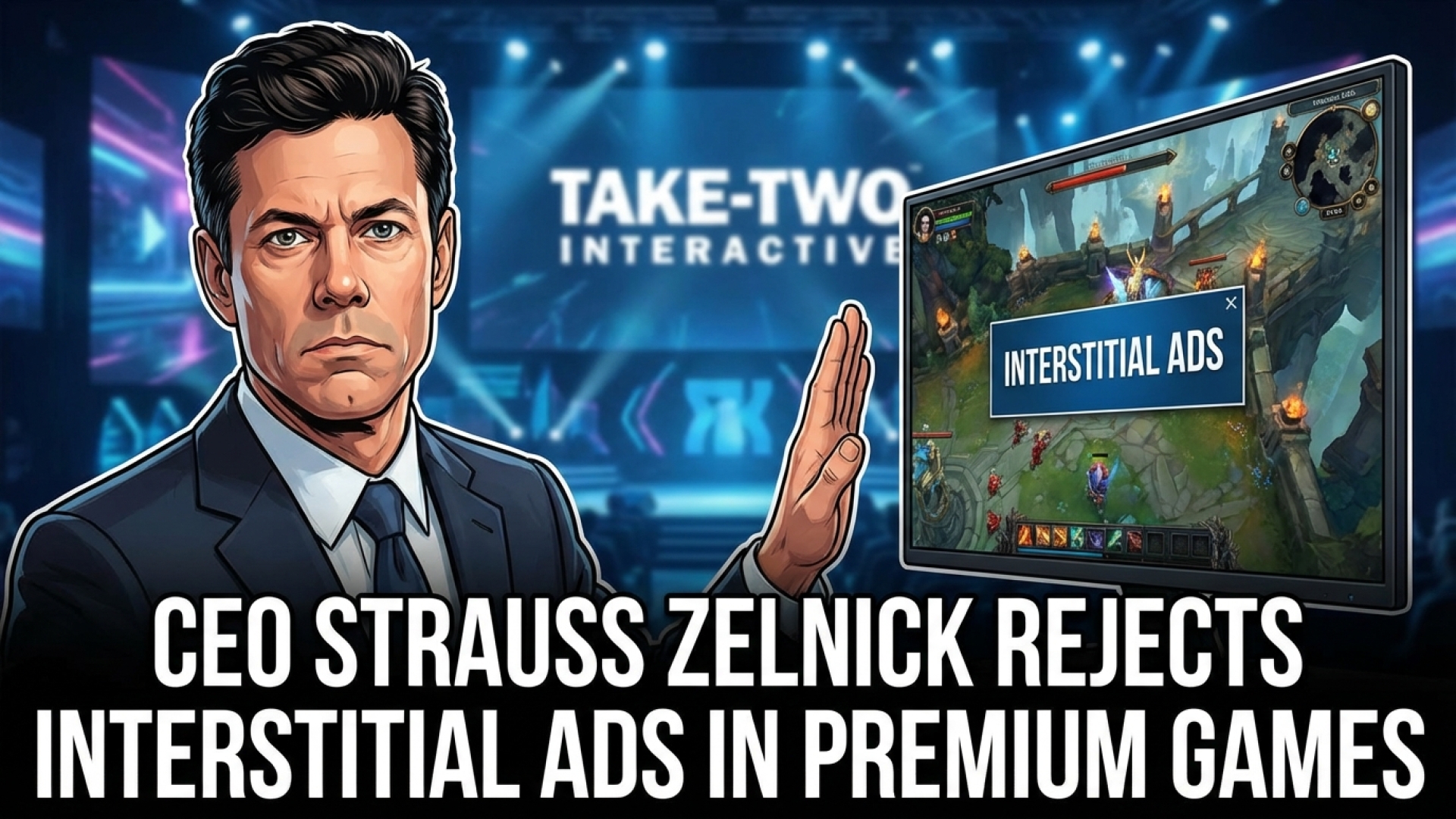
In the rapidly evolving landscape of digital entertainment, the tension between monetization and user experience has never been higher. Strauss Zelnick, the CEO of Take-Two Interactive, has stepped into the spotlight to address a growing concern for many players: the integration of in-game advertising within premium games. While the industry looks for new gaming revenue streams, Zelnick is drawing a firm line in the sand to protect the value proposition of high-end titles.
The Industry Forecast: Why Analysts See Ad Inventory
The conversation surrounding ads in triple-A titles isn’t emerging in a vacuum. Industry analyst Matthew Ball, in his comprehensive “State of Videogaming” reports, has long predicted that in-game advertising is destined to become a staple in PC and console games. From a purely technical and financial standpoint, the “inventory”—the space and time available to show an ad—is staggering.
Ball recently highlighted the sheer scale of engagement in titles like NBA 2K. With over two and a half billion matches played annually, every loading screen and matchmaking lobby represents a massive opportunity for brands like Ford or Marvel to reach a captive, high-value audience. For many publishers, leaving this inventory “empty” is seen as leaving money on the table.
Zelnick’s Stance: Respecting the $70 Price Tag
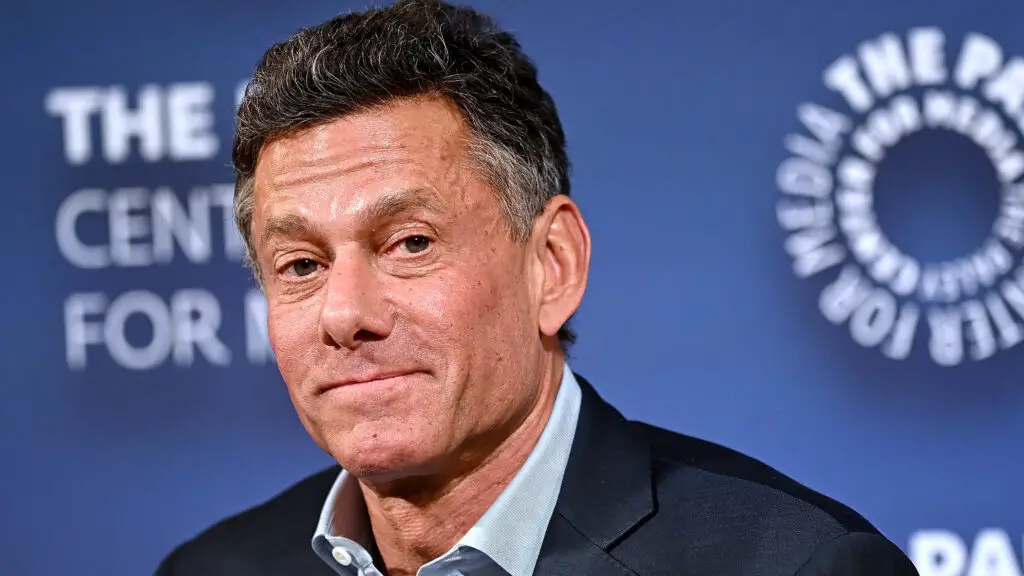
Despite the financial allure, Zelnick maintains that player fairness must come first. In a recent industry dialogue, he made a clear distinction between business models. “For free-to-play titles, yes. For titles for which you’ve paid 70 or 80 bucks? No,” Zelnick stated, addressing the idea of intrusive advertisements.
While contextual ads already exist in games like NBA 2K—think virtual billboards in a digital stadium that mimic real-life sports broadcasts—Zelnick clarifies that these are designed for immersion rather than as primary economic drivers. He believes that forcing “interstitial” or “pop-up” style ads into a premium experience would feel fundamentally unfair to a consumer who has already made a significant financial investment.
Comparing Monetization Strategies
To better understand the current landscape of the 2024 gaming market, here is how different models approach advertising:
| Game Type | Initial Cost | Ad Integration Type | Player Expectation |
|---|---|---|---|
| Free-to-Play | $0 | High (Interstitial, Optional Rewards) | High Tolerance |
| Live Service (Hybrid) | $20 – $40 | Moderate (Battle Passes, Partnerships) | Mixed Tolerance |
| Premium Titles | $70 – $80 | Low (Contextual/Environmental only) | Zero Tolerance for Intrusive Ads |
The Future: Grand Theft Auto 6 and Beyond
Take-Two’s conservative approach to ads in premium games is bolstered by their massive commercial success. With Grand Theft Auto 6 on the horizon, the company expects a level of market penetration rarely seen in the tech world. Zelnick has previously hinted that the title will be a “must-have” for nearly every console owner, potentially rendering the need for supplemental ad revenue moot.
As we look toward the 2025 and 2026 release windows, PC gamers and console enthusiasts alike are keeping a close eye on how Rockstar Games and Take-Two handle these transitions. For now, the message from the top is clear: your $70 purchase buys you a world free from commercial interruptions.
Final Thoughts from Digital Tech Explorer
At Digital Tech Explorer, we believe transparency is key to the relationship between developers and their audience. Zelnick’s stance is a refreshing take in an era where digital innovation often leads to more aggressive monetization. By prioritizing the “premium” feel of high-cost titles, Take-Two is betting on long-term brand loyalty over short-term ad revenue. For more insights into the latest in hardware and software trends, stay tuned to our latest reviews and tech stories.
Author’s Note: As a storyteller in the tech space, I find the intersection of ethics and economics in gaming to be a fascinating narrative. Whether this stance holds as development costs rise remains to be seen. — TechTalesLeo