
The landscape of the Metaverse is shifting once again. At Digital Tech Explorer, we’ve been tracking the evolution of virtual spaces closely, and Meta’s latest move marks a significant pivot in its digital strategy. The company has officially announced the shutdown of the VR version of Meta Horizon Worlds. While the VR social platform has been a cornerstone of their immersive vision, it is scheduled to cease operations on June 15 of this year. For those browsing the Quest store, expect the app to vanish from listings as early as March 31.
Meta Shifts Focus to Mobile for Horizon Worlds
As a storyteller in the tech space, I’ve seen many platforms struggle to balance immersion with accessibility. Meta’s decision, communicated via community forums and their official Discord, indicates a desire to “unbundle” the experiences. Meta stated that separating the VR and Horizon platforms allows each to grow with a more specific focus. Consequently, Meta Horizon Worlds will transform into a mobile-only experience. This strategic realignment suggests that Meta is prioritizing reach and user-base growth over the high-friction entry requirements of virtual reality hardware.
Timeline of Changes for Horizon Worlds
To help our community of developers and enthusiasts stay ahead of these changes, we have summarized the key dates and impacted services below:
| Date | Impacted Service / Change |
|---|---|
| March 31 | Removal from the Meta Quest Store; Closure of Horizon Central and Events Arena. |
| June 14 | Last day for all VR experience features within Horizon Worlds. |
| June 15 | Official shutdown of the VR platform; Transition to Mobile-Only. |
| Post-Shutdown | Removal of Meta Credits and avatar perks from Horizon Plus. |
Impact on VR Users and Subscriptions
For the dedicated VR users who built communities in Horizon Worlds, the sunsetting of key areas like Bobber Bay and Kaiju marks the end of an era. Perhaps more concerning for the power users is the shift in the Meta Horizon Plus subscription model. Core benefits, including Meta Credits, exclusive Digital Clothing, and specific avatars, are being stripped away without immediate word on alternative compensation. For a platform that aimed to define 3D gaming and social interaction, these reductions feel like a step back for the early adopters who invested in the ecosystem.
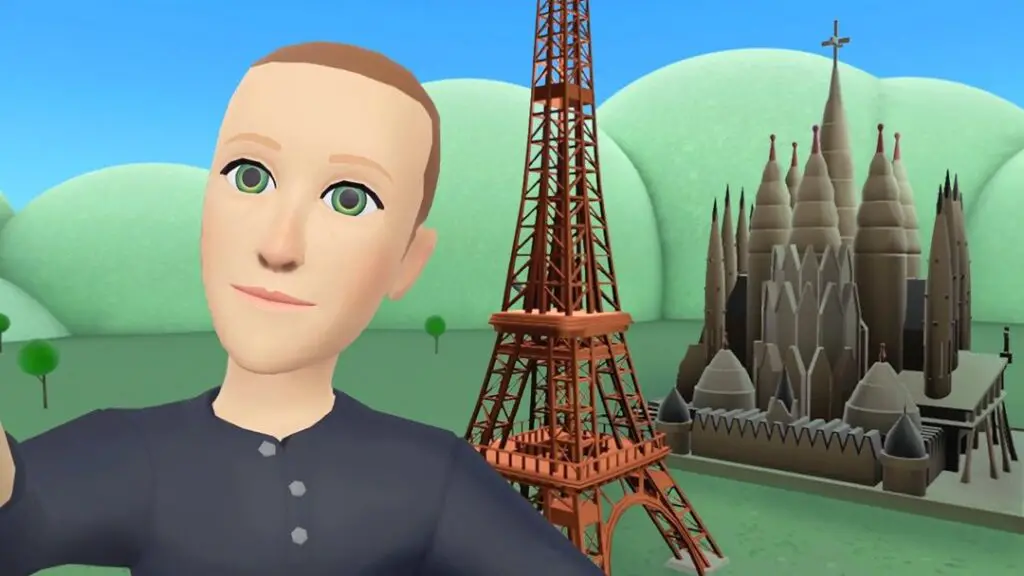
Contradictions in Meta’s VR Strategy
From a software engineering and industry analysis perspective, Meta’s current trajectory appears somewhat fragmented. While their “Renewed Focus in 2026” report claimed they were “doubling down on VR” with a $150 million investment in VR developers, the ground-level reality tells a different story. The closure of three VR studios and significant layoffs within Reality Labs contrast sharply with their public-facing optimism.
Despite the retreat from a dedicated VR app for Horizon, Meta continues to push its AI acceleration and mobile integration. They have reaffirmed that users can still “jump into all your favourite mobile-optimised worlds on the Meta Horizon mobile app” after the June transition. This highlights a broader trend we see at Digital Tech Explorer: the industry is moving toward “platform-agnostic” social spaces that don’t require expensive hardware to access.
The Future: A Mobile-First Metaverse
The pivot to a mobile-only Meta Horizon Worlds is a play for the masses. By removing the VR headset requirement, Meta is lowering the barrier to entry, potentially opening the door to millions of users who previously viewed the Metaverse as an inaccessible gimmick. While this may dilute the “presence” that virtual reality offers, it aligns with current trends in pc games and social media where cross-platform accessibility is king. As we continue to explore these digital frontiers, the question remains: will the community follow Meta to the small screen, or will the magic of Horizon Worlds be lost in translation?