

Back in 2010, Super Meat Boy didn’t just capture my attention; it completely reignited my passion for the high-stakes gaming subgenre of action platformers. I remember sourcing a secondhand Xbox 360 specifically to tackle its punishing levels. In an era where the market was saturated with gritty, cinematic shooters, it served as a vital reminder for developers: massive polygon counts and photorealistic visuals are secondary to the raw, exhilarating precision of perfect mechanics. At Digital Tech Explorer, we often discuss how digital innovation should prioritize user experience, and the original Meat Boy was the gold standard for that philosophy.
Fast forward to the present, and the 2D platforming landscape has evolved significantly. While the 2010 classic remains a masterpiece of design, the franchise has struggled to find its footing in a modern context. After a brief encounter with the autorunner Super Meat Boy Forever—a genre that never quite clicked with my preference for total control—I turned my focus toward Super Meat Boy 3D. As a tech storyteller, I wanted to see if the transition to a new dimension could maintain the “soul” of the machine.

The Technical Evolution: Transitioning to 3D Space
From a mechanical standpoint, Team Meat has successfully translated the core physics that made the predecessor famous. Meat Boy still possesses his iconic jump—a nuanced mechanic where momentum and button duration dictate whether you perform a micro-hop or a massive leap. The technical execution of wall runs and dashes feels remarkably consistent with the 2D source material. He still leaves a grisly trail of blood, and the audio design retains that distinctive squelch upon failure. The objective remains a classic narrative trope: navigate a gauntlet of saws and spikes to rescue Bandage Girl from Dr. Fetus.
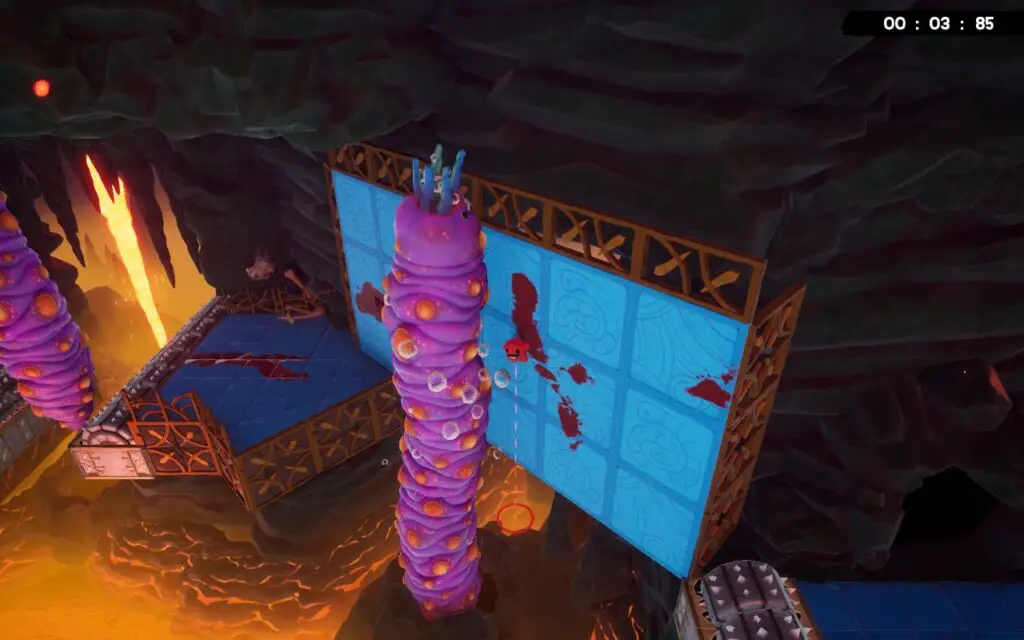
Visual Identity and the “Vibe” Crisis
While the software engineering behind the movement is sound, Super Meat Boy 3D faces a significant identity crisis regarding its art direction. The original title featured a “charming ugliness”—a deliberate blend of 90s cartoon aesthetics and cutting-edge pixel art. It felt like a rogue piece of software, something dangerous you might find on an improperly inserted NES cartridge. It had a gritty, “apocalyptic color” palette that felt cohesive.
In contrast, this 3D iteration feels aesthetically generic. It loses the “scribbly weirdness” that Edmund McMillen originally brought to the franchise. Titles like The End is Nigh or Mewgenics actually feel more like spiritual successors to the Meat Boy legacy than this game does. The environments here could easily be mistaken for a standard 3D platformer, lacking the unique visual punch required to stand out in today’s crowded PC games market.
Level Design: Challenge vs. Cohesion
In the 2010 release, levels were often chaotic but felt anchored in a specific world—a collapsed hellscape with a clear, albeit twisted, vision. In Super Meat Boy 3D, that sense of place feels diluted. While we have the standard “lava world” and “tech world” tropes, the stages often feel like disconnected challenge maps—similar to something you might see in a Garry’s Mod or Quake community mod.
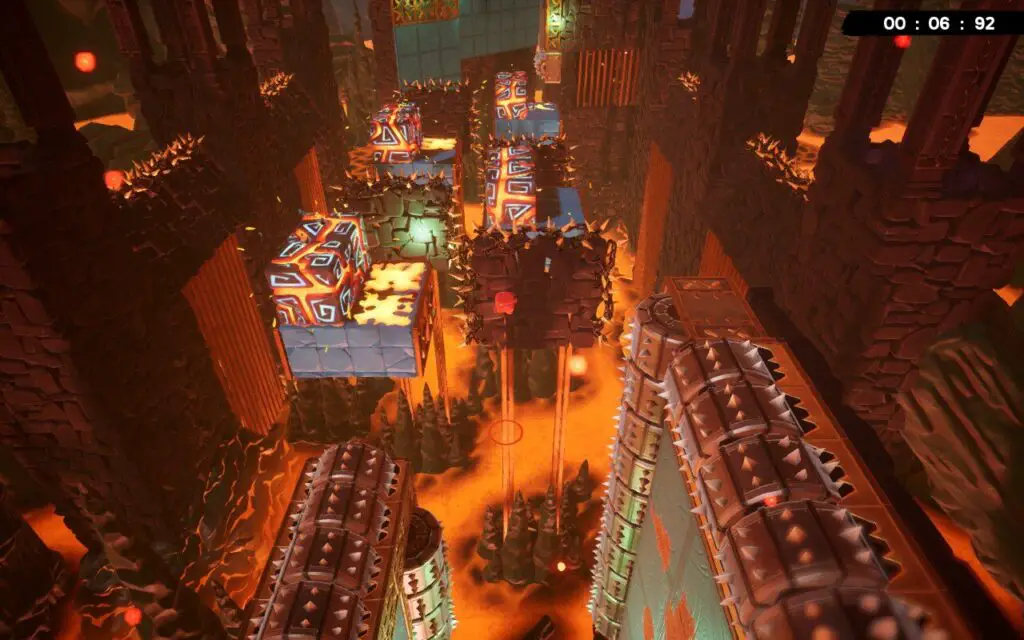
Technically, some color palettes are jarring, creating visual noise that can interfere with the “frame-perfect” decision-making required for a masocore platformer. Precision gaming requires visual clarity, and occasionally, the cluttered 3D assets work against the player.
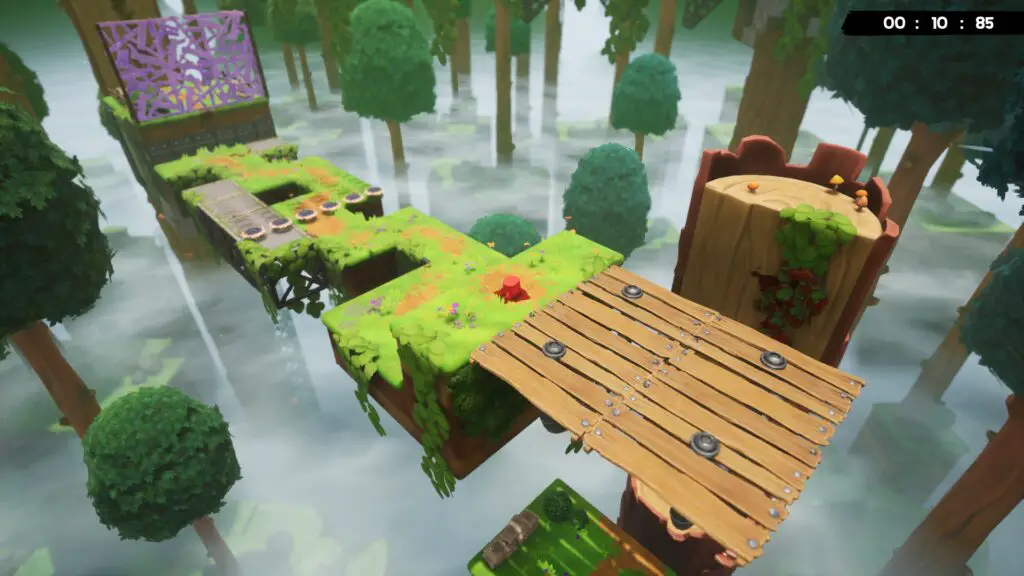
The Modern “Aesthetic-Agnostic” Trend
There is a growing trend in digital media toward a “shiny, brazenly colorful” look, popularized by titles like Fortnite and various Pixar-inspired mobile games. Super Meat Boy 3D unfortunately leans into this “vibe-less” territory. For a niche game designed for hardcore enthusiasts, this pivot to a more sanitized, corporate-friendly art style feels like a missed opportunity to push the boundaries of digital innovation.
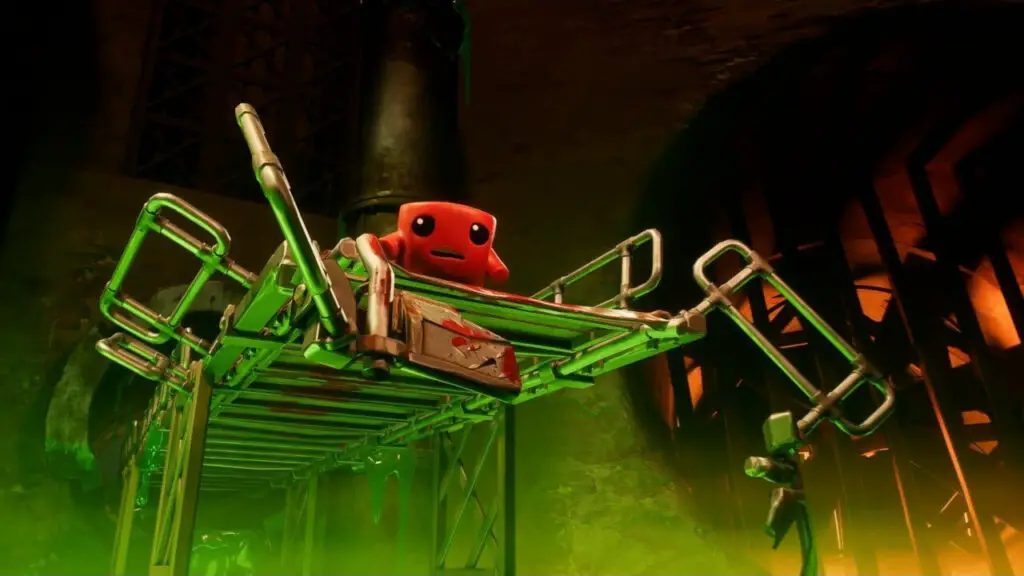
Technical Performance and Gameplay Verdict
Despite my reservations about the art style, the gameplay remains competent. For the completionist platforming enthusiast, there is plenty of content to master. However, I must note a technical quirk: the game defaults to a “45-degree snapping” movement setting. For anyone looking for the true Meat Boy experience, I recommend disabling this immediately to regain full analog control.
| Feature | Rating / Status | TechTalesLeo Note |
|---|---|---|
| Control Precision | 9/10 | Translates 2D momentum perfectly. |
| Visual Identity | 4/10 | Lacks the unique “scribbly” soul. |
| Level Design | 7/10 | Strong challenges, weak world-building. |
| Performance | Stable | Optimized for modern hardware. |
Ultimately, Super Meat Boy 3D is a capable action game that succeeds on a technical level but stumbles on a creative one. It provides the mechanical depth that fans of the series crave, even if it’s wrapped in a package that feels slightly out of touch with its origins. If you value pixel-perfect jumps over aesthetic immersion, this is still a journey worth taking—just don’t expect it to redefine the genre like the original did in 2010.