
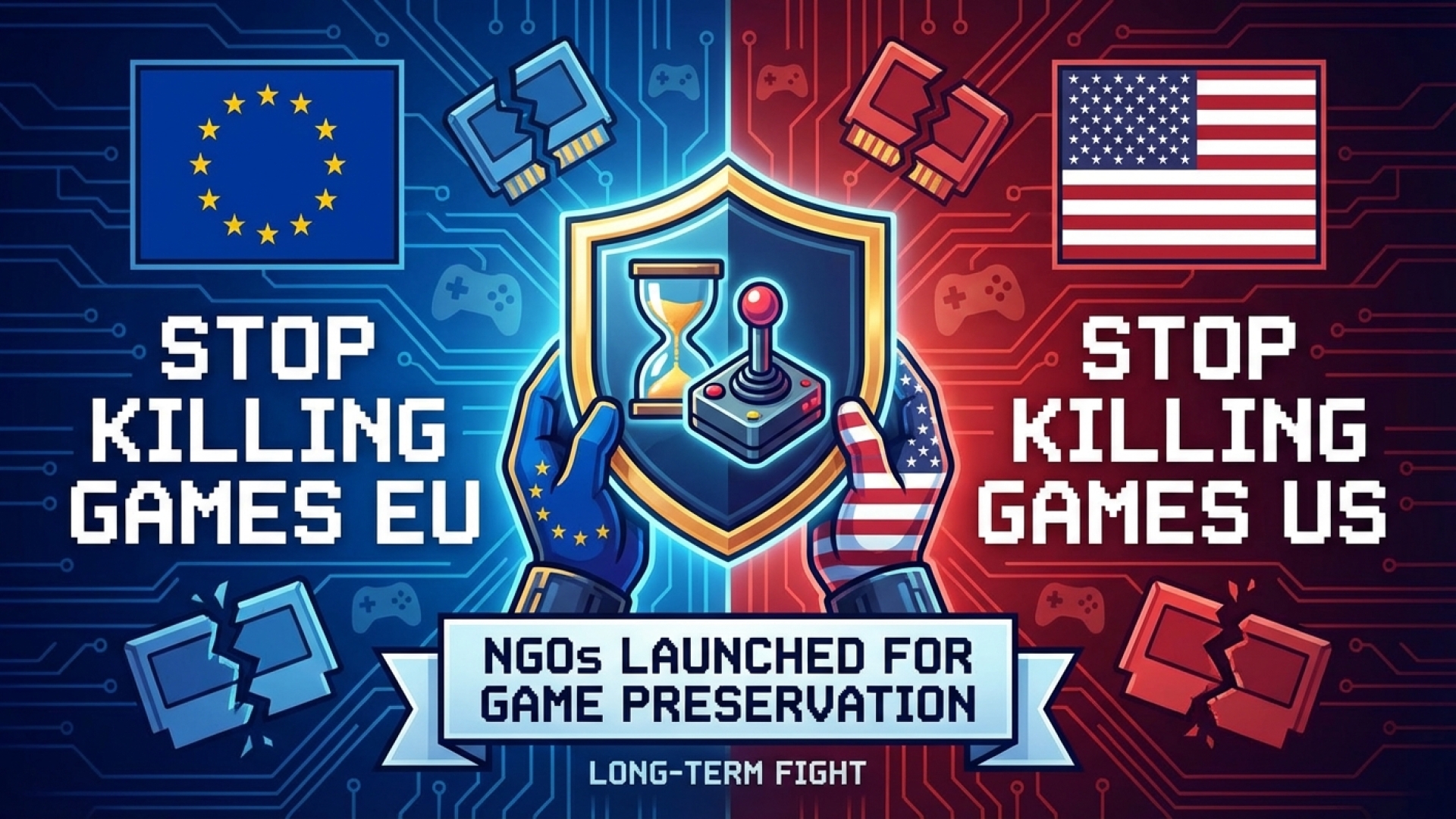
Stop Killing Games Launches NGOs in EU and US to Fight for Digital Game Preservation
At Digital Tech Explorer, we believe that technology should be as enduring as the code that builds it. However, the modern gaming landscape is often at odds with this philosophy. The “Stop Killing Games” movement, spearheaded by YouTuber Ross Scott, has achieved significant milestones since its inception in 2024. Sparked by Ubisoft’s controversial handling of The Crew, this initiative has grown from a public outcry into a structured legal and political force. After a massive push evidenced by 1.3 million petition signatures, the European Union was mandated to consider the group’s demands. While Ubisoft CEO Yves Guillemot noted that “nothing is forever,” the movement’s persistence has forced the company to commit to improving end-of-life support for digital titles.
As a storyteller focused on digital innovation, I’ve watched this narrative evolve from a niche complaint into a global advocacy mission. Recently, Scott announced a major expansion: the launch of two official Non-Governmental Organizations (NGOs), one based in the EU and another in the US, designed to ensure that gaming history isn’t simply deleted when servers go dark.
The Strategic Advantage of NGOs in Gaming Advocacy
An NGO, or Non-Governmental Organization, operates independently of any government to pursue specific social or political goals. For “Stop Killing Games,” establishing these entities offers a crucial advantage for long-term advocacy. Scott highlights that these organizations will enable sustained “counter-lobbying” efforts. This allows the movement to maintain pressure for regulation and legal frameworks, even if initial legislative attempts—such as the Citizens Initiative or inclusion in the Digital Fairness Act—face temporary setbacks.
Furthermore, the formation of NGOs signals to the industry that this movement is a permanent fixture in the tech landscape. Scott remarked, “If there’s a lobbyist showing up again and again at the EU Commission, that might influence things.” This structure also facilitates enhanced “watchdog action,” allowing the NGO to organize systematic reporting on game shutdowns where titles are rendered unplayable, ensuring accountability across the software industry.
Comparing the EU and US Advocacy Goals
To better understand the focus of these new organizations, the following table outlines the primary objectives for the EU and US branches:
| Feature | EU NGO (Stop Killing Games EU) | US NGO (Stop Killing Games US) |
|---|---|---|
| Primary Focus | Legislative integration into the Digital Fairness Act. | Consumer protection and awareness campaigns. |
| Leadership | Moritz Katzner (German political operative). | Advisory board led by Katzner and Scott. |
| Legal Strategy | Direct lobbying at the EU Commission. | Building a foundation for future state-level regulation. |
| Current Status | Active watchdog reporting. | Fundraising and organizational setup. |
Leadership and the Future of the Movement
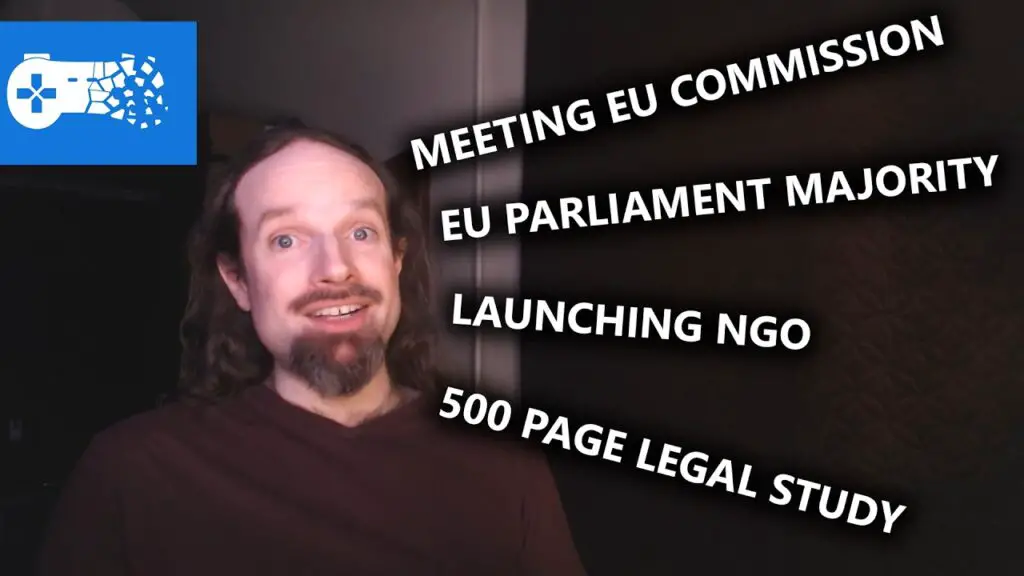
While Ross Scott has been the face of this decade-long fight, he is now preparing for a leadership transition. The EU-based NGO will be headed by Moritz Katzner, a German political operative who has been deeply involved with the movement since 2025. Katzner is also advising the US-based NGO to ensure a unified global strategy. Scott, ever the realist, remains cautious about rapid changes in the US legal landscape but hopes his “cynicism is proven wrong.” He believes that, at the very least, these formal structures will force the industry to recognize the problem of digital obsolescence.
Industry Resistance vs. Long-Term Value
There is significant industry resistance to regulation, particularly regarding predatory monetization and microtransactions, which Scott notes could “literally cost companies billions.” However, he sharply contrasts this with the issue of game preservation. According to Scott, the cost for companies to implement bare-bones end-of-life plans—allowing games to be played offline or via community servers—is “peanuts” compared to what they spend on lobbying against such requirements.
For hardware enthusiasts and gamers alike, the “Stop Killing Games” movement is about more than just entertainment; it’s about consumer rights and the preservation of digital art. Scott argues that by improving development processes to include preservation strategies, companies would actually improve their brand loyalty. “Their customers would like them more,” he notes, suggesting that sustainability is actually a competitive advantage.
Towards a Global Advocacy for Game Preservation
The establishment of the EU and US NGOs is likely only the beginning. Ross Scott has revealed that discussions are underway to create a “global movement,” extending their influence into other major tech markets. Scott views his current role as “handing off a baton” in a relay race, confident that the new leadership and organizational structure will enhance the movement’s ability to tackle game destruction and promote sustainable practices within the tech industry.
About the Author: TechTalesLeo is a storyteller and tech enthusiast dedicated to bridging the gap between complex digital innovation and everyday usability. With a background in digital media, Leo explores the trends that shape our tech-driven world.
Disclaimer: All content on Digital Tech Explorer is for informational and entertainment purposes only. We do not provide financial or legal advice. Some of the links on Digital Tech Explorer are affiliate links. This means we may earn a commission if you click through and make a purchase, at no additional cost to you.