
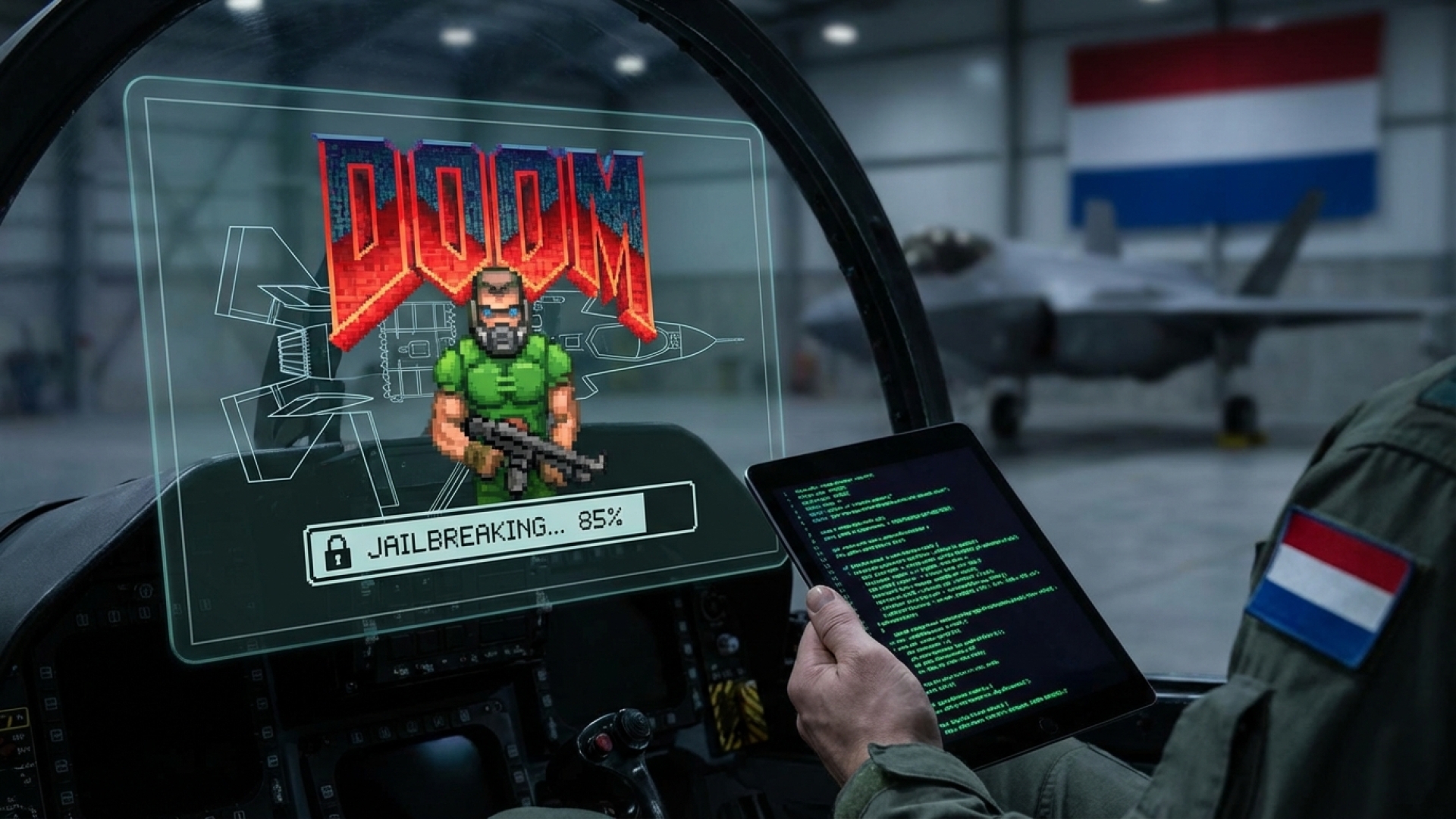
In the evolving landscape of global defense and digital innovation, the intersection of geopolitics and hardware sovereignty is reaching a boiling point. As diplomatic relationships shift, European allies are being forced to reevaluate their deep-seated reliance on American military aid and proprietary tech stacks. At the heart of this tension sits the Lockheed Martin F-35 Lightning II, a multi-role strike fighter utilized by 14 European nations. Until now, the consensus was that these militaries were tethered to American cooperation for every line of code and maintenance update.
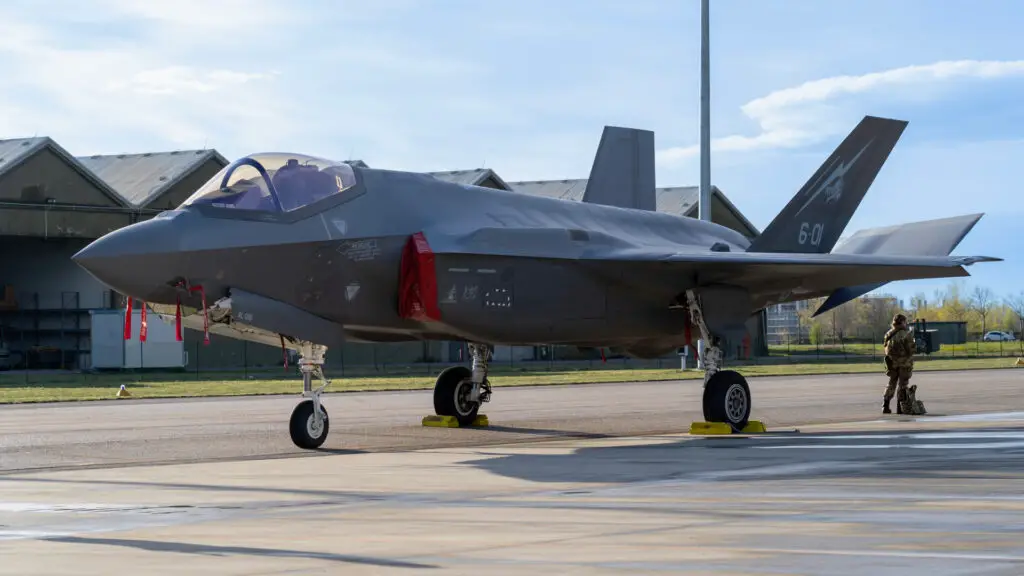
The F-35 “Jailbreak” Claim: Digital Sovereignty in the Cockpit
The narrative of total dependency was recently challenged by Dutch Defense Secretary Gijs Tuinman. In a move that resonates with the ethos of Digital Tech Explorer, Tuinman suggested that the F-35’s software might not be the impenetrable “black box” many assume. Speaking on BNR’s Boekestijn en De Wijk, he claimed that European militaries could potentially implement homebrew solutions if the U.S. ever restricted access.
“The F-35 is truly a shared product. The British manufacture the Rolls-Royce engines, which the Americans also rely on,” Tuinman noted. He then dropped a bombshell for tech enthusiasts: “If you still want to upgrade—and I’m saying something I should probably avoid—you can jailbreak an F-35 just like an iPhone.”
Strategic Implications of Software Modification
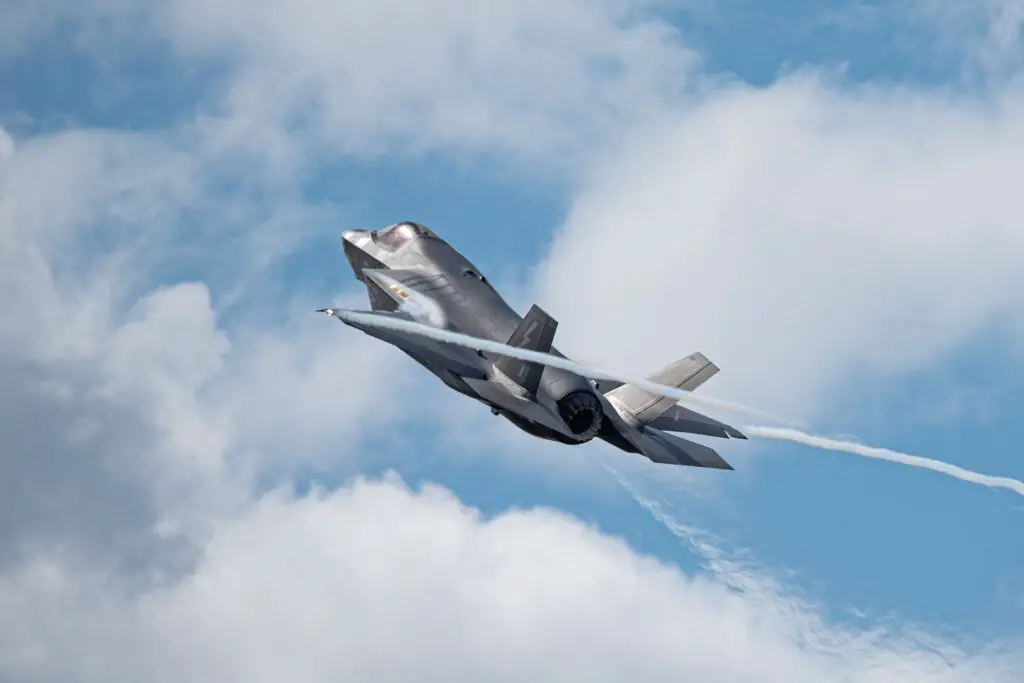
While publicly identifying software vulnerabilities in a trillion-dollar fighter jet program is bold, Tuinman’s comments address a legitimate fear: the “kill switch.” Rumors have long persisted that the U.S. could remotely ground aircraft or disable weapons systems provided to foreign nations. For instance, in 2020, Malaysia’s former Prime Minister Mahathir Mohamad lamented that their F-18s were effectively limited to airshows because the country lacked the authorization to program the hardware themselves.
To understand the scope of a potential “jailbreak,” we must look at the complexity of the F-35 ecosystem compared to consumer tech:
| Feature | Consumer Smartphone (iPhone) | Lockheed Martin F-35 |
|---|---|---|
| Core Architecture | ARM-based SoC | Distributed Avionics / PowerPC G4 |
| Update Mechanism | OTA (Over-the-Air) via Apple Servers | ALIS / ODIN Global Logistics Cloud |
| Primary Goal of Jailbreaking | Unsigned apps / UI customization | Operational independence / Mission planning |
| Risk Factor | Bricked device / Voided warranty | National security breach / Fleet grounding |
The Skeptic’s View: Beyond the Kernel
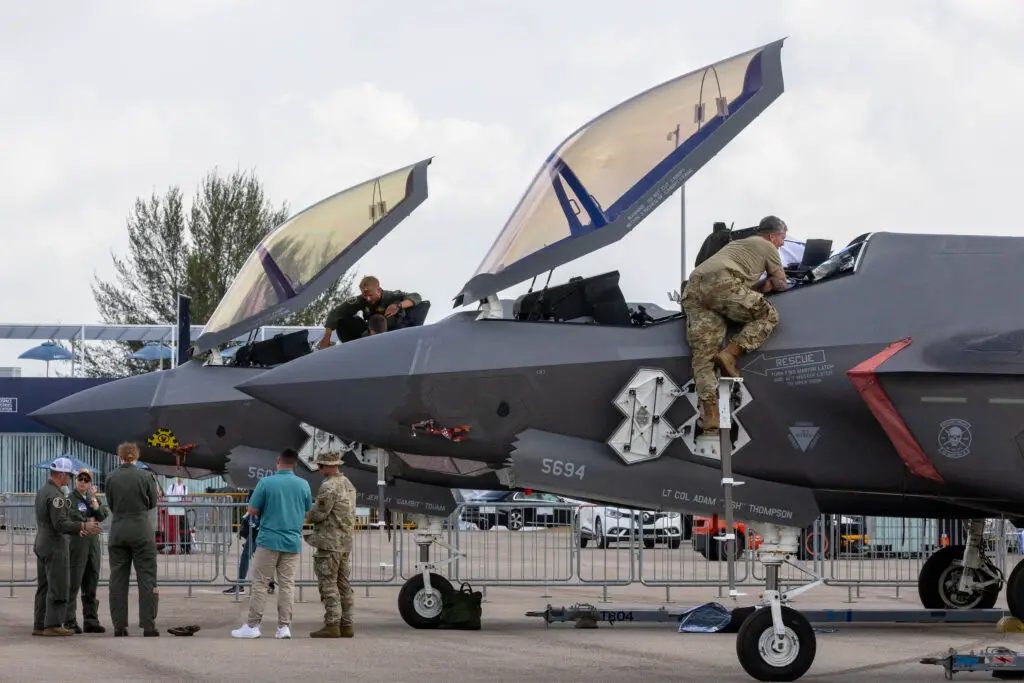
Despite the “jailbreak” analogy, experts at the Aviationist remain skeptical. The F-35 isn’t just a standalone device; it is part of a controlled software supply chain. This includes validation frameworks and the ALIS/ODIN systems (Automated Logistics Information System). Modification at the aircraft-level would mean nothing if the jet cannot communicate with the global maintenance and configuration architecture.
The Ultimate Tech Challenge: Can It Run Doom?
As a storyteller at Digital Tech Explorer, I can’t help but pivot to the classic “hacker” litmus test: If you can jailbreak it, can it run Doom? Surprisingly, the hardware specs suggest it’s more possible than you might think. Deep-dives into avionics records indicate that older F-35 electronics suites utilized Motorola G4 PowerPC microprocessors. These 32-bit CPUs are cousins to the silicon found in legacy G4 Power Macs and iMacs.
While we won’t be leaking classified documents on gaming forums like the War Thunder community, the theoretical possibility is there. If hackers can get Doom to run on a tractor control unit, a PowerPC-based flight computer is simply a more expensive challenge.

Future of F-35 Software Autonomy
We are still a long way from seeing European militaries installing SteamOS and turning their fleets into the world’s most expensive Steam Decks. However, the conversation around “jailbreaking” signals a massive shift in how nations view digital ownership of their defense assets. As AI acceleration and machine learning become more integrated into 4K-resolution cockpit displays, the demand for open, or at least sovereign, software will only grow.
For more insights into the future of digital innovation and hardware reviews, keep exploring with us here at Digital Tech Explorer.