
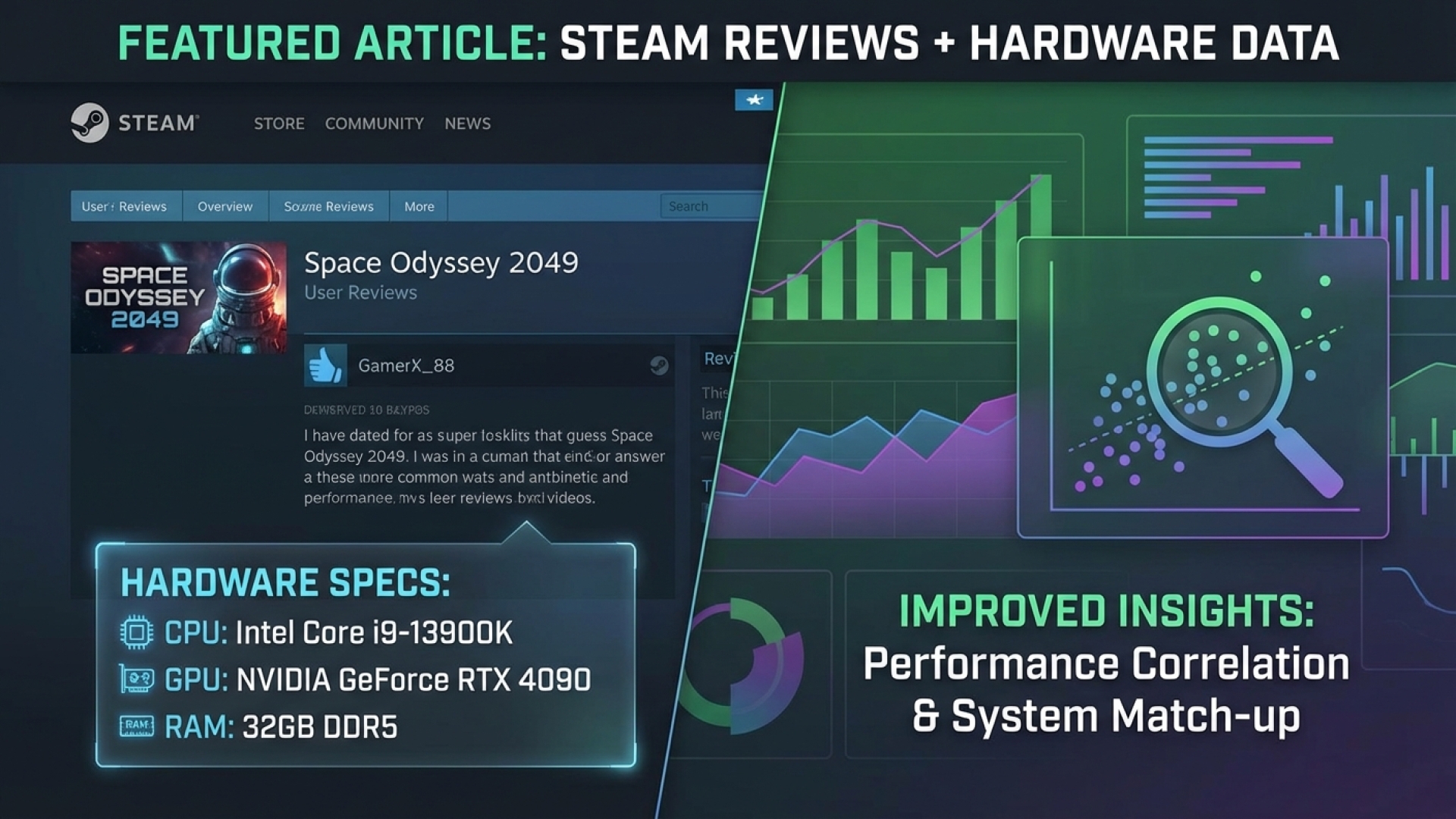
At Digital Tech Explorer, we believe that the most valuable tech insights come from the intersection of raw data and real-world experience. For years, PC gamers have navigated the murky waters of user reviews, often wondering if a game’s performance issues are due to poor optimization or simply an outdated rig. In a move that bridges the gap between complex hardware specs and everyday usability, Valve is finally bringing transparency to the forefront of the Steam ecosystem.

Our resident storyteller, TechTalesLeo, has been tracking the evolution of digital storefronts, and this latest update marks a narrative shift in how we consume performance data. Steam is currently rolling out a significant update to its client beta that integrates system specifications directly into user reviews, allowing for a much clearer picture of how titles perform across different tiers of technology.
Contextualizing Performance: Hardware Specs in Reviews
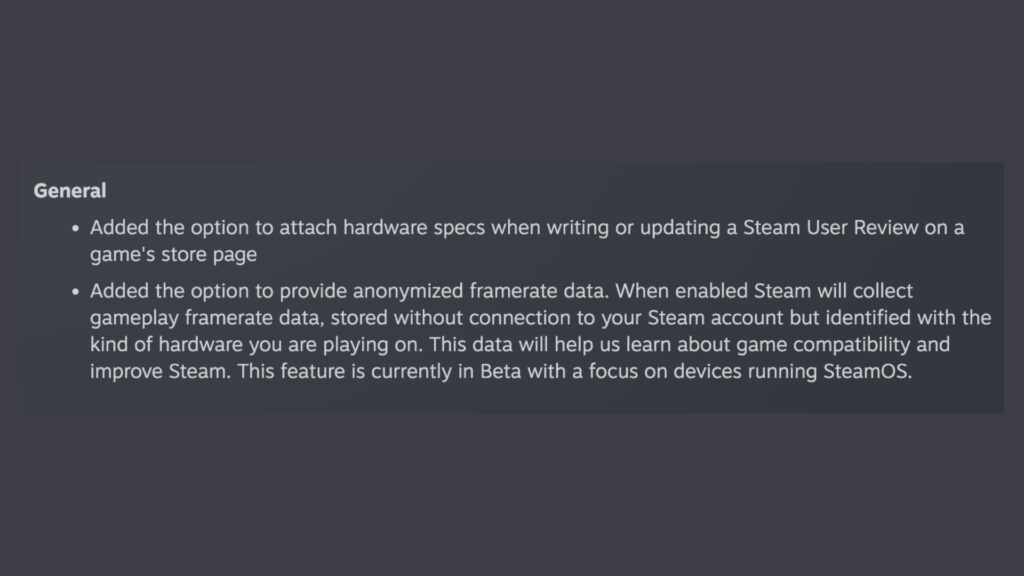
According to the latest Steam client beta patch notes, Valve has introduced an optional toggle to attach hardware specs when writing or updating a review. This means when a user flags a game for stuttering or frame drops, you can instantly see their graphics card (GPU), processor, and RAM capacity.
This level of transparency is a game-changer. Previously, users had to manually type their specs into the text—a process that was often inconsistent or ignored entirely. Now, the data is standardized. If you see a negative review citing poor 4K resolution performance, but the reviewer is running a mid-range GPU from five years ago, you can make a more informed decision about how that game will actually run on your own modern setup.
| Feature | Benefit to the User |
|---|---|
| Hardware Tags | Instantly verify if a reviewer’s system matches your own rig for accurate expectations. |
| Performance Benchmarking | Distinguish between “badly optimized games” and “underpowered hardware.” |
| FPS Data Collection | Contributes to a global dataset to help Valve optimize SteamOS and game compatibility. |
The Rise of Anonymized Frame Rate Data
Beyond the social aspect of reviews, Valve is also leaning into big data to improve gaming stability. The beta introduces “anonymised frame rate data” collection. Users who opt-in allow Steam to gather performance metrics that aren’t tied to their personal accounts. This data is then paired with hardware profiles to help Valve learn about game compatibility and refine the user experience.
This data collection is particularly vital as Valve prepares for the broader rollout of the Steam Machine and continues to iterate on SteamOS. By analyzing how different PC games interact with specific drivers and architectures, Steam can provide developers with the insights needed to push updates that actually matter.
How to Access the Steam Client Beta
If you want to be part of this technological evolution and help contribute to more transparent reviews, joining the beta is a simple process. At Digital Tech Explorer, we often recommend testing these features early to stay ahead of the curve in the 2024 tech landscape.
- Open your Steam client and navigate to ‘Settings’.
- Go to the ‘Interface’ tab.
- Under ‘Client Beta Participation’, select ‘Steam Beta Update’ from the dropdown menu.
- Restart your client when prompted to download the latest features.
Final Thoughts from TechTalesLeo
The integration of hardware specs into Steam reviews isn’t just a technical update; it’s a win for the community. It moves us away from anecdotal complaints and toward a data-driven narrative where every user can be an informed critic. Whether you are a enthusiast tracking AI acceleration or a casual gamer just trying to play Minecraft on a budget laptop, these tools ensure your next purchase is the right one.
Disclaimer: All content on Digital Tech Explorer is for informational and entertainment purposes only. We do not provide financial or legal advice.
Affiliate Disclosure: Some of the links on Digital Tech Explorer are affiliate links. This means we may earn a commission if you click through and make a purchase, at no additional cost to you. Our recommendations are based on thorough research and personal experience.