
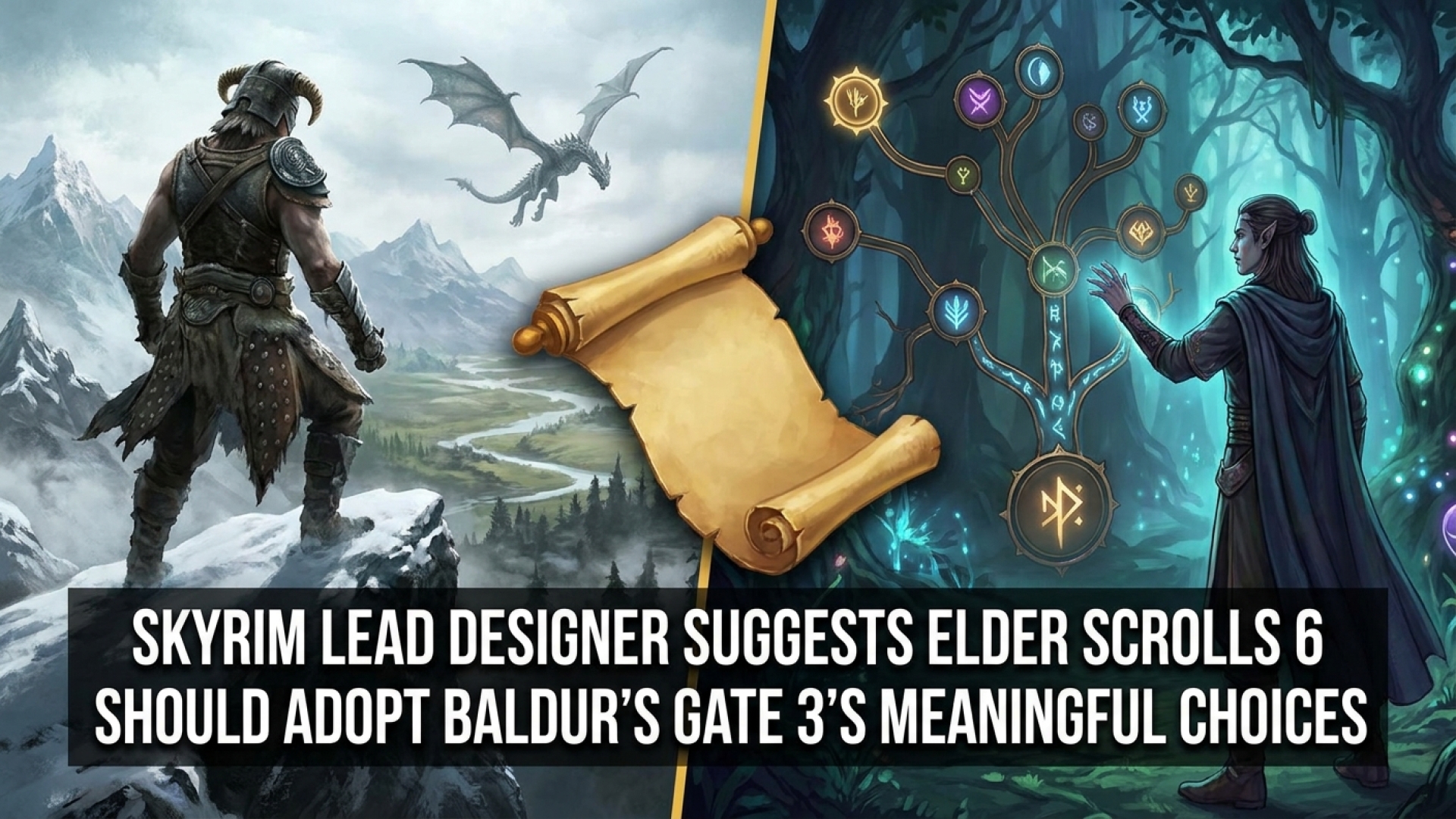
At Digital Tech Explorer, we closely follow the intersection of software engineering and immersive storytelling. Recently, Bruce Nesmith, the veteran lead designer behind the cultural phenomenon Skyrim, sat down for an insightful interview with PressBoxPR. For developers and tech enthusiasts alike, Nesmith’s reflections offer a masterclass in the evolution of game engines, the nuances of studio leadership, and the shifting expectations of the modern gaming community.
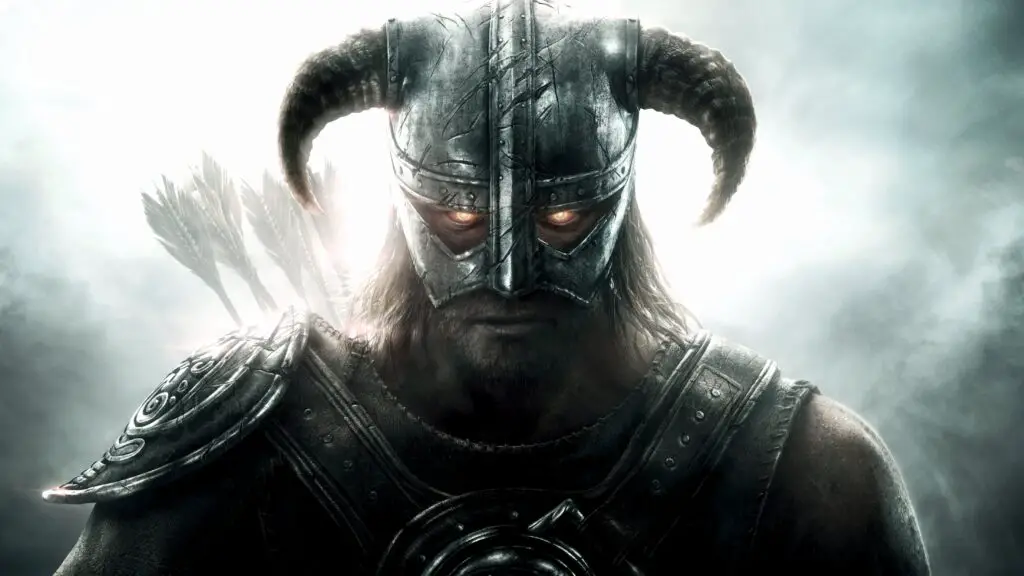
The Engine Debate: Why Bethesda Sticks to Its Roots
One of the most persistent discussions in the gaming industry is whether Bethesda should abandon its proprietary Creation Engine in favor of Epic’s Unreal Engine. Nesmith provided a pragmatic developer’s perspective on this, noting that a transition of that magnitude isn’t a quick fix. He suggested that the friction of moving a massive team to a new framework would likely delay any perceived benefits until several titles down the line.
Beyond the tech stack, Nesmith shared a candid look at Todd Howard’s leadership style, which he affectionately labeled “seagulling.” This describes a tendency for high-level creative directors to swoop into a project and enact swift, sweeping changes—even when they aim to delegate. It’s a fascinating glimpse into the management of high-stakes digital projects where the balance between creative vision and team autonomy is constantly in flux.
Learning from Baldur’s Gate 3: The Future of Dynamic Worlds
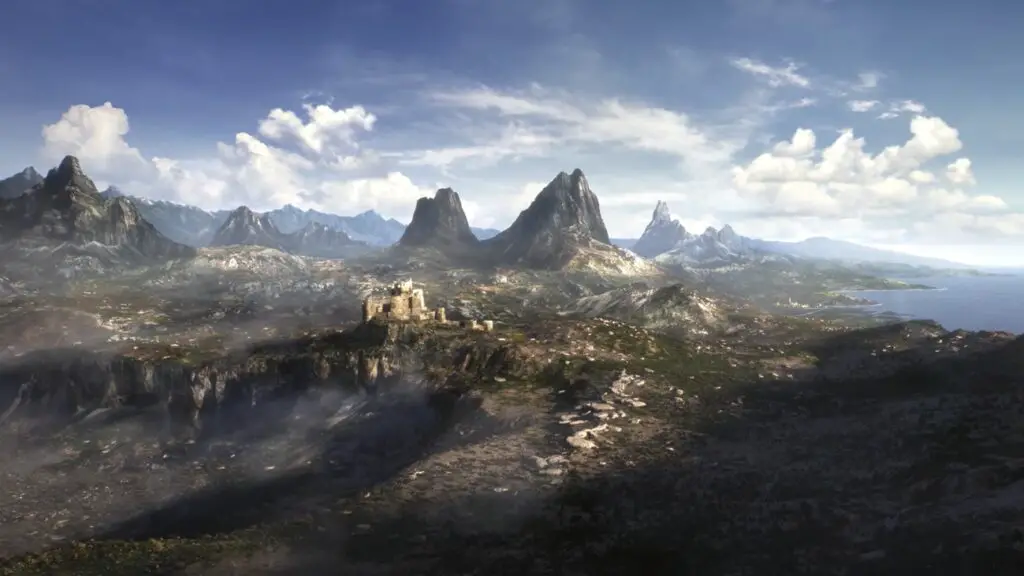
As we look toward The Elder Scrolls 6, Nesmith argues that the next leap in RPGs isn’t just about 4K resolution or better textures; it’s about dynamic world-building. He observed that over the last decade, Bethesda’s titles have become “less dynamic,” potentially to ensure stability and accessibility for a broader audience.
However, the runaway success of Larian Studios’ Baldur’s Gate 3 has changed the industry’s baseline. By prioritizing meaningful player agency—where a single choice can permanently alter the game state—Larian proved that players are hungry for consequences. Nesmith noted that the gaming community has clearly signaled a preference for games where player actions yield “sweeping changes” rather than “putting the toys back in the box” for the sake of quest safety.
| Design Aspect | Traditional Bethesda Model | Nesmith’s Proposed “Dynamic” Model |
|---|---|---|
| Quest Integrity | “Putting toys away” (resetting world state) | Permanent consequences and world shifts |
| Player Agency | Broad freedom, limited long-term impact | Choices that can dissolve entire factions |
| Engine Focus | Stability and vast scale | Reactivity and narrative branching |
| Inspiration | Established open-world loops | Deep RPG systems (e.g., Baldur’s Gate 3) |
A New Chapter for Nesmith
While his insights continue to shape how we view the hardware and software requirements of future RPGs, Nesmith has transitioned from writing code and lore to writing novels. He is currently promoting his Loki Redeemed trilogy, a contemporary fantasy series that showcases his enduring talent for storytelling.
At Digital Tech Explorer, we believe his career path—from the lead designer of one of the world’s most successful games to a fantasy novelist—is a testament to the power of narrative in tech. Whether through a lines of C++ or a printed page, Nesmith remains a vital voice in the industry.
Affiliate Disclaimer: Some of the links on Digital Tech Explorer are affiliate links. This means we may earn a commission if you click through and make a purchase, at no additional cost to you. Our recommendations are based on thorough research and personal experience.