
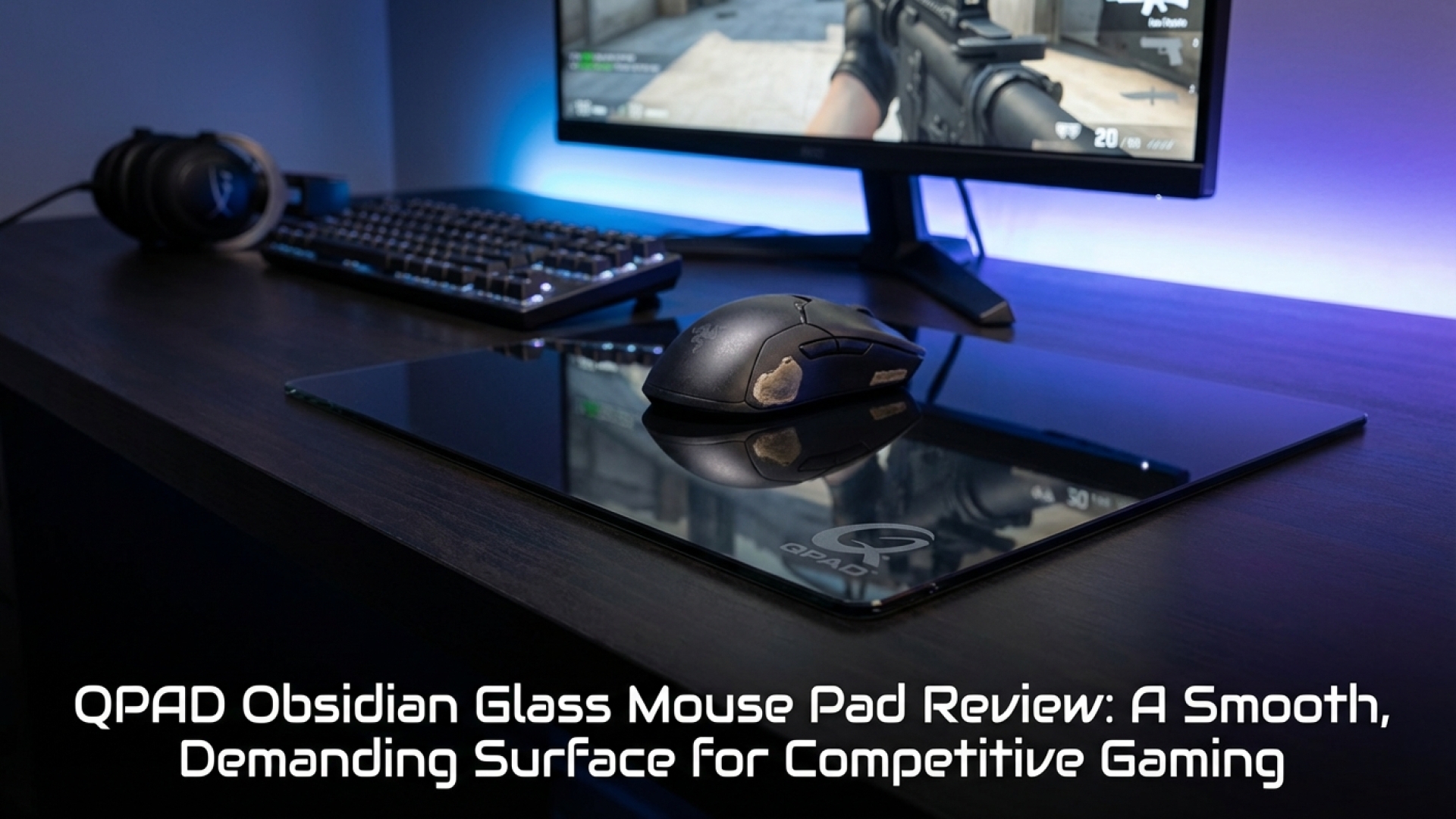
Our Verdict
Rating: 3.5 / 5 Stars (Score: 79)
QPAD has crafted a stunningly smooth glass pad with the Obsidian Glass. While its high price and learning curve might deter some, its ability to eliminate surface friction and enable precision micro-adjustments makes it a top-tier choice for competitive aimers who demand consistent performance.
For
- Incredibly smooth glide for fast-paced tracking
- Effortless micro-adjustments for pixel-perfect aim
- Stylish under-glass pattern that complements any setup
- Versatile size suitable for a wide range of desk configurations
- Extremely easy to maintain, requiring just a simple wipe-down
Against
- Premium price point (£100)
- Practically requires a gaming sleeve to prevent skin friction
- Accelerates the wear and tear of standard mouse skates
- Noticeable acoustic feedback during fast swipes
Throughout my journey as a storyteller in the digital space, I’ve often found myself tethered to the familiar comfort of cloth mouse pads. Having experimented with various plastic hard pads that never quite hit the mark, I assumed my desk setup was settled. However, putting the QPAD Obsidian Glass through its paces for Digital Tech Explorer has been an eye-opening experience, revealing a specialized tier of gaming hardware I had previously overlooked.
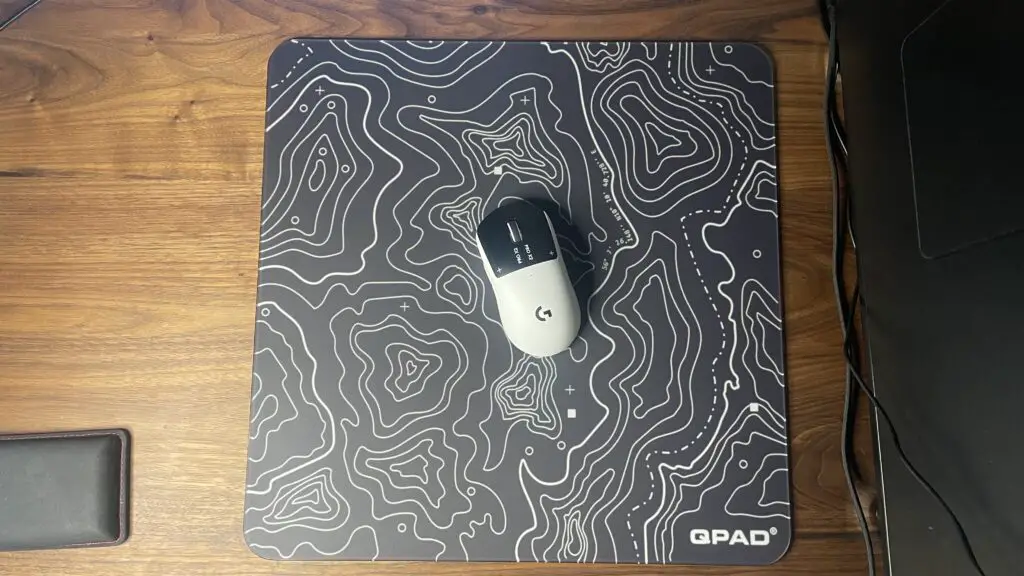
What sets a glass pad apart from the competition? It isn’t simply a “hard” version of a standard mat; it is a durable, high-performance alternative to traditional plastic. While hard plastic surfaces are prone to wearing down and developing “slow spots” over time, tempered glass maintains a consistent, frictionless surface for years. Even with the micro-etchings required for high-accuracy sensor tracking, the durability far exceeds that of any cloth or plastic counterpart, making it a sound long-term investment for serious enthusiasts.
QPAD Obsidian Glass Specifications
| Feature | Details |
|---|---|
| Dimensions | 420 × 420 × 4 mm |
| Edging | Slightly curved, rounded edges |
| Surface Material | Hard tempered glass with micro-textured finish |
| Weight | 1.5 kg |
| Price | £100 (UK Market) |
Transitioning to the Obsidian Glass was surprisingly intuitive. After a few days of rigorous real-world testing in Counter-Strike, the learning curve flattened. Initially, I struggled with slight overshooting, but once I adapted to the lack of static friction, the advantages became undeniable. Micro-adjustments—those tiny movements vital for long-range engagements—became effortless. I found my flick shots landing with a level of consistency that my old cloth pads simply couldn’t facilitate.
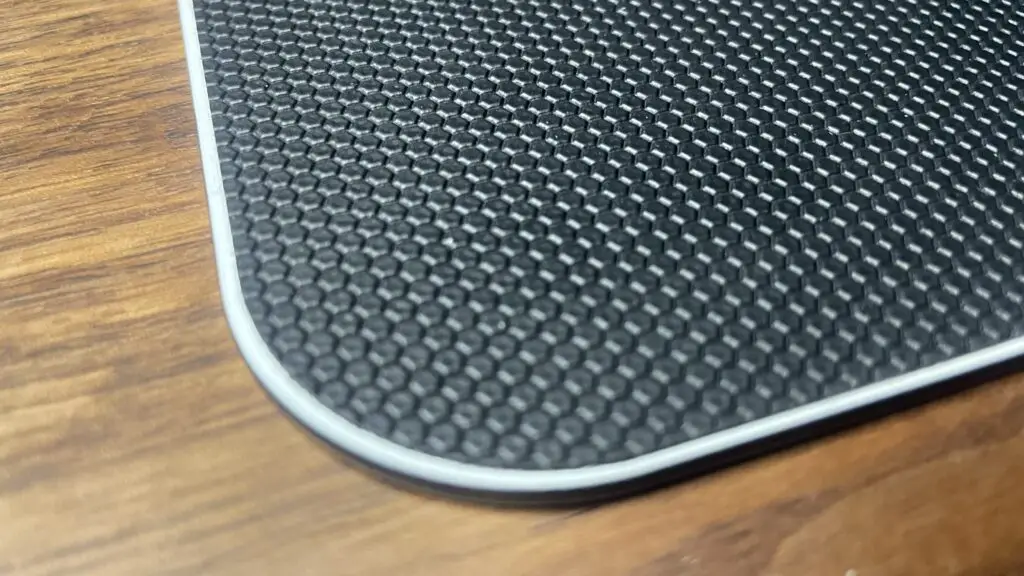
The stability of this pad is another highlight. Weighing in at 1.5 kg and featuring a robust rubberized base, it stays anchored to the desk regardless of how frantic the gaming session becomes. At 420mm wide, it strikes an excellent balance—offering plenty of real estate for low-sensitivity players while remaining more desk-friendly than oversized alternatives like the Wallhack Skypad 4.
However, no piece of technology is without its quirks. The “sticky forearm” effect is a physical reality when using glass; in humid or warm environments, skin can drag against the surface. To maintain a truly fluid motion, a gaming sleeve is almost a requirement for medium and low-sensitivity users. Additionally, users should be prepared to monitor their hardware; PTFE mouse skates will wear down significantly faster on glass. I recommend switching to harder UPE feet to mitigate this wear and maintain the intended glide speed.
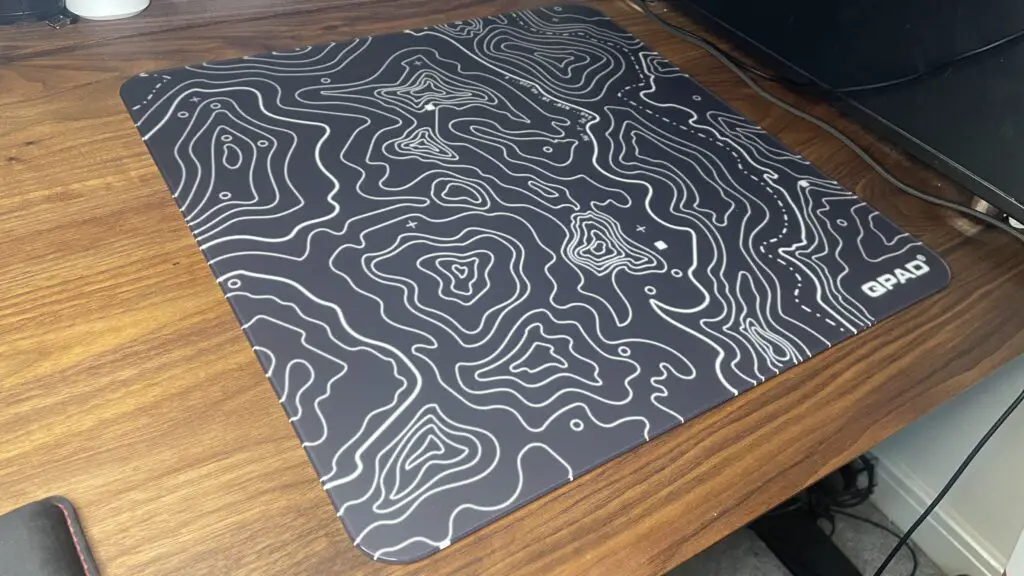
Ultimately, for the competitive gamer looking to shave every millisecond off their reaction time, the QPAD Obsidian Glass is a definitive game-changer. While it represents a niche investment that might be overkill for casual browsing, its performance benefits for serious FPS players are palpable. If you are willing to adapt your gear—specifically your skates and attire—this pad offers a level of precision that traditional surfaces simply cannot match.
About the Author: TechTalesLeo is a dynamic storyteller and tech enthusiast dedicated to bridging the gap between complex digital innovation and everyday usability. With a background in web development and digital media, Leo brings real-world testing and insightful narratives to every review.
Disclaimer: All content on Digital Tech Explorer is for informational and entertainment purposes only. We do not provide financial or legal advice.
Affiliate Disclaimer: Some of the links on Digital Tech Explorer are affiliate links. This means we may earn a commission if you click through and make a purchase, at no additional cost to you. Our recommendations are based on thorough research and personal experience.