
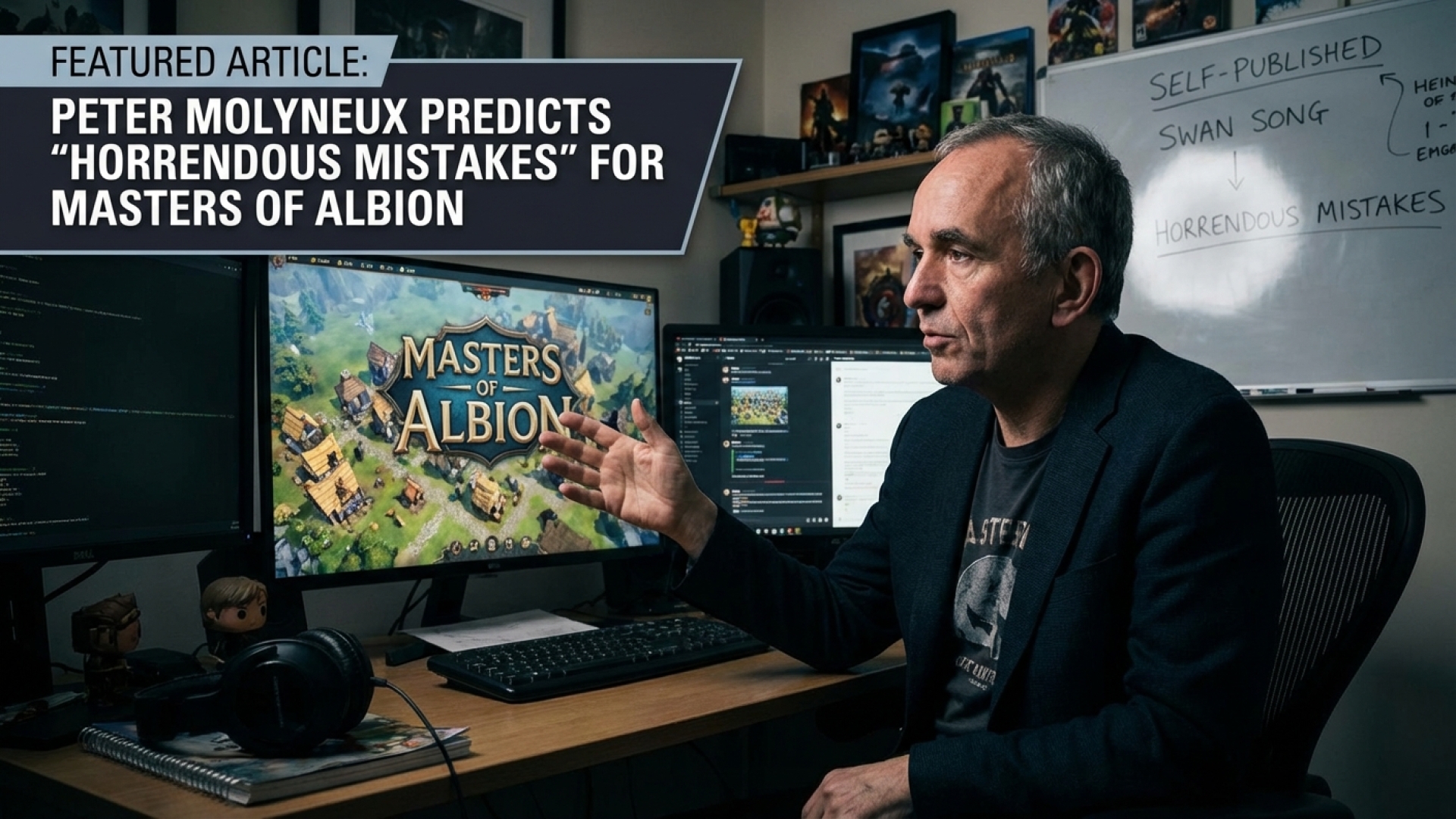
Peter Molyneux, the veteran game developer behind legendary titles like Magic Carpet, Syndicate, and Fable, is embarking on what he describes as his final creative journey: Masters of Albion. At Digital Tech Explorer, we often see industry veterans return to their roots, but Molyneux’s latest venture marks a significant shift in his career. This project is more than just a new game; it is a reunion with long-time collaborators and a daring leap into the world of self-publishing with his studio, 22Cans.
The Shift to Self-Publishing: A Technical and Business Gamble
In a departure from previous ventures backed by massive publishers, 22Cans is taking full control of Masters of Albion. This decision places the weight of public relations and marketing directly on the shoulders of the development team. In a candid interview with The Game Business, Molyneux admitted to being “petrified” by the move into territory his team doesn’t fully understand. While the roster includes Lionhead veterans such as Mark Healey, Russell Shaw, Iain Wright, and Kareem Ettouney, their expertise lies in hardware interactions and software design, not necessarily in the intricacies of global distribution and media management.
The following table outlines the fundamental shift in strategy for this release compared to Molyneux’s previous AAA titles:
| Feature | Traditional Model (Fable) | Self-Published Model (Albion) |
|---|---|---|
| Funding & Support | Major Publisher (e.g., Microsoft) | Independent (22Cans) |
| Development Style | Closed-door/Waterfall | Community-driven/Early Access |
| Marketing Strategy | Professional PR Agencies | In-house/Passion-led |
Early Access and the Logic of “Passion Over Experience”
Launching as an early access title on Steam, Masters of Albion is designed to be a living project. Molyneux emphasizes that the game’s intricate systems—fusing god-game mechanics with RPG elements—require constant balancing that only a live player base can provide. Interestingly, his philosophy for building the community team has prioritized passion over industry tenure. He believes that while his team may lack traditional PR polish, their enthusiasm for the project will bridge the gap in communication on platforms like Discord.
For tech enthusiasts following 2024 releases, this “build in public” approach is a standard in modern software engineering, but it is a first for a developer of Molyneux’s stature. By acknowledging that “horrendous mistakes” are likely, he is setting a tone of transparency that aligns with the current PC games market.

Managing the Hype: The Molyneux Legacy
As a storyteller, TechTalesLeo recognizes that Molyneux is a figure who often weaves narratives as ambitious as his code. Historically known for overpromising, he has attempted to temper expectations for Masters of Albion, even while using phrases like “the magic is back.” By invoking the spirit of Dungeon Keeper and Black & White, he is signaling to fans that this game is the culmination of his life’s work in digital innovation.
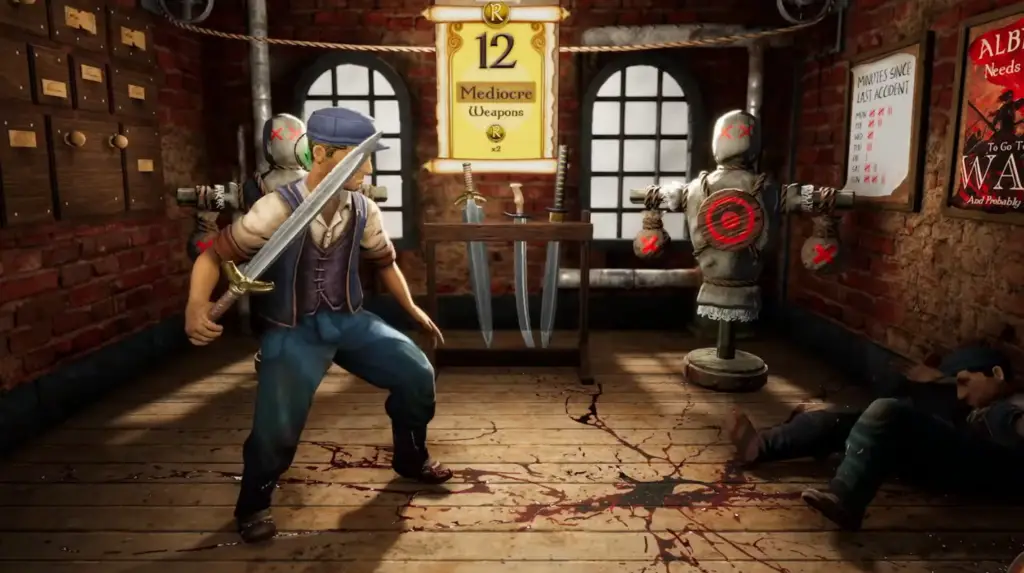
However, the tech community remains cautious. Early deep-dive trailers have showcased a variety of complex systems, leading some critics to worry about whether these disjointed features will eventually coalesce into a smooth user experience. This is a common hurdle in gaming development: ensuring that ambitious features don’t compromise core stability.
Release Outlook and Conclusion
The journey of Masters of Albion will be a fascinating case study in whether a legendary creator can thrive in the modern indie landscape. With a launch date set for early access on April 22, the tech world will soon see if passion truly can trump experience in the high-stakes world of self-publishing. Whether it becomes a new standard for PC gaming or a cautionary tale of over-ambition, Molyneux’s final project is undoubtedly one of the most intriguing stories in tech today.
Stay tuned to Digital Tech Explorer for more in-depth analyses of emerging technology and software trends.