
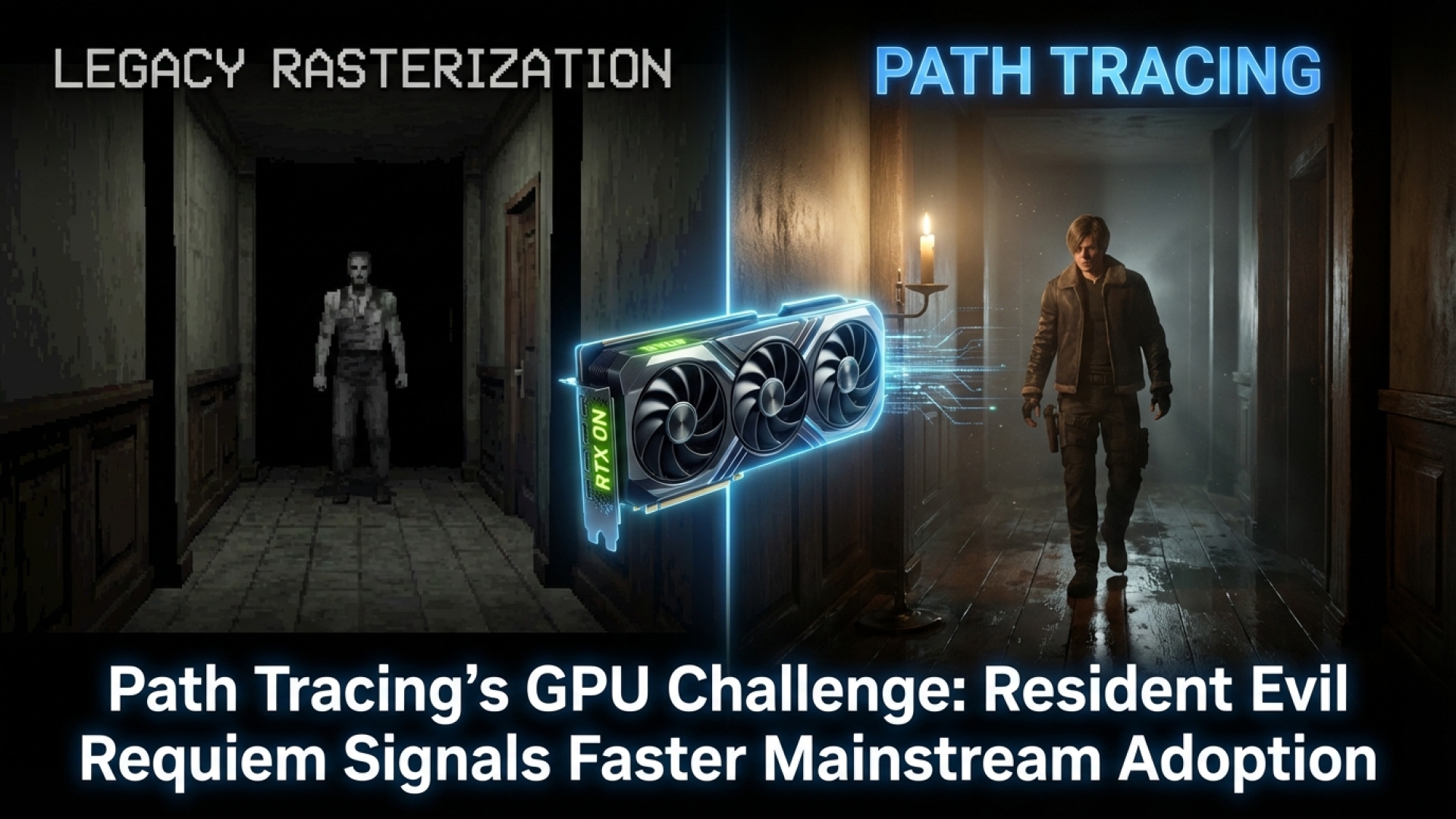
As we navigate the evolving landscape of digital innovation here at Digital Tech Explorer, few milestones are as visually arresting—or as hardware-punishing—as the implementation of path tracing. With the recent launch of Capcom’s Resident Evil Requiem, PC gamers have another flagship title to test their mettle against what Nvidia often calls “full ray tracing.” While this technology offers pixel-perfect lighting, shadows, and reflections, the entry fee for such graphical wizardry remains steep.
The cost is both fiscal and physical. While any modern RTX GPU is technically capable of handling these rendering algorithms, performance is heavily dictated by the architecture’s shader units, L2 cache, and available VRAM. Without sufficient resources, this top-tier visual experience quickly devolves into a slideshow of single-digit frame rates.
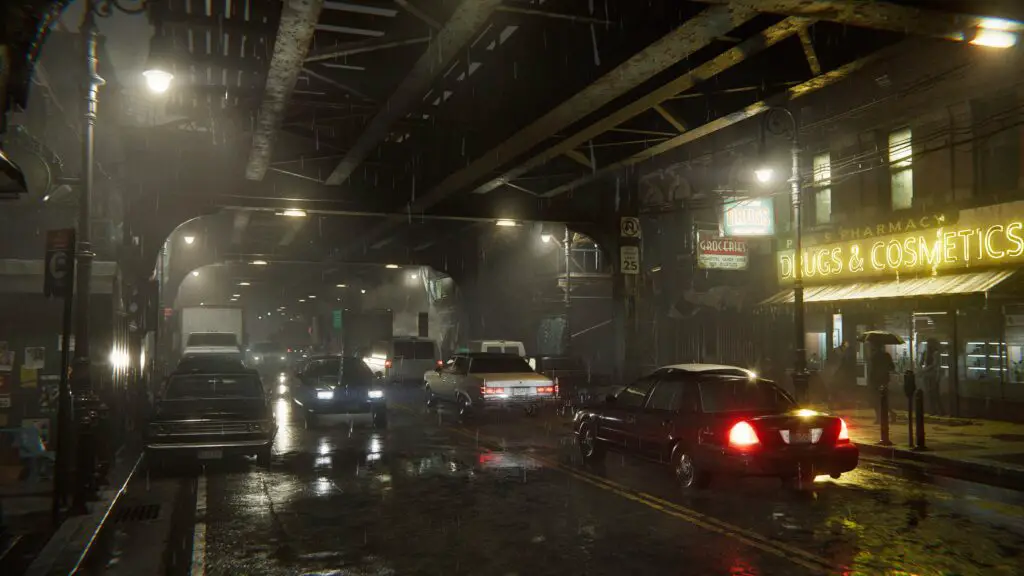
The Heavy Demands of High-End Rendering
To put this in perspective, consider the RTX 3060 Ti. With 4,864 shaders and 8 GB of video memory, it struggles significantly compared to standard lighting models. While it is impressive that the Resident Evil Requiem engine even runs path tracing on this hardware, the result is often closer to 15 fps—a novelty rather than a playable experience.
Even stepping up to the current generation doesn’t entirely solve the problem. An RTX 4070 can churn out triple-digit performance figures with high ray tracing enabled, but its output speed plummets the moment the “path” variant is switched on. Despite having nearly double the compute performance of its predecessors and significantly more cache, the workload remains immense.
In Resident Evil Requiem, technical constraints currently prevent the use of frame generation alongside path tracing on older cards like the 3060 Ti. However, users with native support on 40-series cards can utilize DLSS Performance and frame interpolation to pull the average frame rate back into the realm of playability. It serves as a reminder that for many, these ultra-realistic visuals still require a helping hand from AI-driven upscaling.
From Turing to Modern Masterpieces
It is worth appreciating how far we have come. It has been roughly eight years since Nvidia introduced the RTX 20-series, the first consumer cards to feature dedicated hardware for ray tracing acceleration. In the early days of 2018, the tech was limited to specific effects like reflections in Battlefield 5.
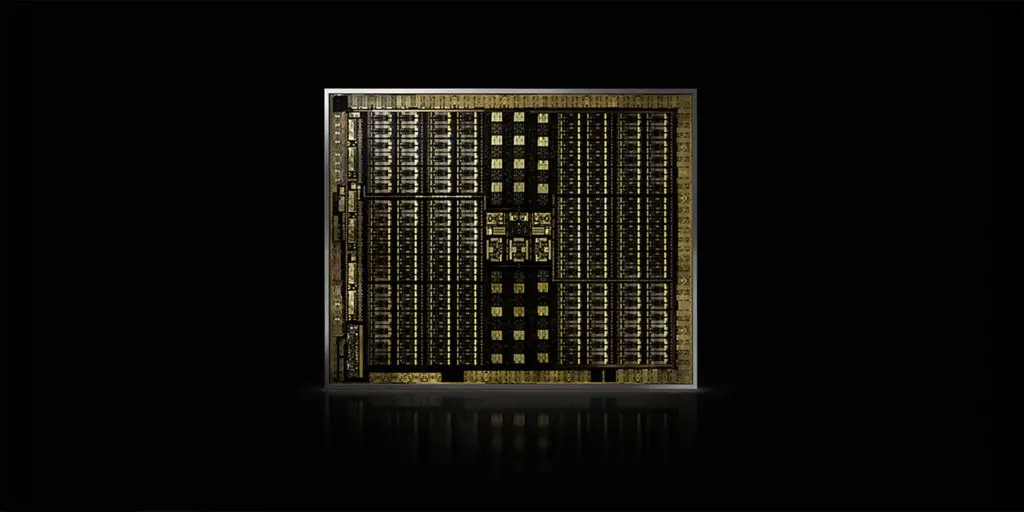
The landscape shifted significantly with the 2021 release of Metro Exodus Enhanced Edition, which utilized the technology for global illumination, refractions, and shadows. Interestingly, the ground had already been broken by Quake 2 RTX two years prior. Though Quake 2 had simpler geometry, it was an early proof of concept for 100% path-traced lighting.
Today, the gold standard remains Cyberpunk 2077 and its RT Overdrive mode. We are also seeing a surge of titles that integrate these features natively, such as Doom: The Dark Ages, Black Myth: Wukong, and Star Wars Outlaws. In many of these 2024 releases, the performance is remarkably optimized compared to early implementations.
The Mechanics of Realism: Why It’s So Tough
Why does path tracing bring even the mightiest GPU to its knees? Effectively, it is a “juiced-up” version of standard ray tracing. Algorithms must trace multiple paths from the camera to light sources, statistically sampling them to calculate accurate colors. When you factor in multiple light bounces off various surfaces—accounting for opacity, reflectivity, and emissivity—the computational workload becomes astronomical.
Look at titles like Indiana Jones and the Great Circle. When maxed out on an RTX 5090 with DLSS enabled, the visuals are breathtaking, but the hardware cost is undeniable. It requires the absolute pinnacle of engineering to maintain smooth motion at 4K resolution.
Looking Toward a Path-Traced Future
Will it take another eight years for path tracing to become the standard? The current performance of the RTX 5090—which features 21,760 shader units and massive L2 cache—suggests we are getting closer. To hit a stable 60 fps at 4K, we are still leaning heavily on upscaling, but the trajectory is clear.
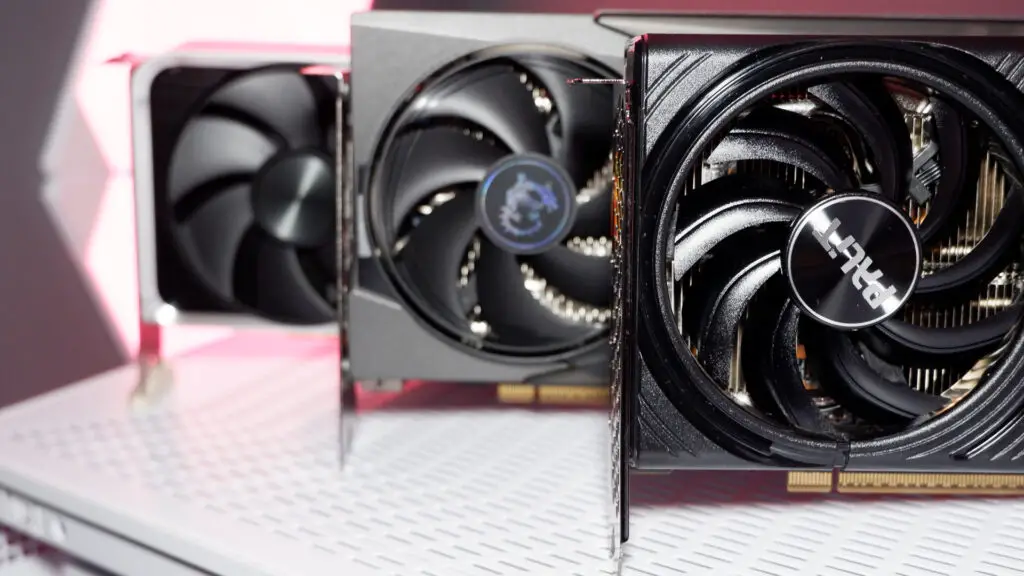
The bridge to this future is AI. Beyond just frame generation, we are on the cusp of mainstreaming neural shading and neural texture compression. These AI-powered algorithms are designed to offset the immense workload of path tracing, allowing for more efficient processing without sacrificing visual fidelity.
At Digital Tech Explorer, we believe path tracing is the ultimate destination for immersive gaming. While it continues to push current hardware to its limits, the gap between “unplayable” and “standard” is closing faster than ever. It won’t be long before these astonishing visuals run as smoothly as the traditional rendering techniques we use today.