
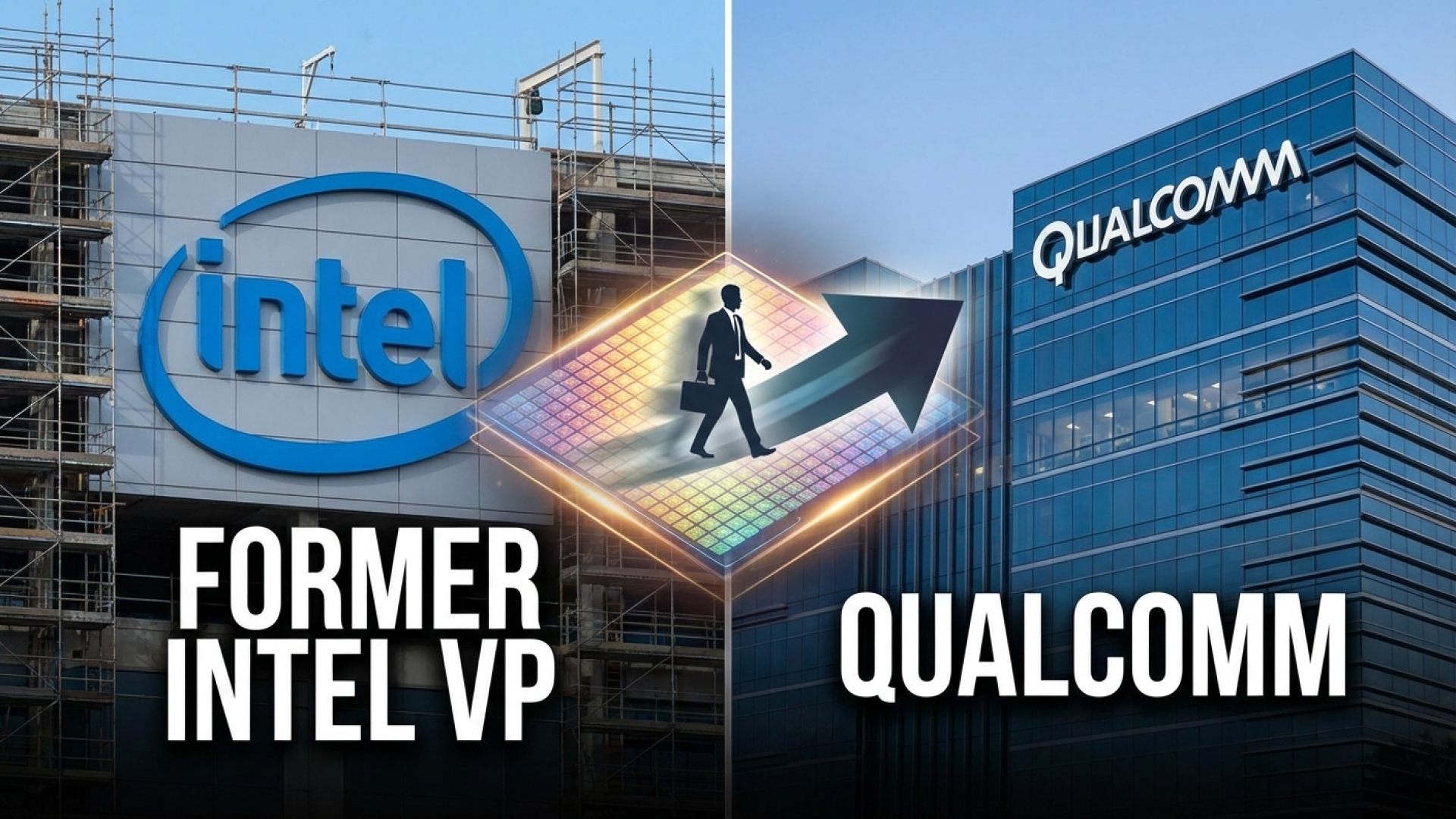
In the high-stakes arena of semiconductor manufacturing, the movement of top-tier talent often signals a shift in the industry’s tectonic plates. Recently, the landscape shifted once again as Kevin O’Buckley, a seasoned veteran and former senior vice president and general manager of Foundry Services at Intel, announced his departure to join Qualcomm. This transition comes at a pivotal moment for both companies, as Intel navigates a complex restructuring and Qualcomm doubles down on its ambitions for the laptop market.
Strategic Recruitment: O’Buckley’s New Mission at Qualcomm

At Qualcomm, O’Buckley steps into the role of executive vice president of global operations and supply chain. At Digital Tech Explorer, we’ve tracked the increasing pressure on global supply chains, and O’Buckley’s new remit is among the most challenging in the industry. He will oversee global semiconductor operations, including manufacturing engineering, foundry partnerships, and procurement.
This move is particularly strategic as Qualcomm pushes the boundaries of AI integration and Arm-based computing. Success in the laptop sector—specifically through the Snapdragon X2 Elite processor—requires a seamless supply chain and secured capacity at major foundries like TSMC. O’Buckley’s deep experience with foundries will be the “secret sauce” Qualcomm needs to fuel Microsoft’s Windows on Arm initiative.
Intel Foundry: A Landscape of Strategic Realignment
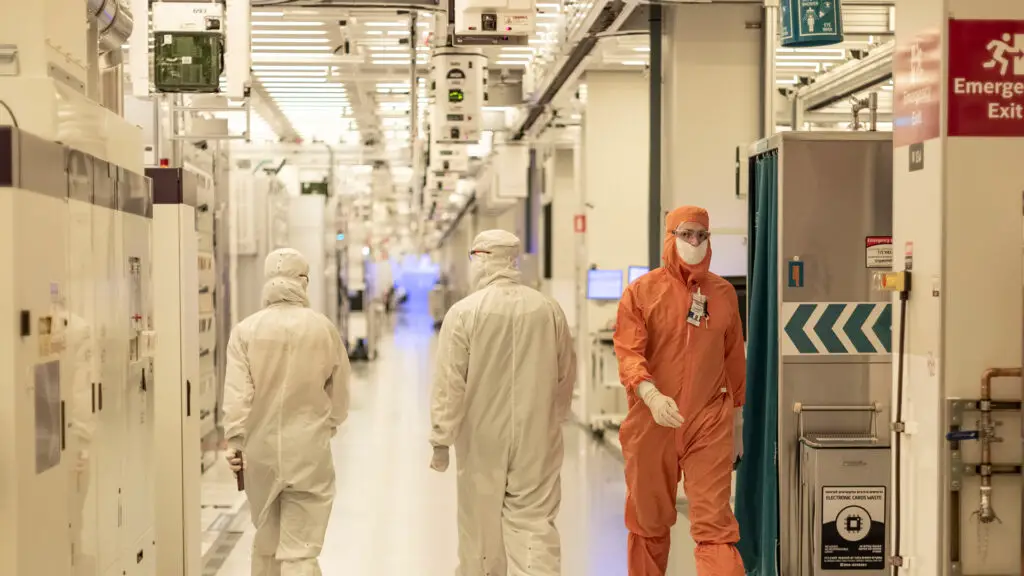
O’Buckley’s pedigree includes leadership stints at IBM, Marvell Technologies, and GlobalFoundries. His exit from Intel follows a period of intense transformation. Under current strategic directions, Intel has faced significant pressure to justify its massive investments in hardware manufacturing nodes. While there was initial hesitation regarding customer acquisition, the narrative has shifted toward a more optimistic, domestic-focused future.
This optimism is backed by heavy hitters. The US government recently signaled its commitment to domestic AI acceleration and production by acquiring a 10 percent stake in Intel through the CHIPS Act. Furthermore, Nvidia has solidified its interest with a $5 billion stake, aiming to bridge the gap between CPU and GPU architectures for AI-driven servers and consumer PCs. Despite these high-level wins, losing a “critical player” like O’Buckley—who was hired to help customers maximize Intel Foundry services—is a notable hurdle for the company.
Navigating the Leadership Reshuffle
Intel’s leadership chart has seen more movement than a high-speed logic gate over the last 18 months. To provide clarity on these changes, we have summarized the current leadership structure within Intel’s core divisions:
| Executive | Current Role / Responsibility | Focus Area |
|---|---|---|
| Naga Chandrasekaran | CTOO & Head of Foundry Services | Integrated foundry business and manufacturing |
| Jim Johnson | Head of Client Business | Consumer-grade processors and PC market |
| Kevork Kechichian | Head of Datacenter Business | Enterprise solutions and server architecture |
| Kevin O’Buckley | Departed to Qualcomm | Formerly General Manager of Foundry Services |
While the departure of long-time veterans like Michelle Johnston Holthaus has raised eyebrows, Intel appears to be consolidating its power under a new vision. Naga Chandrasekaran has taken a more expansive role to ensure that the foundry business remains integrated and efficient, mitigating the loss of O’Buckley’s reporting line.
Future Outlook: Panther Lake and Beyond
Despite the executive turnover, the engineering teams at Intel continue to deliver. The Panther Lake chip has already demonstrated impressive performance, utilizing Intel Foundry’s 18A technology. At Digital Tech Explorer, we believe the ultimate litmus test for Intel will be its ability to secure a “whale” customer—a massive third-party contract that proves the 18A process is ready for prime time.
As TechTalesLeo, I’ve seen many “changing of the guards” in Silicon Valley, but the stakes have never been higher. With Qualcomm securing top-tier talent to drive its laptop expansion and Intel fighting for its spot as the world’s premier domestic foundry, the next few years will define the future of computing for professionals and enthusiasts alike.
Stay tuned to Digital Tech Explorer for the latest in 2024 releases and in-depth analysis of the semiconductor industry.