
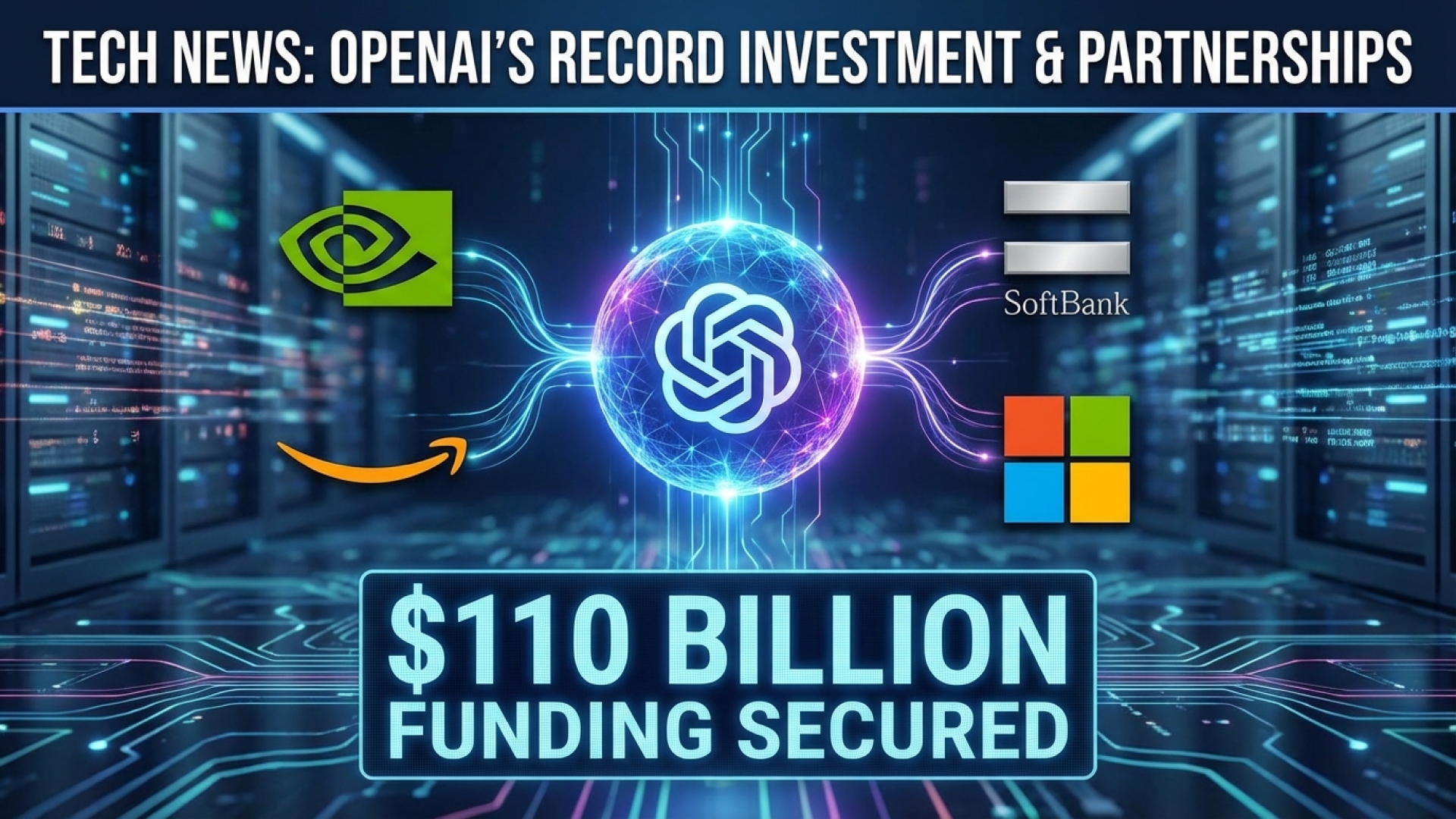
In a move that has sent shockwaves through the global AI landscape, OpenAI has officially announced a monumental $110 billion investment round. This capital infusion represents one of the most significant financial milestones in the history of the artificial intelligence industry, signaling a massive acceleration in the development of next-generation digital innovation. Here at Digital Tech Explorer, we are tracking how this influx of capital from tech titans like Nvidia and Amazon will reshape the future of hardware and software development.

A Strategic Power Play: Breaking Down the $110 Billion
The funding round is backed by a powerhouse trio of investors, each bringing more than just financial support to the table. Amazon leads the contribution, securing its position in the generative AI race, followed closely by the GPU powerhouse Nvidia and the Japanese investment giant SoftBank.
| Investor | Investment Amount | Strategic Impact |
|---|---|---|
| Amazon | $50 Billion | Strategic Cloud Partnership and Infrastructure support. |
| Nvidia | $30 Billion | Priority access to next-gen AI acceleration and Vera Rubin systems. |
| SoftBank | $30 Billion | Global scaling and advanced AI infrastructure development. |
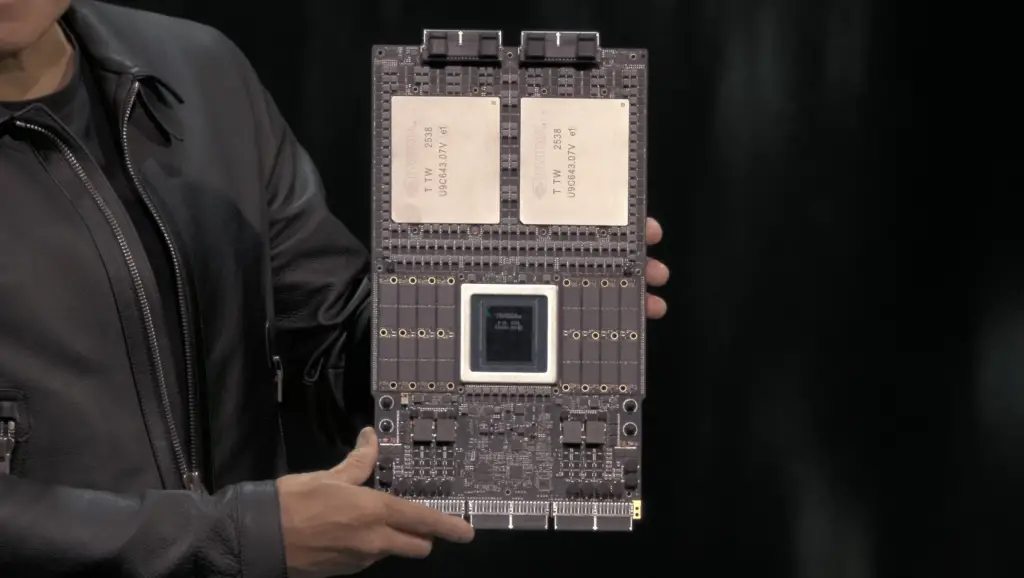
For tech enthusiasts and developers following our coverage at Digital Tech Explorer, the most intriguing aspect of this deal is the hardware access OpenAI has secured. Through its partnership with Nvidia, OpenAI will gain access to 3 GW of dedicated inference capacity and 2 GW of training on the upcoming “Vera Rubin” systems. These chips are designed to surpass the capabilities of current Hopper and Blackwell architectures, promising a leap in machine learning efficiency.
Maintaining the Microsoft Alliance
As TechTalesLeo, I’ve watched many tech partnerships shift under the weight of new investments, but OpenAI is making it clear that their foundational bond with Microsoft remains untouched. Despite the new billions from Amazon and Nvidia, the company was proactive in reaffirming its commitment to Redmond.
“Nothing about today’s announcements in any way changes the terms of the Microsoft and OpenAI relationship,” the company clarified. For developers utilizing OpenAI’s tools, this means continuity in the ecosystem. The core pillars of the Microsoft partnership remain intact:
- Intellectual Property: The IP relationship remains unchanged.
- Revenue Sharing: Existing commercial and revenue-sharing agreements are still in place.
- Exclusive Cloud: Microsoft Azure remains the exclusive cloud provider for all stateless OpenAI APIs.
The Road Ahead for Digital Innovation
This massive funding round is a testament to the insatiable demand for AI infrastructure. With tens of billions in new capital and guaranteed access to cutting-edge Vera Rubin superchips, OpenAI is positioned to push the boundaries of what is possible in 2024 releases and beyond.

The story doesn’t end here. OpenAI has hinted that “additional financial investors” are expected to join before the round officially closes, which could drive the valuation even higher. At Digital Tech Explorer, we will continue to monitor these developments to help our community of developers and professionals stay ahead of the curve.
About the Author: TechTalesLeo is a dynamic storyteller and tech enthusiast who brings technology to life through captivating narratives. With a background in digital media and innovation, TechTalesLeo bridges the gap between complex tech and everyday usability. Visit the author page for more insights.
Disclaimer: All content on Digital Tech Explorer is for informational and entertainment purposes only. We do not provide financial or legal advice.
Affiliate Disclaimer: Some of the links on Digital Tech Explorer are affiliate links. This means we may earn a commission if you click through and make a purchase, at no additional cost to you. Our recommendations are based on thorough research and personal experience.