
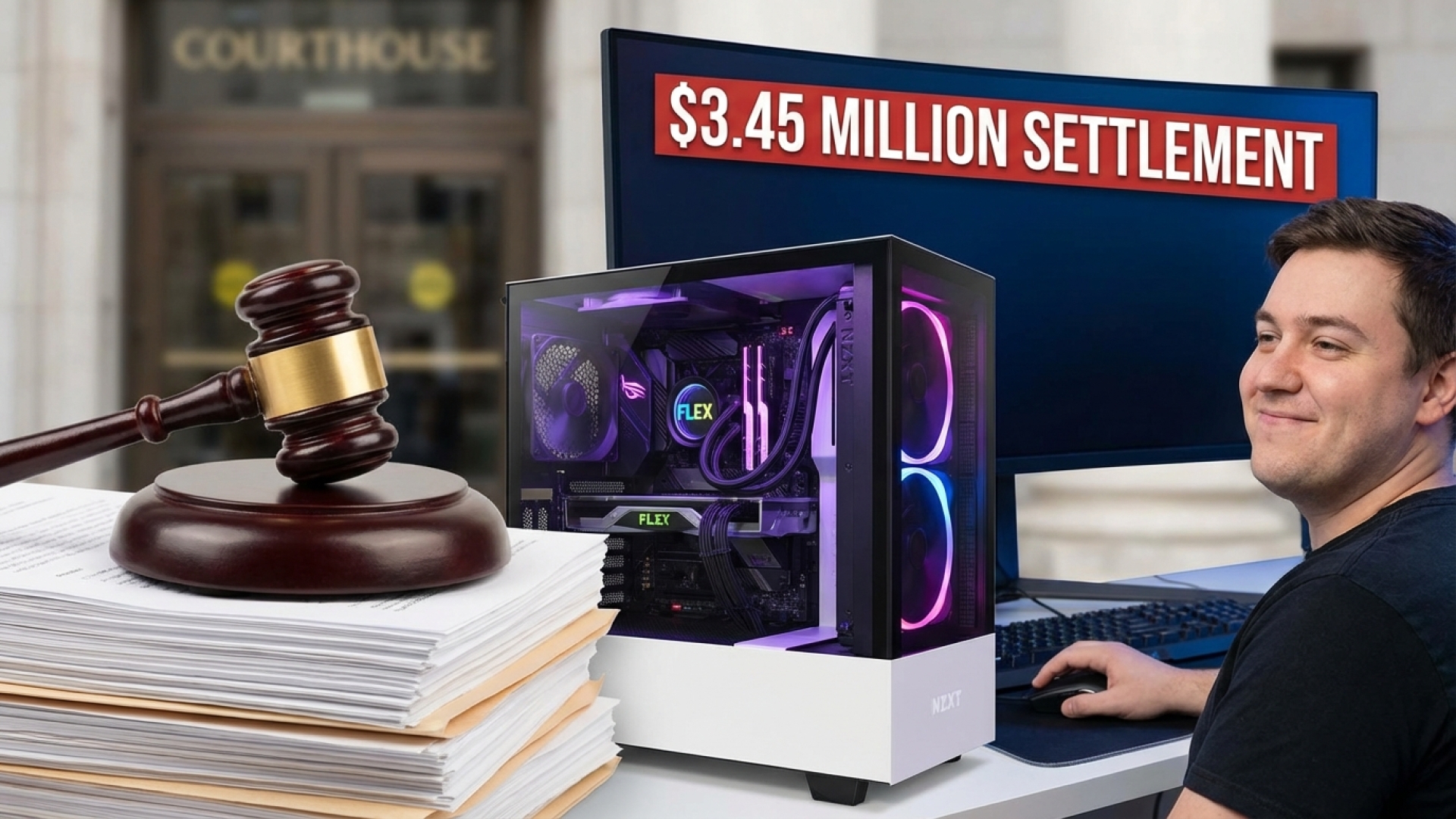
At Digital Tech Explorer, we closely monitor the intersection of hardware innovation and consumer ethics. In a significant development for the PC building community, a proposed settlement for the class action lawsuit against NZXT’s “Flex” program has been preliminarily approved in the Northern District of California. If the court grants final approval, the settlement will provide approximately $3,450,000 to users affected by what many critics have described as a predatory rental scheme.
As part of this settlement, over $1.2 million is designated for “PC-Retention relief.” This unique provision allows eligible users to keep the hardware they originally rented. To qualify for retention, users must have entered the Flex agreement on or before December 31, 2023, and attest that advertisements implying eventual ownership were a primary factor in their decision to subscribe. Additionally, some customers may be eligible for debt forgiveness or cash payments through a formal claim process. While the motion is currently unopposed, a final hearing is scheduled for mid-June to address any lingering disputes.
The Controversy: From Innovation to Investigation
The NZXT Flex program was framed as a flexible way for gamers to access high-end rigs, but it quickly drew fire from the tech community. Our storytelling focus at Digital Tech Explorer often highlights the role of investigative journalism in tech; in this case, a massive exposé by Gamers Nexus labeled the program a “predatory rental scam.” The investigation revealed that NZXT was allegedly locking users into unfair contracts while delivering gaming PCs that didn’t match their advertised performance levels.
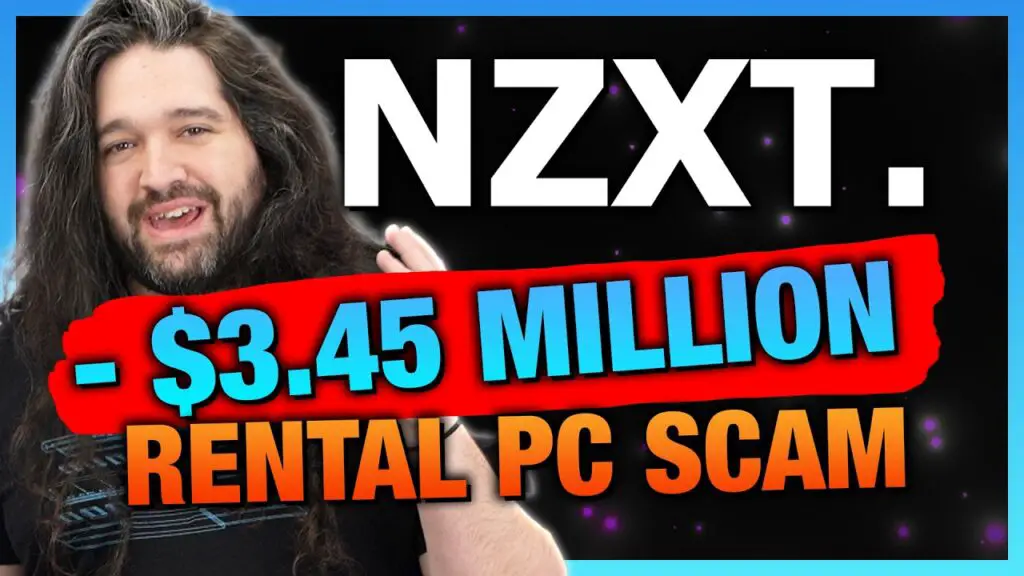
One of the most glaring issues involved hardware transparency. Reports showed that NZXT claimed two different builds—one featuring an RTX 4070 Ti Super and another with an RTX 4070 Ti—would deliver identical performance. Furthermore, marketing campaigns led by influencers suggested that renters would eventually own their machines, a claim that was not supported by the original terms of service. This gap between complex technology and everyday usability is exactly what TechTalesLeo aims to bridge for our readers.
NZXT’s Course Correction
In response to the backlash, NZXT pulled all influencer-led advertising and implemented a more rigorous creative review process. The company attributed the inconsistent GPU specifications to global component availability, asserting that any changes were made with customer consent. Despite these adjustments, the legal damage was already done, leading to the class action filing that accused NZXT of conspiring to defraud consumers through “gross misrepresentations.”
The Current State of PC Rentals
Despite the legal hurdles, the Flex program continues to operate, though its current offerings remain a point of confusion for many enthusiasts. Navigating the “Prime” modes and varying tiers requires a careful eye. Below is a breakdown of the current Flex tiers as they stand today:
| Plan Tier | Key Specifications | Monthly Cost (Refurbished) | Monthly Cost (New) |
|---|---|---|---|
| Flex One | Intel i5 14400F / RTX 3050 | $69 | $79 |
| Flex Three | Intel Ultra 7 265KF / RTX 5080 | N/A | $279 (Often Sold Out) |
| Flex Three (Refurb) | Intel i7 / RTX 4070 Ti | $199 | N/A |
The “Flex Three” tier, featuring the latest AI-accelerated hardware, is frequently out of stock, forcing users into “Prime” models with higher markups. This highlights a broader trend in the industry: as components become more expensive due to the ongoing AI and memory crisis, manufacturers like HP and NZXT are leaning into subscription models. While these services offer a lower barrier to entry and built-in upgrade paths, they often come at a significant long-term premium.
Looking Ahead
As Digital Tech Explorer continues to track these developments, we hope this settlement serves as a benchmark for transparency in the hardware-as-a-service market. Clearer communication regarding ownership and honest performance benchmarks are essential for maintaining trust with the developer and gaming communities. For now, users should remain vigilant and thoroughly research any rental agreement before committing to a long-term subscription.
About the Author: TechTalesLeo is a dynamic storyteller at Digital Tech Explorer, dedicated to making complex digital trends accessible. With a background in digital media and software solutions, Leo focuses on the narratives behind the tech to help professionals and novices stay ahead of the curve.
Affiliate Disclaimer: Some of the links on Digital Tech Explorer are affiliate links. This means we may earn a commission if you click through and make a purchase, at no additional cost to you. Our recommendations are based on thorough research and real-world testing. All content is for informational and entertainment purposes only.