
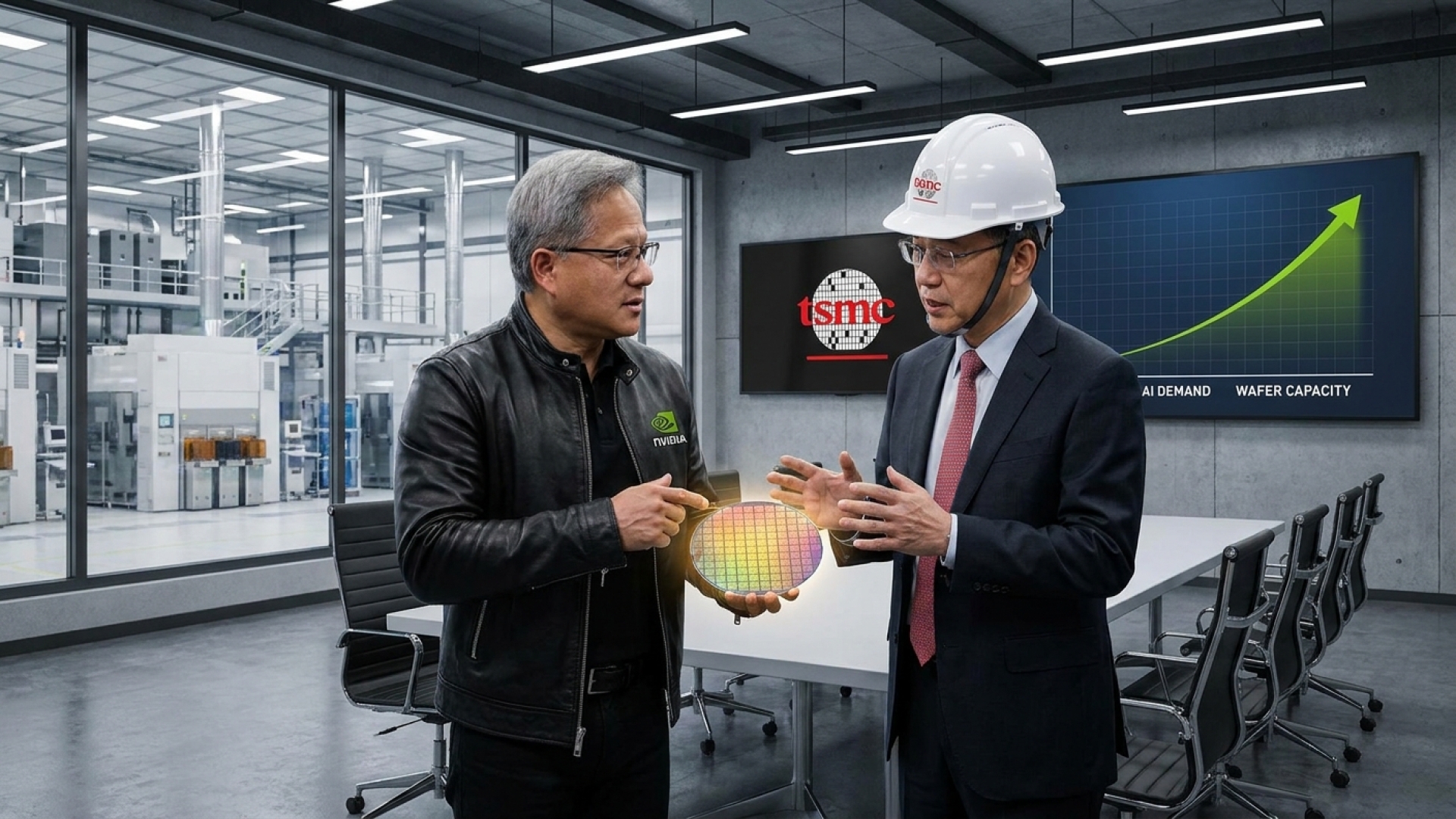
While the broader tech landscape presents a series of hurdles for PC enthusiasts—from skyrocketing component costs to limited stock—Nvidia CEO Jensen Huang is operating on a different plane. Recently, Huang hosted what has been dubbed the “trillion-dollar dinner” in Taiwan. The name wasn’t just flair; it represented the staggering combined market capitalization of the tech titans in attendance, all of whom are currently navigating the white-hot center of the AI revolution.
The Insatiable Demand for Wafers
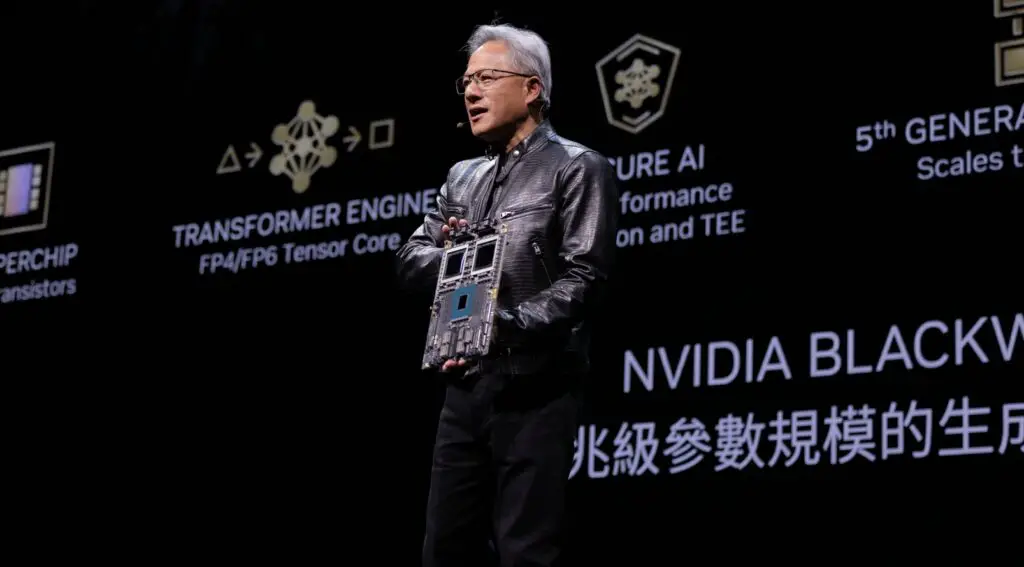
In a candid moment outside a Taipei restaurant, Huang playfully nudged the leadership at TSMC to accelerate their production lines. “TSMC needs to work very hard this year because I need a lot of wafers,” he remarked, balancing praise with the reality of an overstretched supply chain. He acknowledged that while the manufacturing giant is performing admirably, the global appetite for AI-capable silicon is currently outstripping even the most optimistic projections.
TSMC’s Critical Role and Global Expansion
As the industry faces potential bottlenecks in advanced packaging capacity, TSMC remains the linchpin of the global chip production chain. To meet this moment, the company is doubling down on infrastructure. Beyond their massive $165 billion investment in U.S.-based facilities, reports indicate plans for four additional advanced integrated circuit packaging plants in Taiwan.
Huang is bullish on this long-term trajectory. “Over the next 10 years, TSMC will likely increase their capacity by much more than 100%,” he predicted. This scale-up is essential, not just for Nvidia’s Blackwell architecture, but for the entire ecosystem of digital innovation.
The “RAMpocalypse”: How AI Starves the Consumer Market
For the average builder at home, the “RAMpocalypse” is more than a catchy term—it’s a budget-killer. High-end AI servers, powered by Nvidia’s flagship GPUs, require massive quantities of High Bandwidth Memory (HBM) and standard DRAM. This pivot toward enterprise-grade AI hardware has squeezed the supply of consumer-grade modules, driving prices higher for the rest of us.
Huang confirmed that the shortage isn’t likely to let up soon, noting that the entire supply chain is currently being tested by a level of demand that few anticipated even 24 months ago.
| Component | Primary Demand Driver | Market Impact (2025-2026) |
|---|---|---|
| Wafers (TSMC) | AI GPUs & Data Centers | Capacity at 100%; Long lead times |
| DRAM / HBM | AI Model Training | Price spikes for consumer RAM |
| Advanced Packaging | Multi-die Chiplet Designs | Production bottlenecks for top-tier cards |
Geopolitics and the Chinese Market
Despite geopolitical tensions, Nvidia is finding ways to maintain its global footprint. Reports suggest that key Chinese AI firms, including the prominent startup DeepSeek, have received conditional approval to acquire Nvidia’s H200 AI GPUs. If these deals stabilize, it could resolve a significant point of friction for Nvidia, which has spent years navigating strict export controls while trying to serve one of the world’s largest tech markets.
The Bottom Line for Gamers
At Digital Tech Explorer, we keep a close eye on how these high-level maneuvers impact the everyday user. The forecast for 2026 remains a bit somber for those looking to score a GPU deal. While TSMC’s expansion is a positive sign for the future, Nvidia’s current financial “bread” is being buttered almost entirely by the AI sector.
As long as AI revenues continue to break records, consumer gaming hardware may remain a secondary priority for the supply chain. For now, PC enthusiasts should prepare for a market defined by constrained supply and premium pricing, as the world’s most powerful chips are diverted to the data centers building the next generation of intelligence.
Disclaimer: All content on Digital Tech Explorer is for informational and entertainment purposes only. We do not provide financial or legal advice. Some links may be affiliate links, meaning we earn a commission at no extra cost to you.