

At Digital Tech Explorer, we often track the pulse of modern innovation through the eyes of industry titans. Few figures loom as large today as Nvidia CEO Jensen Huang, a man whose vision for GPU acceleration and AI has fundamentally reshaped the computing landscape. Yet, in a recent reflection on the roots of digital culture, Huang bypassed modern benchmarks to name one specific title as the most influential video game ever created. His choice serves as a masterclass in understanding how software can redefine hardware purpose.

Jensen Huang Crowns Doom as the Ultimate Industry Catalyst
During a deep-dive conversation on the Lex Fridman podcast, Huang was tasked with identifying the single most impactful game in history. Without a second’s pause, he named Doom. While many remember the 1993 classic for its visceral combat, Huang’s perspective as a software engineer and hardware pioneer focuses on its seismic shift in PC gaming architecture.
Huang noted that before id Software’s masterpiece arrived, personal computers were largely viewed as static office automation tools. While flight simulators existed, they remained niche applications. Doom broke that mold, bringing immersive, fast-paced action to the masses and proving that the PC was a viable, even superior, machine for families and gaming enthusiasts. This transition wasn’t just about entertainment; it was the spark that ignited the demand for high-performance consumer hardware.
A Tale of Two Pioneers: Doom vs. Virtua Fighter
While Doom won the title for cultural and market-wide impact, Huang did not ignore the technical milestones that paved the way for modern 3D gaming. He specifically highlighted Virtua Fighter for its contribution to game technology and real-time 3D rendering. This distinction is vital: one game changed the public’s perception of what a computer could do, while the other pushed the mathematical boundaries of what a processor could handle.
| Game Title | Primary Contribution | Industry Impact |
|---|---|---|
| Doom (1993) | Cultural & PC Accessibility | Transformed the PC from a “work tool” to a “gaming powerhouse.” |
| Virtua Fighter | Technological Innovation | Pioneered real-time 3D polygon graphics and animation. |
The Legacy of Innovation
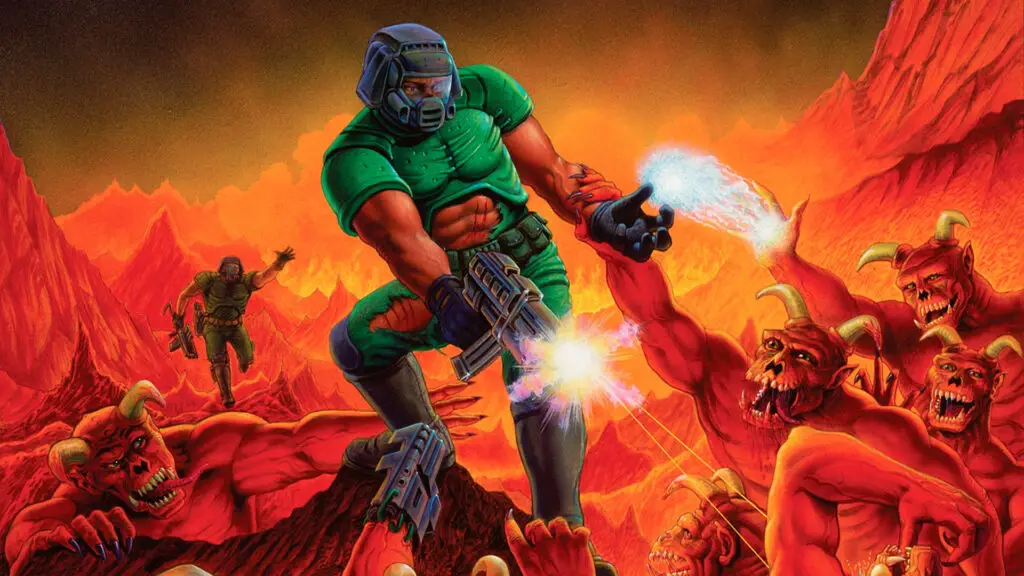
As we explore these “Tech Tales” at Digital Tech Explorer, it becomes clear why a leader like Huang holds Doom in such high regard. The game’s legacy isn’t just found in its sequels or the first-person shooter genre it popularized; it’s found in the very DNA of every high-end hardware component we review today. By demanding more speed and better visuals, Doom essentially demanded the creation of the modern GPU industry.
Huang’s reflection reminds us that the bridge between complex technology and everyday usability is often built by creative storytelling and engaging experiences. For tech novices and seasoned developers alike, the story of Doom remains a powerful reminder that the right piece of software can change the world of digital innovation forever.
For more in-depth analyses on the intersection of hardware and software history, stay tuned to Digital Tech Explorer.