
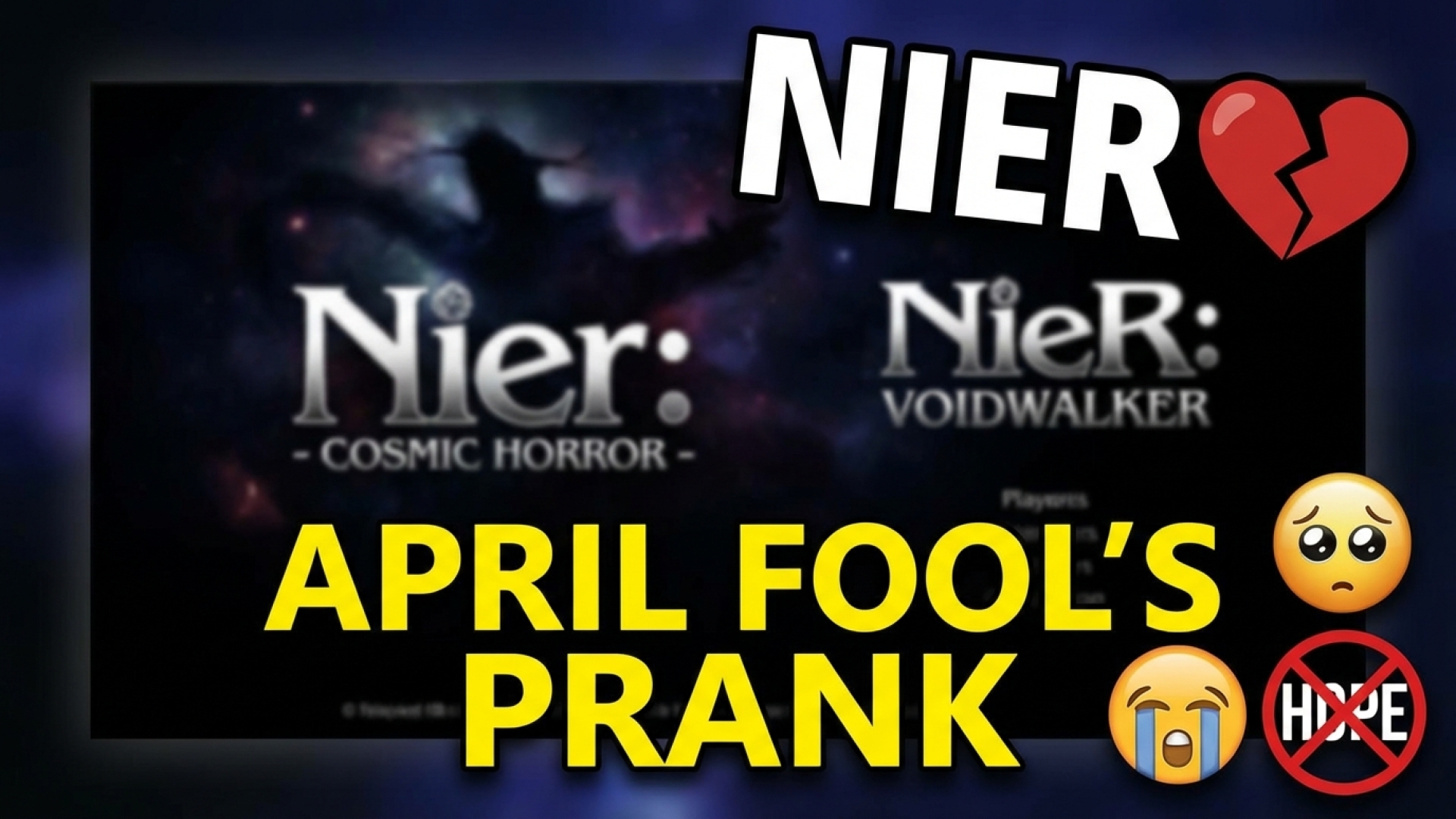
The Nier series is deeply beloved by fans worldwide, yet it often feels underserved in the modern landscape of high-fidelity gaming. The last mainline installment, Nier: Automata, graced our screens in 2017—nearly a decade ago. While 2021 saw the release of Nier Reincarnation, many within the community view the mobile gacha title as a departure from the core console and PC experiences we crave here at Digital Tech Explorer.
Hopes for a true successor soared in February when an anniversary stream teased that “Nier: Automata is to be continued,” hinting at a narrative expansion. It was within this atmosphere of high anticipation that a recent announcement on X regarding a new Nier project sent shockwaves through the industry—though the ultimate reveal left a bittersweet taste for many enthusiasts.
The Fake Announcement: Nier: Cosmic Horror
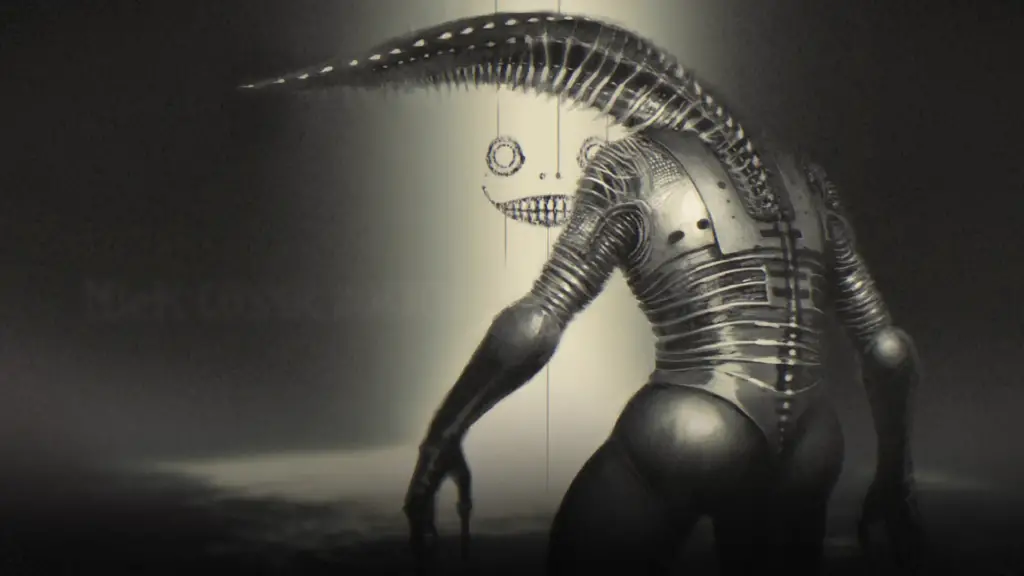
The official Nier X account captivated followers with a “Coming Soon” title screen for a project dubbed “Nier: Cosmic Horror.” The accompanying footage featured surreal, Lovecraftian imagery, including a robotic protagonist with a “caked-up” silhouette and a literal tentacle for a head. In any other franchise, such a design might be dismissed instantly as a joke. However, given creator Yoko Taro’s reputation for eccentric artistic direction and unconventional storytelling, the community didn’t immediately rule it out.
The premise of a cosmic horror entry fit perfectly within the series’ history of deep, emotionally resonant, and often bleak narratives. TechTalesLeo often explores how digital innovation allows creators to push these boundaries, and a “Lovecraftian Nier” seemed like the logical, albeit bizarre, next step for a franchise known for subverting player expectations.
The Cruel April Fool’s Reveal
The excitement proved fleeting. Shortly after the initial hype, the account issued a clarification: “The ‘Nier: COSMIC HORROR’ announced at 0:00 today is an April Fool’s project. We received a tremendous response and caused quite a stir. We look forward to your continued support.”
The confirmation of the prank sparked a wave of digital dismay. Social media feeds were quickly flooded with crying GIFs and frustrated sentiments. For a fanbase that has been meticulously tracking 2024 releases and rumors of new hardware capabilities, the joke felt particularly poignant.
Why the Prank Resonated with Fans
As we analyze tech trends at Digital Tech Explorer, we see that the success of a “fake” announcement often hinges on how well it mirrors current market desires. This prank was effective for three key reasons:
| Factor | Impact on Fans |
|---|---|
| Release Gap | Nearly 10 years since a mainline PC game release. |
| Official Teasers | Recent anniversary streams had already primed the audience for news. |
| Auteur Reputation | Yoko Taro’s history of “weird” makes even a tentacle-headed robot seem plausible. |
The unusual robot design, far from being an obvious parody, aligned with the series’ push for creative boundary-breaking. It played on the genuine hopes of a community eager to see the next evolution of the franchise.
The Future of the Nier Series

While Nier: Cosmic Horror was a fabrication, the future isn’t entirely dark. The existence of the prank itself—and the “tremendous response” acknowledged by Square Enix—highlights the massive demand for new content. There is still likely a legitimate project in development, as indicated by previous teases from the development team.
Whether the next title utilizes AI-accelerated graphics or targets 8K resolution, fans remain on standby. For now, the “steel cakes” were a lie, but the legacy of Nier continues to inspire storytelling that bridges the gap between complex technology and human emotion.
Disclaimer: All content on Digital Tech Explorer is for informational and entertainment purposes only. We do not provide financial or legal advice.
Affiliate Disclaimer: Some of the links on Digital Tech Explorer are affiliate links. This means we may earn a commission if you click through and make a purchase, at no additional cost to you. Our recommendations are based on thorough research and personal experience.