
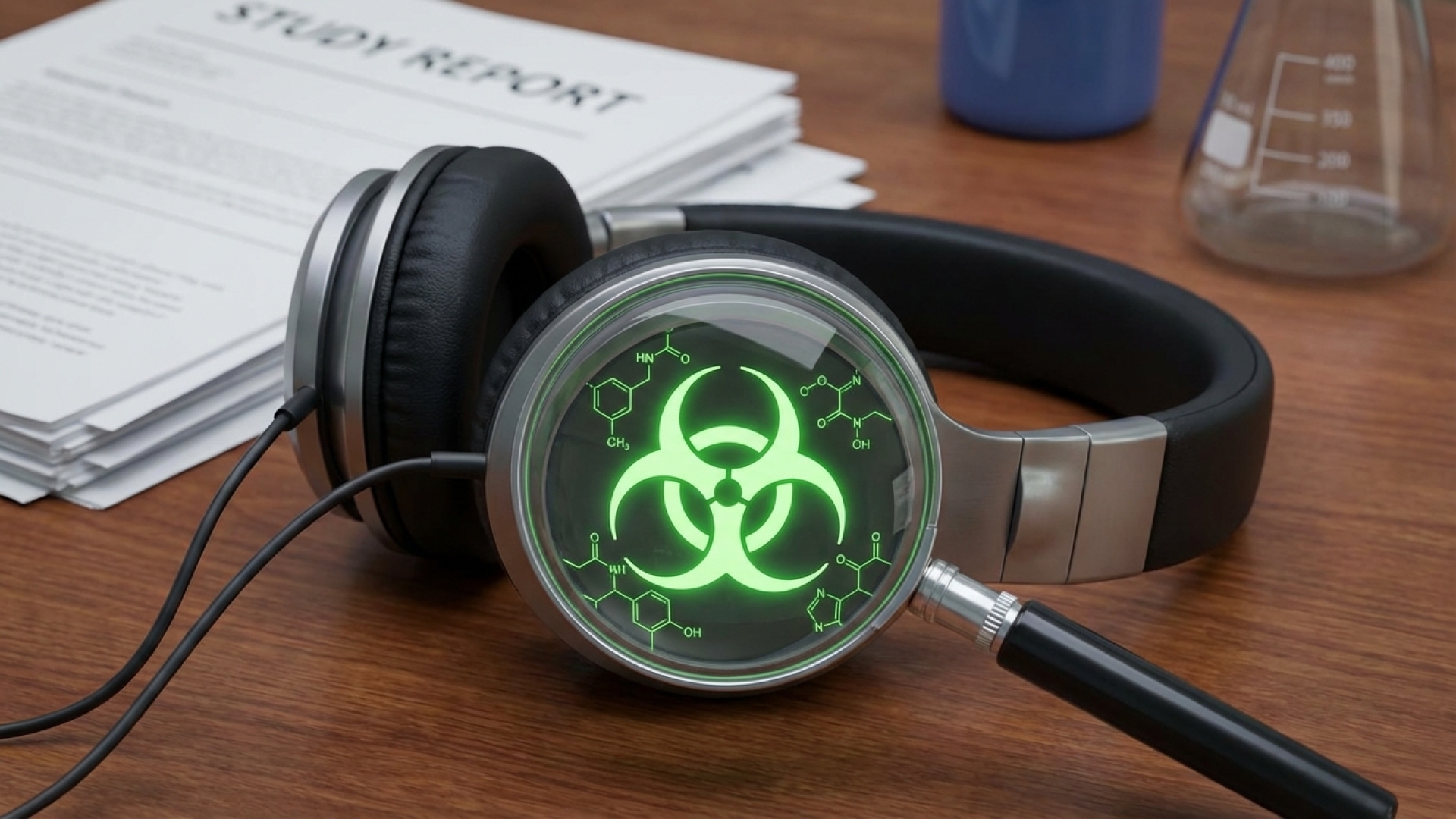
While we often obsess over the audio fidelity, noise-canceling capabilities, and battery life of our favorite gadgets, a new health concern is emerging from the very materials that sit against our skin for hours on end. Here at Digital Tech Explorer, we prioritize transparency in hardware, and a recent investigation into the chemical composition of headphones has raised significant red flags for the tech community.
Research suggests that toxic chemicals found in everyday peripherals “may be migrating” into our bodies, adding a complex layer of risk to our daily digital consumption. For those of us who spend our days coding or immersed in gaming, this study is a necessary wake-up call regarding the long-term impact of wearable electronics.
Unpacking the Research: Toxic Chemicals in Major Brands
A comprehensive study conducted by ToxFree LIFE for All has revealed that many popular headphones contain substances linked to severe health issues. The findings, highlighted by The Guardian, indicate that these materials are not just inert plastics; they contain compounds that could contribute to cancer, neuro-developmental problems, and endocrine disruption.
Perhaps the most startling aspect of the report is that these toxic chemicals were not limited to off-brand or budget alternatives. The study detected these substances in every single set of headphones tested, including premium products from industry giants like Bose, Panasonic, Samsung, and Sennheiser.

What Chemicals Are We Actually Wearing?
The primary culprits are found within the “formulation of the plastics” used to provide structure and flexibility to the devices. To help our readers understand the specific risks, we have summarized the primary substances identified in the research below:
| Chemical Compound | Presence in Samples | Potential Health Risks |
|---|---|---|
| Bisphenol A (BPA) | 98% | Hormonal interference, cancer risk, and developmental issues. |
| Bisphenol S (BPS) | 75%+ | Used as a BPA substitute; mimics estrogen and disrupts the endocrine system. |
| Phthalates | Widespread | Reproductive health concerns and respiratory issues. |
| PFAS (Poly-fluoroalkyl) | Detected | Known as “forever chemicals,” linked to immune system suppression. |
As TechTalesLeo, I believe it’s vital to bridge the gap between technical manufacturing and user safety. The inclusion of Bisphenol A is particularly concerning because it can “mimic the action of oestrogen,” which researchers suggest could lead to the feminisation of males and early-onset puberty in girls.
Dermal Exposure: The Pathway to the Body
The study emphasizes that the risks are not just theoretical. Because headphones involve prolonged skin contact, the path for dermal exposure is direct and persistent. The highest concentrations of these harmful substances were found in the hard plastic parts of the devices, which many would intuitively assume to be the most stable.
However, factors common to tech users—such as heat from the device, mechanical stress from movement, or even sweating during an intense session—can accelerate the release of these chemicals. Once released, they are absorbed through the skin, potentially accumulating in the body over years of use.
Practical Recommendations for Tech Enthusiasts
At Digital Tech Explorer, we don’t suggest abandoning your tech, but rather adopting a more informed approach to how you use it. To minimize your exposure to these headphone chemicals, consider the following lifestyle adjustments:
- Switch to Speakers: When you aren’t in a shared space, utilize high-quality external speakers to eliminate skin contact entirely.
- Limit Wear Time: Avoid the “all-day” headphone habit. Take breaks every hour to let your skin breathe.
- Don’t Sleep with Headphones: Prolonged contact during sleep increases the window for chemical migration significantly.
- Wipe Down Your Gear: Regularly cleaning your headphones can remove surface-level residues, though it won’t eliminate chemicals embedded in the plastic.

The Future of Wearable Electronics Regulation
One of the most significant takeaways from the ToxFree LIFE for All report is the current regulatory gap. Currently, in regions like the EU, headphones are regulated under the same standards as television sets. This makes little sense given that we don’t strap televisions to our heads for eight hours a day.
The research body is now advocating for a specific regulatory category for “wearable electronics.” This would enforce stricter limits on chemical migration for any device that maintains intimate contact with the human body, including smartwatches and VR headsets.
As we continue to explore the cutting edge of Android devices and PC hardware, Digital Tech Explorer will keep you updated on how these safety standards evolve. Staying informed is the first step in ensuring that our passion for technology doesn’t come at the cost of our long-term health.