
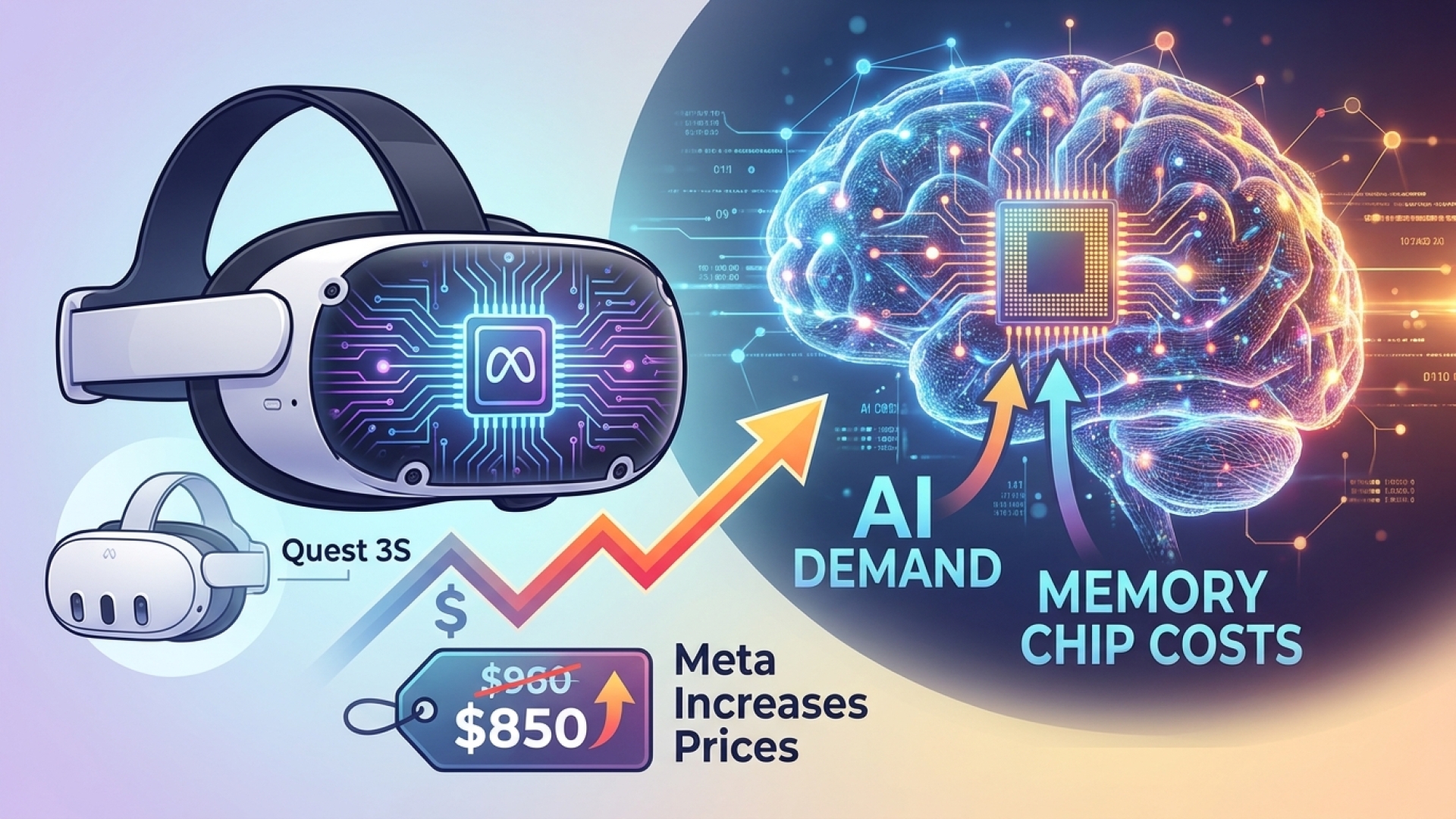
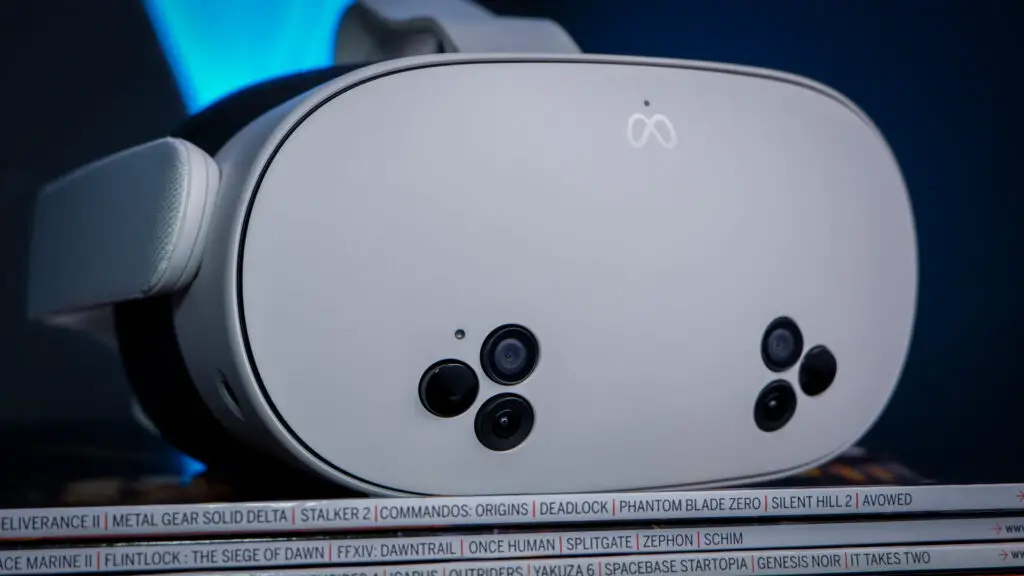
In a move that signals the growing pressure on the global hardware supply chain, Meta has announced a significant price hike for its current lineup of virtual reality headsets. Both the Meta Quest 3 and the more recently released Meta Quest 3S will see their retail costs climb, a decision the company attributes to the skyrocketing prices of essential components—most notably, memory chips.
As we navigate the intersection of Artificial Intelligence and consumer electronics, it is becoming clear that the surge in one sector often creates a bottleneck in another. Meta’s official statement highlights this reality: “The global surge in the price of critical components—specifically memory chips—is impacting almost every category of consumer electronics. To keep delivering the quality of hardware and support you expect, we need to adjust our pricing.”
A Breakdown of the New Pricing Structure
The updated pricing is scheduled to go into effect on April 19, 2026. For those in the United States, the premium Meta Quest 3 will see a substantial $100 increase. Meanwhile, both variants of the entry-level Quest 3S will jump by $50. International markets are not exempt; UK consumers can expect the Quest 3 to rise by approximately £81 from its current baseline.
| Headset Model | Region | Price Increase | Effective Date |
|---|---|---|---|
| Meta Quest 3 (512GB) | USA | $100 | April 19, 2026 |
| Meta Quest 3S (All Models) | USA | $50 | April 19, 2026 |
| Meta Quest 3 | UK | ~£81 | April 19, 2026 |
Why Memory Chips are Driving Costs Higher
The primary catalyst for this shift is the volatile semiconductor market. The explosion of AI acceleration has placed an immense strain on the production of DRAM and specialized memory modules. According to research from TrendForce, DRAM prices are projected to climb another 45-50% in the second quarter of 2026 alone.
Both the Quest 3 and 3S rely on 8 GB of LPDDR5 memory, a high-performance standard that has been hit particularly hard by supply constraints. Even legacy technologies like DDR4 and DDR3 are seeing price bloat as manufacturers pivot their production lines to satisfy the insatiable hunger of the AI sector.
Meta’s Dual Role: Consumer and Competitor
There is a certain irony in Meta’s current predicament. While the company cites rising costs as the reason for the price hike, it is also one of the leading drivers of that very demand. To stay competitive in the machine learning and AI landscape, Meta plans to invest a staggering $135 billion into its data center infrastructure throughout 2026.
By gobbling up a massive share of the world’s memory and GPU resources for its own servers, the tech giant is inadvertently making it more expensive to manufacture its consumer-facing 3D gaming and VR hardware. It is a feedback loop where the pursuit of software intelligence is taxing the affordability of physical hardware.
Strategic Pivots and the Future of Reality Labs
The timing of these increases coincides with a broader strategic shift within Meta. After years of multi-billion dollar losses in its Reality Labs division, the company has begun recalibrating its focus. The recent removal of Meta Horizon Worlds from the Quest store on March 31 suggests a move away from the “Metaverse-first” narrative toward an “AI-integrated” future.
Despite these changes, Meta insists its dedication to the VR ecosystem remains firm. “We have a long-term roadmap full of new hardware and experiences,” the company stated, framing the price adjustment as a necessary step to ensure the platform’s sustainability. For developers and tech enthusiasts, this serve as a reminder that the cost of staying at the cutting edge of digital innovation is often subject to the whims of the global supply chain.
For more deep dives into the latest tech trends and hardware analysis, stay tuned to Digital Tech Explorer.