
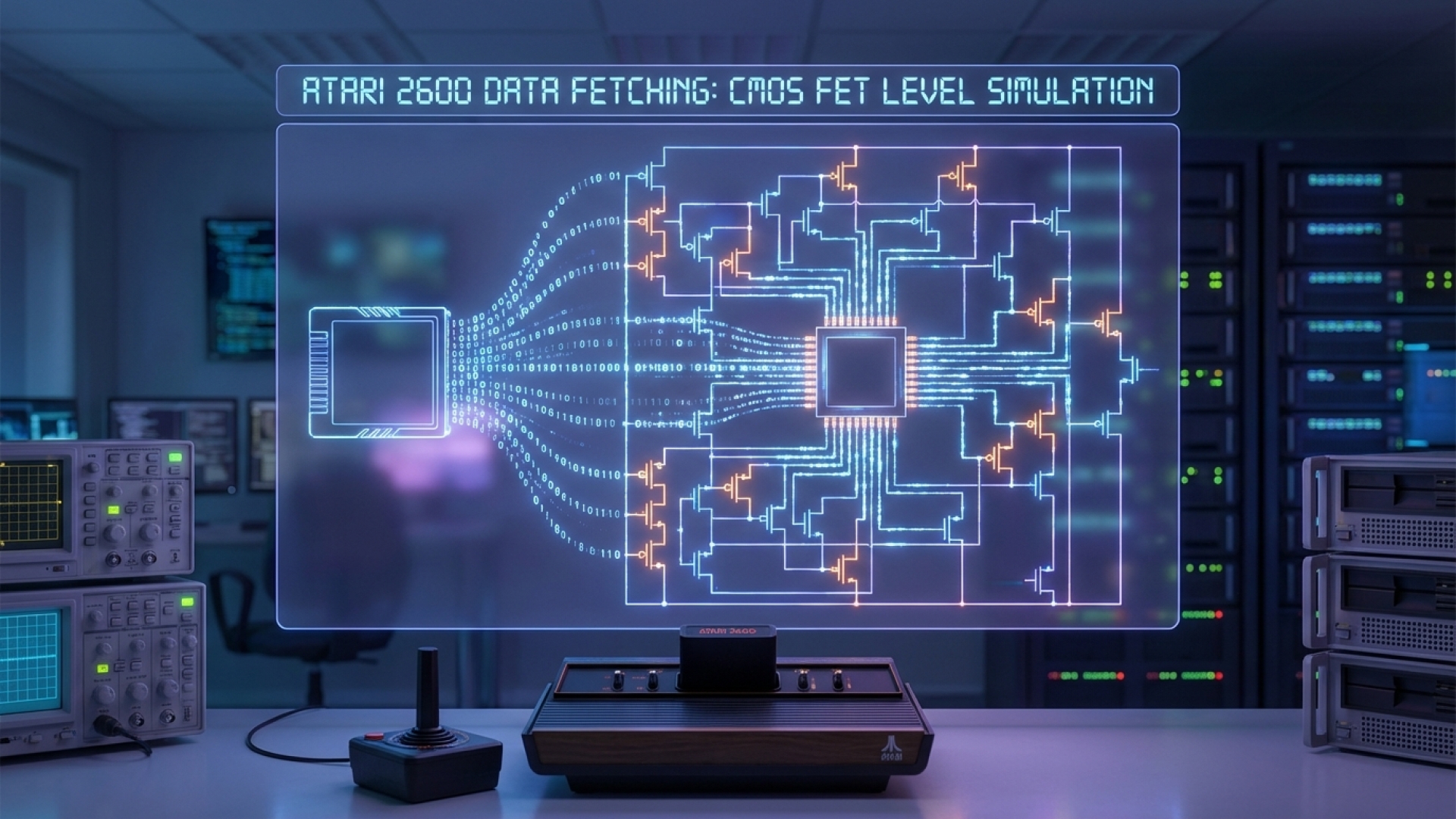
If you have ever wanted to witness the rhythmic pulse of a nearly 50-year-old computer as it fetches data, you are in for a treat. At Digital Tech Explorer, we love seeing how legacy hardware intersects with modern simulation techniques. Recently, a talented designer brought the inner workings of a classic console to life in a way that is as educational as it is aesthetically stunning.
Unveiling the Atari 2600 Data Fetch Simulation
Designer Alex Mordvintsev (known as @zzznah on X) recently shared a captivating clip showcasing a simulation of an Atari 2600 interacting with ROM at the CMOS FET level. For those of us who appreciate the granular details of hardware, this simulation is a masterclass in digital storytelling. It tracks the movement between circuits at a microscopic level, offering a rare look at the electronic “nervous system” of a console that defined an era.

The Technology Behind the Simulation
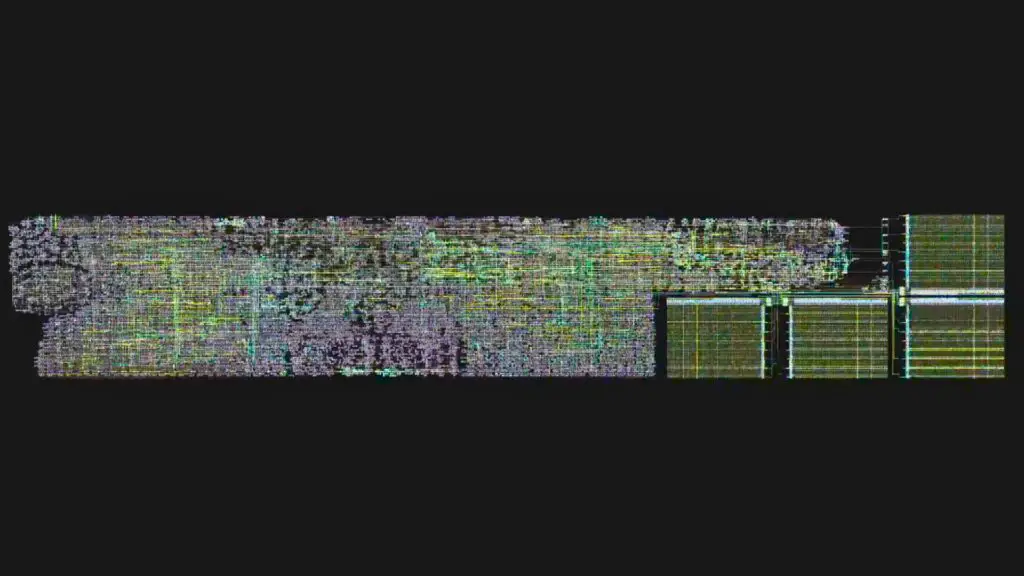
This intricate project is built upon the TT09 Atari circuit from Tiny Tapeout. For the uninitiated, Tiny Tapeout is an innovative platform that makes custom chip design accessible through community feedback and open-source models. By leveraging these foundational designs, Mordvintsev was able to map the precise flow of data across the silicon.
In the spirit of making technology accessible—a core mission here at Digital Tech Explorer—Mordvintsev has indicated that a testable version of this simulation is currently in development. Soon, tech enthusiasts and developers may be able to run these simulations themselves, exploring the architecture of vintage chips with modern precision.
A Look Back at the Atari 2600 Specifications
To truly appreciate the simulation, we have to look at the hardware that started it all. Launched in 1977 for just under $200 (roughly $1,000 today), the Atari 2600 was a marvel of its time, despite having specs that would seem impossible to work with by today’s standards.
| Component | Specification |
|---|---|
| CPU | MOS Technology 6507 (8-bit @ 1.19 MHz) |
| RAM | 128 Bytes |
| Storage Media | ROM Cartridges |
| Initial ROM Size | 2 KB |
Evolution of Game Cartridges and Bank Switching
While the initial launch titles for the console utilized 2KB ROMs, developers eventually hit a technical ceiling. To overcome the 4KB addressing limit of the 6507 CPU, the industry turned to bank switching. This clever engineering trick allowed the console to swap different segments of ROM into the same memory space, eventually enabling games to reach sizes of up to 64KB. It is these very “fetches” and swaps that the simulation visualizes so beautifully.
Reflecting on Technological Progress
As a storyteller in the tech space, I find that looking back at 48-year-old hardware provides vital context for where we are today. While we are currently focused on AI acceleration and 8K resolution, the fundamental logic of data movement remains the same. Seeing the rapid, intricate strands of data in this processor simulation reminds us of the foundational complexity that underpins every device in our pockets today.
Projects like these bridge the gap between complex engineering and visual art, helping us appreciate the monumental strides the tech industry has made over the last half-century.
For more insights into digital innovation and the stories behind your favorite hardware, stay tuned to Digital Tech Explorer.