
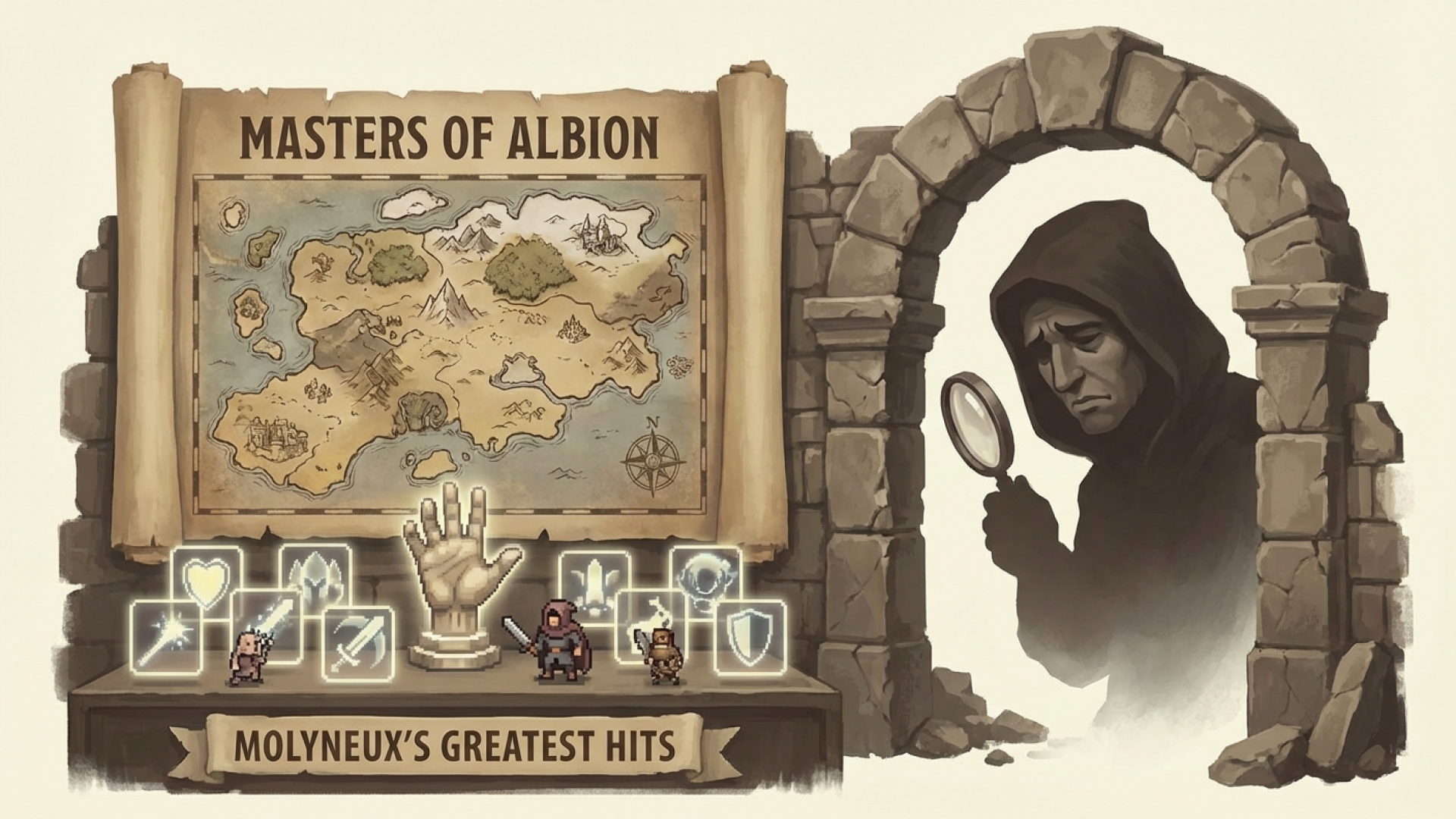
At Digital Tech Explorer, we’ve tracked the evolution of digital innovation for years, and few names spark as much conversation as Peter Molyneux. After a period of experimental ventures that left many fans skeptical, the industry veteran appears to have recalibrated. In a refreshing turn for the upcoming title Masters of Albion, the focus has shifted away from controversial 2010s trends like AI-driven NFTs or “play-to-earn” mechanics. Instead, Molyneux and the team at 22cans are looking backward to move forward, drawing heavy inspiration from the golden era of PC games like Fable, Black & White, and Dungeon Keeper.
Set to launch on Steam Early Access on April 22, Masters of Albion feels like a curated “greatest hits” collection of god-game mechanics. As TechTalesLeo, I’ve seen many “spiritual successors,” but this project aims to blend diverse genres—city-building, RPG exploration, and tower defense—into a single cohesive ecosystem. Let’s dive into how these systems actually interact.
Divine Management: City-Building and Economic Depth
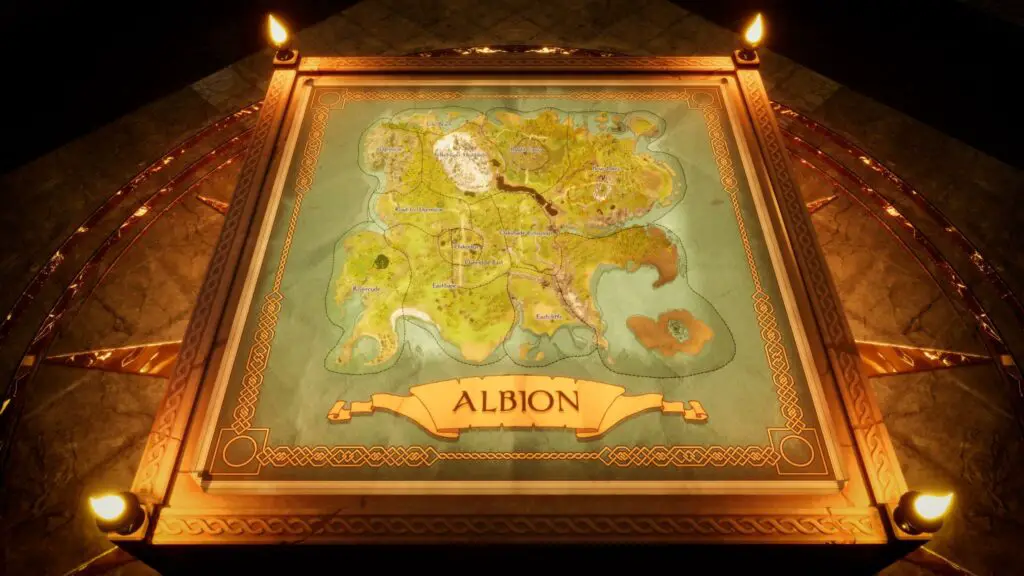
The core gameplay loop reintroduces the iconic “anonymous sky hand,” a signature element of Lionhead’s legacy. This god-like cursor allows you to manipulate the environment directly—clicking, dragging, and dropping villagers or objects to manage the economy of settlements like Oakridge. Unlike traditional RTS games, the simulation here is granular. You aren’t just placing a “food” building; you are managing a supply chain from wheatfields to mills.
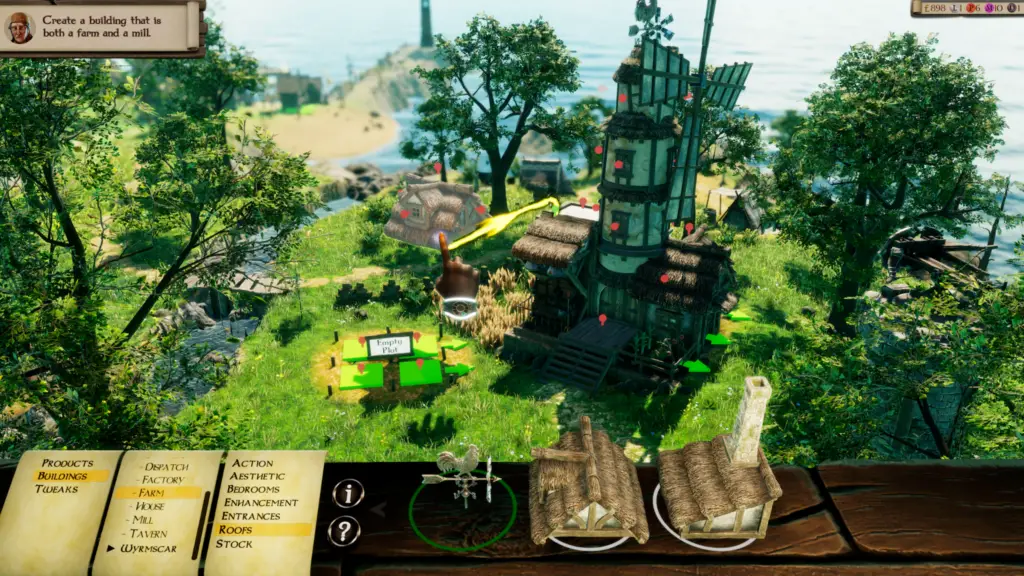
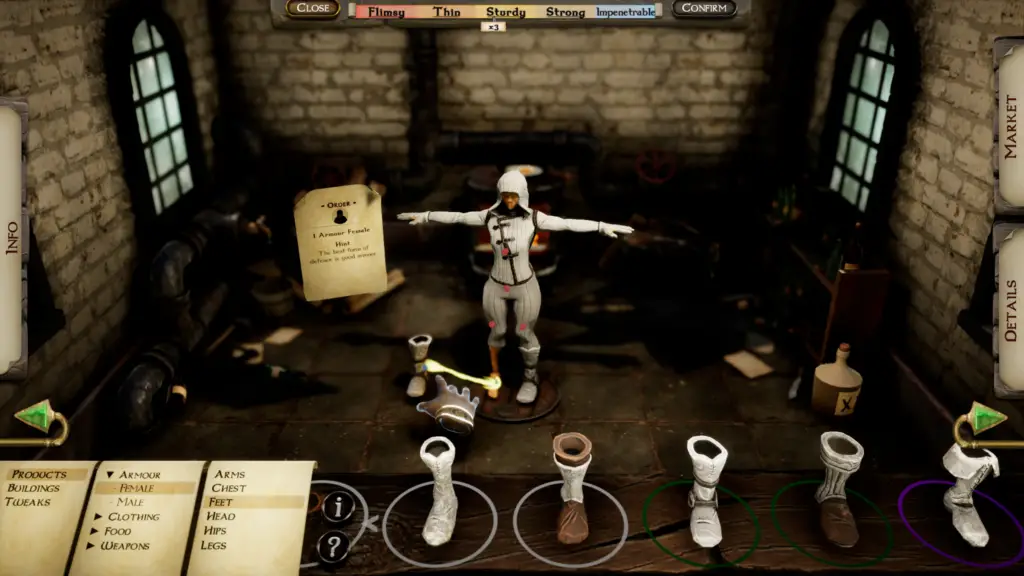
One of the most intriguing software-driven innovations is the crafting minigame. When a villager requests supplies, you enter a design mode where you can customize recipes and equipment. For example, a simple pie can be enhanced with various ingredients—even rat meat—to meet specific nutritional or economic demands. This extends to weaponry, where players can modify hilts, pommels, and blade lengths. While Molyneux suggests this deep customization is optional for those who prefer a faster pace, it represents the primary way players can “revolutionize” their infrastructure.
Core Features at a Glance
| Feature | Inspiration | Key Mechanic |
|---|---|---|
| God Perspective | Black & White | “Sky Hand” interaction for moving people and objects. |
| Hero Exploration | Fable | Direct possession of a hero to explore dungeons and fight bandits. |
| City Defense | Dungeon Keeper | Building walls and turrets to survive nightly phantom attacks. |
| Crafting System | New Innovation | Granular design of food, weapons, and architectural modules. |
From Divinity to Ground-Level Action
Since your divine hand is geographically tethered to specific regions, exploration requires a more personal touch. By summoning and possessing a hero, the game transitions into a third-person action RPG reminiscent of Fable. This allows you to step away from the overhead management to discover collectibles, navigate dungeons, and solve environmental puzzles. These sessions are critical for expansion, as heroes must locate and activate “beacons” to extend your god-hand’s reach into new territories.
While the gaming community has seen varied combat systems in 2024, the fighting in Masters of Albion currently feels straightforward and accessible. The primary goal of these sequences isn’t just combat; it’s about rebuilding the world. Once a beacon is lit, the “god hand” can once again begin repairing and managing the newly unlocked region.
Surviving the Night: Strategic Defense
The pace shifts dramatically during the “night” phase. While the day is reserved for economic expansion, the night introduces a survival element where phantoms and “spooks” lay siege to your town. This forces a transition into a tactical defense mode. You can construct walls and medieval turrets, and even use your god powers to cast lightning bolts or toss environmental objects at enemies.
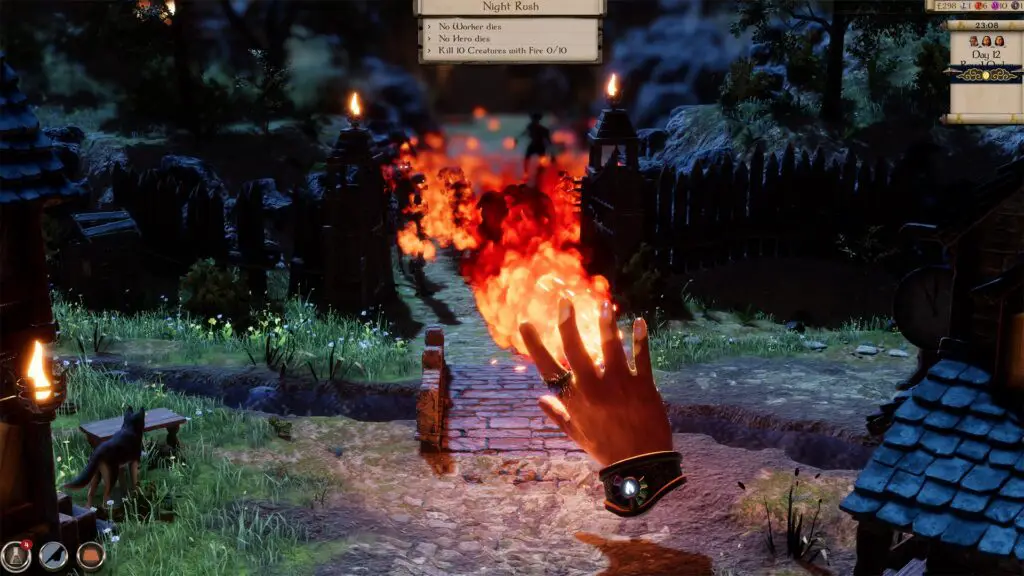
The flexibility of the engine allows you to reposition turrets mid-battle, offering a forgiving but strategic experience. For veteran players looking for a challenge, the depth lies in fulfilling optional objectives—such as protecting specific structures or achieving kill streaks—which requires more meticulous daytime planning.
The Digital Tech Explorer Verdict
Masters of Albion is an ambitious attempt to synthesize decades of game design philosophy into one package. By allowing players to “play at any pace,” it caters to both casual city-builders and those who enjoy direct RPG combat. However, the risk of a “greatest hits” approach is that the game may lack the specialized depth found in the original titles it honors.
Whether the crafting system and the interplay between the god-hand and hero exploration can provide a lasting hook remains to be seen. For tech enthusiasts and fans of classic PC strategy, this is certainly a title to watch as it enters early access. It represents a return to form that prioritizes gameplay over buzzwords, and at Digital Tech Explorer, we believe that is always a step in the right direction.
Disclaimer: All content on Digital Tech Explorer is for informational and entertainment purposes only. We do not provide financial or legal advice.
Affiliate Disclaimer: Some of the links on Digital Tech Explorer are affiliate links. This means we may earn a commission if you click through and make a purchase, at no additional cost to you. Our recommendations are based on thorough research and personal experience.