

For the latest refresh of the Arrow Lake-based desktop processor lineup, Intel has introduced a duo of compelling chips. While many eyes are on the high-end Core Ultra 7 270K Plus, there is another standout story: the $199 Core Ultra 5 250K Plus. Don’t let the “budget” price tag fool you; this processor delivers performance that consistently punches into the Ultra 7 weight class, offering some of the best value for money we’ve seen in recent hardware releases.
Given its placement in the stack, the most natural comparison is with the Core Ultra 5 245K, which debuted in late 2024. While both chips feature six P-cores, Intel has expanded the 250K Plus by adding four additional E-cores, bringing the total to 18 cores and 18 threads. At Digital Tech Explorer, we love seeing this kind of core density at the sub-$200 mark.
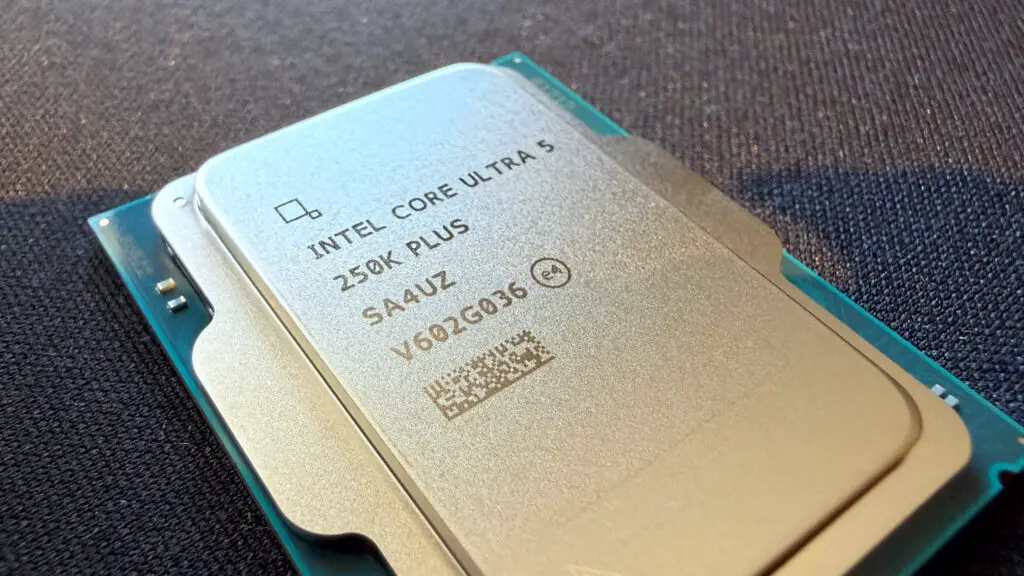
Intel’s internal restructuring and refreshed engineering philosophy are on full display here. The 250K Plus isn’t just a 245K with more cores; it features significant internal architectural tweaks designed to optimize data flow and reduce latency, setting a new benchmark for what mid-range gaming CPUs should look like.
Core Ultra 5 250K Plus Specifications
| Feature | Specification |
|---|---|
| Cores (P+E) | 8+12 |
| Threads | 18 |
| Base Clock (P-core) | 4.2 GHz |
| Boost Clock (P-core) | 5.3 GHz |
| L3 Cache | 30 MB |
| L2 Cache (Total) | 30 MB |
| Unlocked | Yes |
| PCIe Lanes | 24 |
| Integrated Graphics | Intel Graphics (4 Xe cores) |
| Memory Support | Up to DDR5-7200 |
| Processor Base Power | 125 W |
| Max Package Power | 159 W |
| MSRP | $199 / £199.99 |
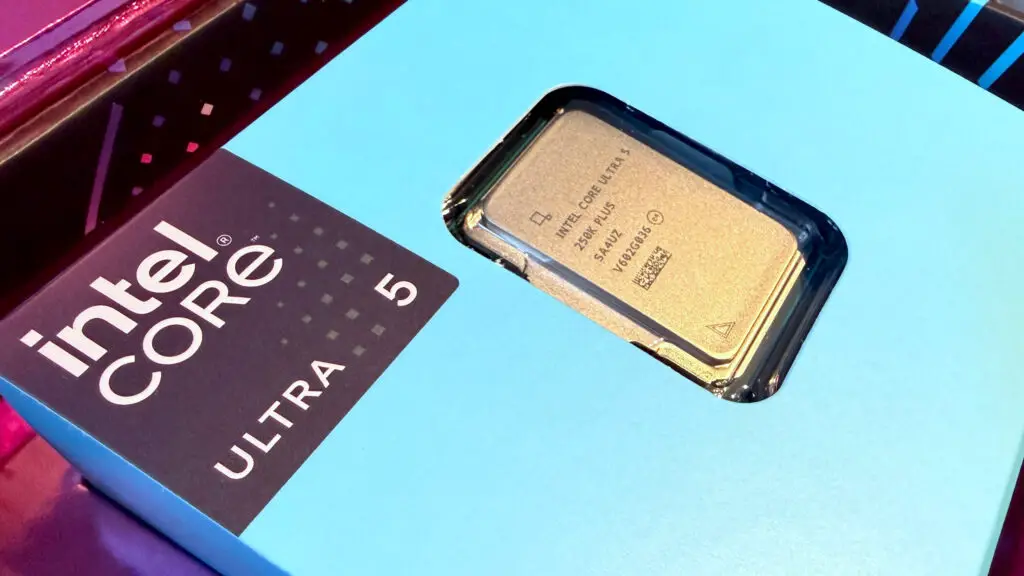
Technical enthusiasts will notice that while the P-core boost clock has received a modest 100 MHz bump to 5.3 GHz, the real magic is in the “unseen” numbers. The Die-to-Die (D2D) clock has been surged from 2.1 to 3.0 GHz. This critical clock manages the communication between tiles in the Arrow Lake architecture, meaning significantly lower data-arrival wait times. Furthermore, the NGU fabric clock and cache memory ring clock have both been increased, resulting in a chip that is fundamentally more responsive than its predecessor.
Digital Tech Explorer Test Bench
To ensure transparent and real-world results, we tested the 250K Plus using a standardized setup that represents a high-end mainstream PC build:
- Motherboard: MSI MEG Z890 Ace
- RAM: 32 GB Corsair Vengeance DDR5-6000 CL32
- Cooler: Thermalright Peerless Assassin 120 SE
- GPU: Zotac GeForce RTX 4070
- Storage: Corsair MP700 2 TB NVMe SSD
- PSU: Be Quiet! Pure Power 12 M 850 W

Gaming Performance Analysis
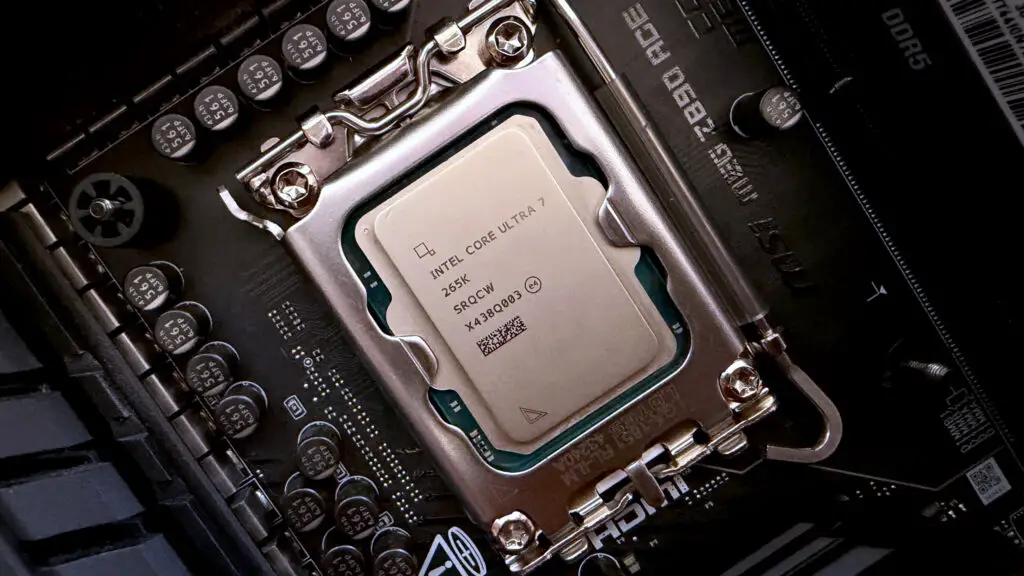
In standard gaming scenarios, the 250K Plus matches the more expensive Core Ultra 7 265K. In titles like Metro Exodus Enhanced Edition and Total War: Warhammer 3, the performance across the Ultra range is nearly indistinguishable, showing that this $199 chip is not bottlenecking high-end GPU performance.
The faster internal fabric shines in CPU-intensive titles. Baldur’s Gate 3 saw a 9% average performance increase over the 245K. Even more impressive is Cyberpunk 2077; while the average frame rate only rose by 3%, the 1% lows—which dictate how smooth a game actually feels—improved by a staggering 11%. While high-end AMD X3D chips still lead in raw frame counts, they do so at a much higher price point.
Content Creation & Productivity
TechTalesLeo always looks for the “all-rounder” potential, and the 250K Plus delivers. With its 18-thread support, it excels in AI-assisted photo editing, video rendering, and code compiling. For professionals on a budget, this chip offers multithreaded performance that is currently unmatched in the $200 price bracket by either Intel or AMD.
Power and Thermal Efficiency
The trade-off for this increased performance is power draw. The 250K Plus pulls slightly more wattage than the 245K, peaking briefly at 170 W in heavy synthetic benchmarks. However, in typical gaming scenarios, the difference is negligible (around 8 Watts). Most importantly, the chip remains easy to cool; a standard $40 air cooler is sufficient to keep temps under 70°C, avoiding the need for expensive liquid cooling setups.
Final Verdict: A New Mid-Range King?
The Core Ultra 5 250K Plus is a rare win for the budget-conscious enthusiast. It provides performance that nips at the heels of much more expensive hardware while remaining accessible.
Pros:
- Unbeatable value for money at $199
- Excellent 1% lows in gaming
- Superior multithreaded performance for content creators
Cons:
- Slightly higher power peak than the 245K
- LGA 1851 socket lifecycle is limited
- Core Ultra 7 265K is a tempting step up for heavy rendering
Is it better than the Ryzen 5 9600X? In terms of raw core count and versatility, yes. While AMD offers a strong upgrade path on the AM5 socket, Intel’s 250K Plus provides more immediate “out-of-the-box” power for the price. If you are building a system today and plan to use it for several years without swapping parts, this 18-core beast is arguably the most sensible choice on the market.
At Digital Tech Explorer, we believe in technology that serves the user without breaking the bank. The Intel Core Ultra 5 250K Plus fits that mission perfectly, bridging the gap between high-end professional needs and everyday gaming usability.