
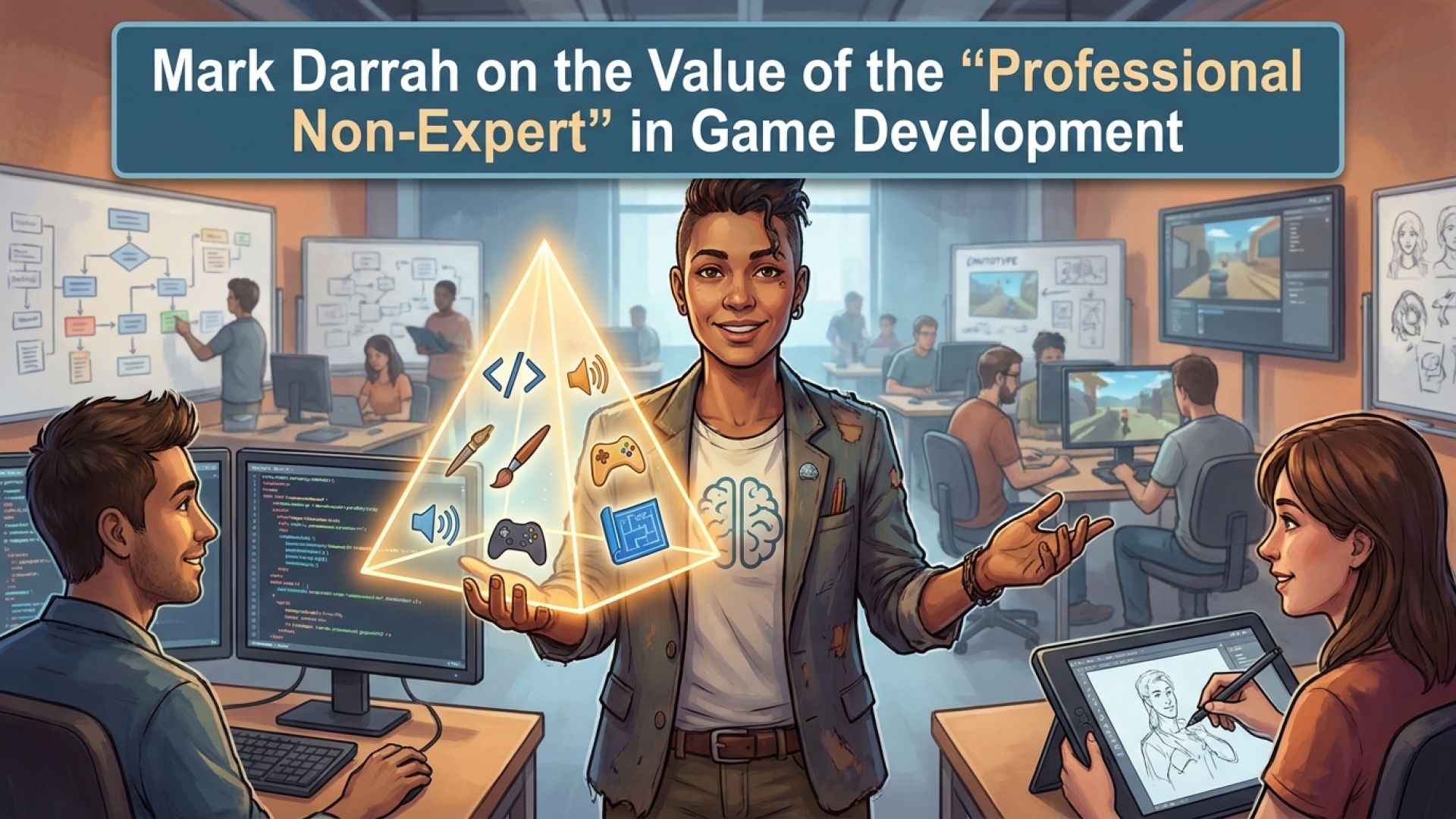
In the high-stakes world of game development, success is often measured by the collective brilliance of specialized experts. From engine architects to narrative designers, every cog in the machine is tuned for precision. However, Mark Darrah, the veteran former producer at BioWare, suggests that even the most elite teams need one specific addition to the roster: a “professional non-expert.”
In a thought-provoking video titled “Have an Idiot at the Table,” Darrah breaks down why having a layman’s perspective during high-level design discussions isn’t just helpful—it’s essential for survival. At Digital Tech Explorer, where we bridge the gap between complex software engineering and everyday usability, this concept resonates deeply with our mission of making technology accessible to everyone.
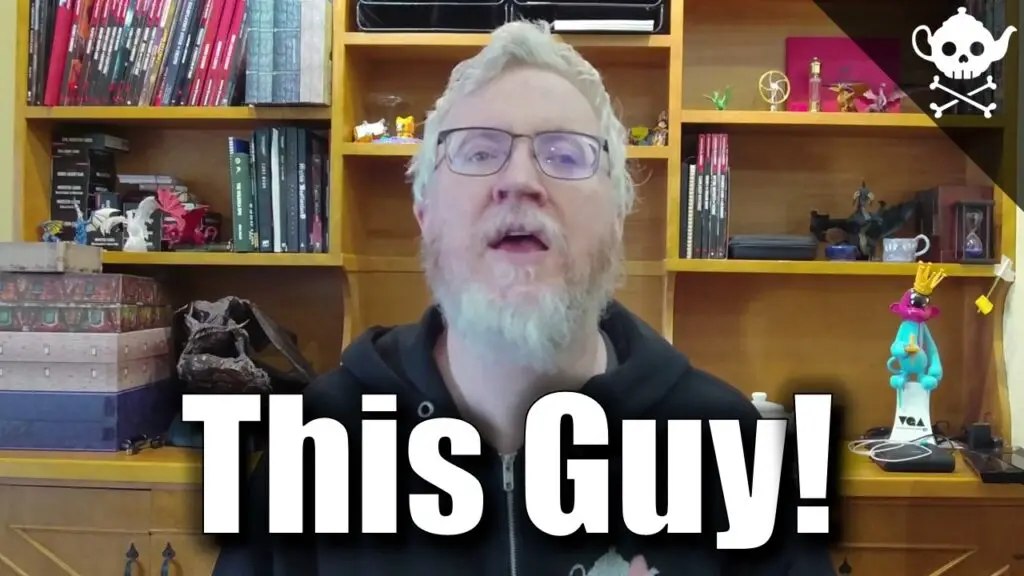
The Power of the “Professional Non-Expert”
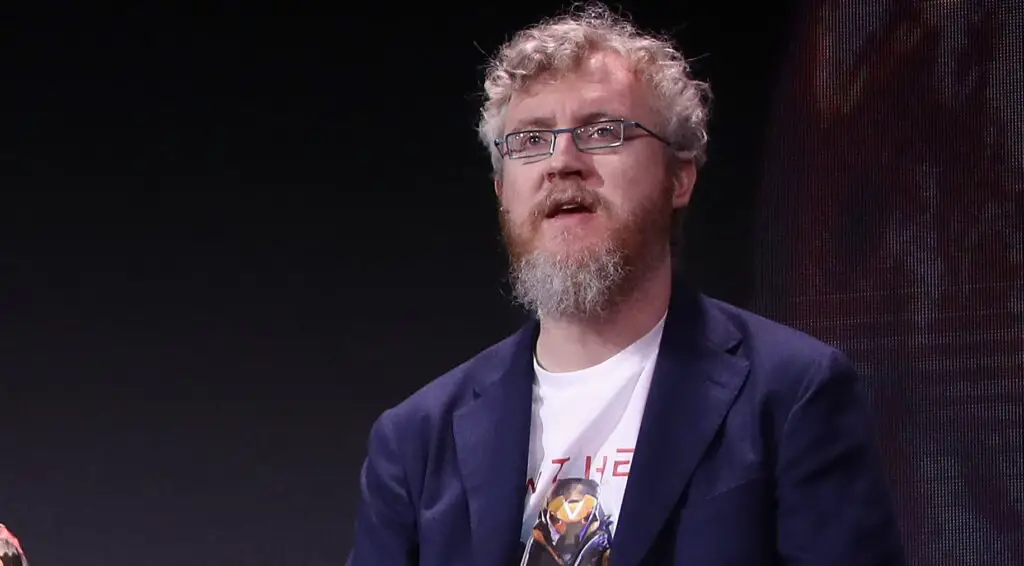
Mark Darrah’s resume is legendary, spanning his time as executive producer on the Dragon Age series and his work on Anthem. Yet, he openly admits that his most valuable contribution often came from acting as the “idiot” in the room. By leaning into areas where he lacked technical mastery—such as audio engineering or specific 3D art pipelines—he was able to provide a grounded perspective that experts often overlook.
This “professional non-expert” acts as a proxy for the end-user. When developers are deep in the weeds of AI acceleration or 4K resolution optimization, they can lose sight of the core player experience. Darrah’s presence served to anchor those creative impulses, ensuring the final product remained intuitive rather than just technically impressive.
Breaking the Expert Echo Chamber
One of the most significant risks in software and game development is the “insular feedback loop.” When a group of specialists discusses a project, the conversation can quickly become too nuanced for the general public to follow. Darrah describes this as a situation where the discussion “starts to eat its own tail.”
Whether it’s a programmer fixating on a micro-optimization or a writer building layers of lore that require a PhD to understand, the lack of a layman’s voice can lead to a product that feels alienating. This is particularly relevant in the world of PC games and RPG design, where complexity is often mistaken for depth.
| The Specialist’s Focus | The “Idiot’s” Perspective | Outcome of Collaboration |
|---|---|---|
| Intricate mechanics and systems | “Is this actually fun to play?” | Grounded, engaging gameplay |
| Dense lore and world-building | “Do I understand what’s happening?” | Relatable and clear narratives |
| High-fidelity visual minutiae | “Does this look good to the eye?” | Visually impactful art direction |
As TechTalesLeo, I’ve seen this play out in many digital innovations. When a developer creates a tool but forgets the person using it, the technology fails to reach its potential. The “idiot at the table” ensures that the core message of the game—the “why” behind the play—isn’t buried under layers of technical “how.”
The Art of Knowing When to Speak
However, being the “idiot” isn’t a license to be disruptive. Darrah is quick to point out that this role requires immense self-awareness. The goal isn’t to override the experts or dominate the conversation with uninformed opinions. Instead, it’s about identifying when the project has gone “too sicko mode”—a term for when a feature becomes so specialized it loses its broader appeal.
A successful non-expert knows when to stay silent and let the professionals work their magic. They act as a signal flare, popping up only when the direction feels lost or overly complicated. Without this restraint, a non-expert becomes a bottleneck, causing the team to dread their involvement rather than value their insight.

At Digital Tech Explorer, we believe that the best hardware and software are born from this tension between technical mastery and user-centric simplicity. Whether you are building the next Minecraft or a complex blockchain solution, remember Darrah’s advice: sometimes, the most intelligent thing you can do is have an “idiot” at the table to keep your project human.
For more stories on digital innovation and the latest tech news, stay tuned to the TechTalesLeo author page. We’re here to help you navigate the ever-evolving landscape of technology with transparency and real-world testing.