At Digital Tech Explorer, we love diving deep into the intersection of art and software engineering. A standout highlight in the recent Noclip documentary series is Aleksander Rostov, the visionary art director behind Disco Elysium. His insights feel like a real-world manifestation of the game’s “Actual Art Degree” thought cabinet project. In the latest episode dedicated to the game’s aesthetic, Rostov explores the technical and creative philosophies that turned a complex RPG into a living, breathing canvas.
Designing a Game as a Living Painting
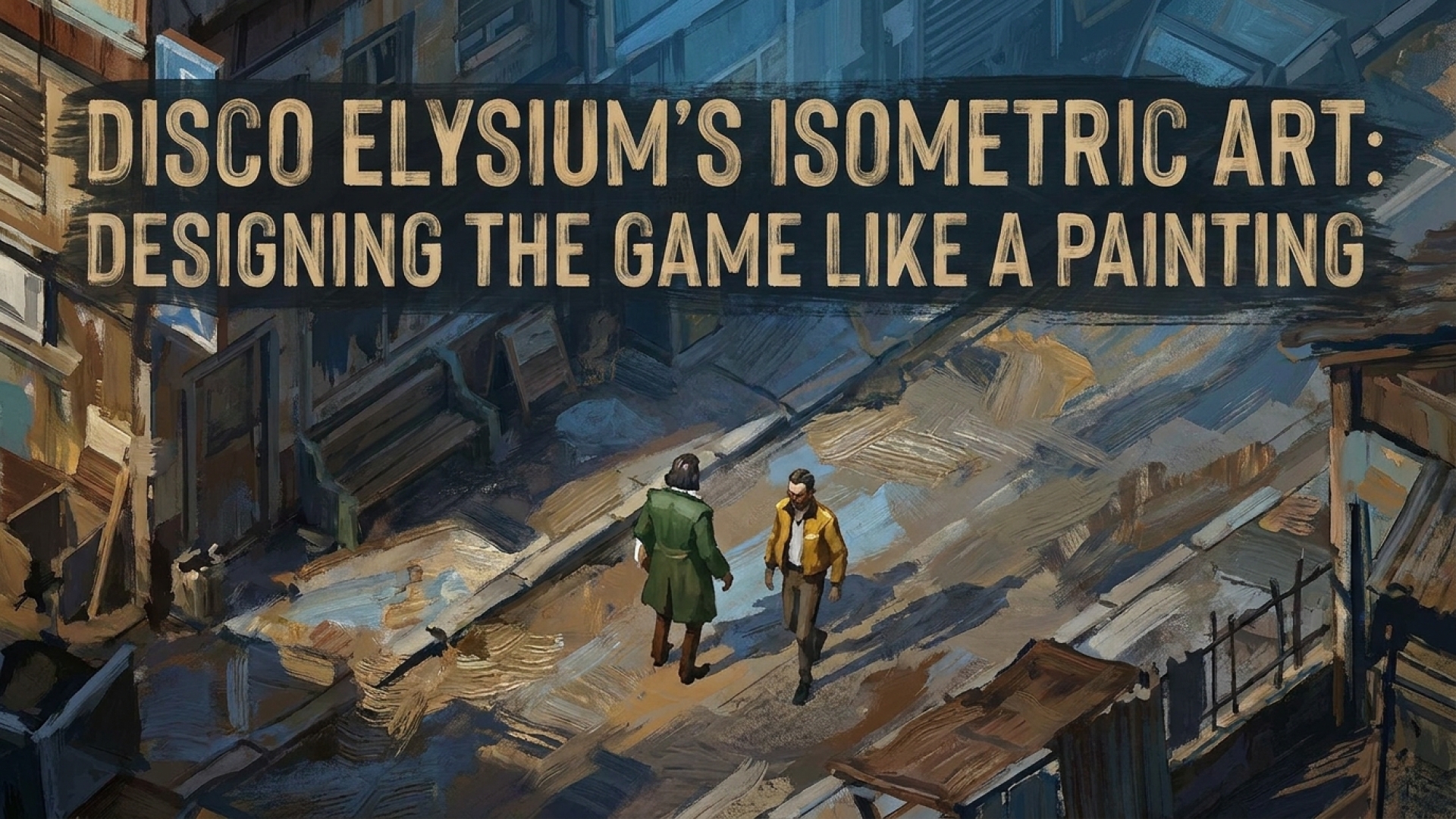
One of the most compelling aspects of the documentary is Rostov’s explanation of why the team chose to stick with the traditional isometric perspective despite bucking so many other CRPG conventions. “The isometric image is wonderful in that it is flat,” Rostov explains. By avoiding the complexities of a multi-viewpoint 3D environment, the team could treat the entire game world as a single, cohesive painting. This approach allowed for a level of visual intentionality rarely seen in modern gaming. Technical artist Siim Raidma highlights a surprising influence: a development video from Obsidian’s Pillars of Eternity. This technical breakdown served as the “ground zero” for the look of Martinaise. Rostov and his team took these fundamentals of isometric rendering and infused them with modern art theory, bridging the gap between legacy software techniques and high-concept digital illustration. “You just plug the painterly knowledge into it,” Rostov says. By applying classical techniques—guiding the eye through contrast, texture, and motion lines—the artists could manipulate the player’s focus. This meticulous attention to the isometric image ensures that even the most complex scenes remain readable and emotionally resonant for the player.Artistic Narrative and Environmental Storytelling
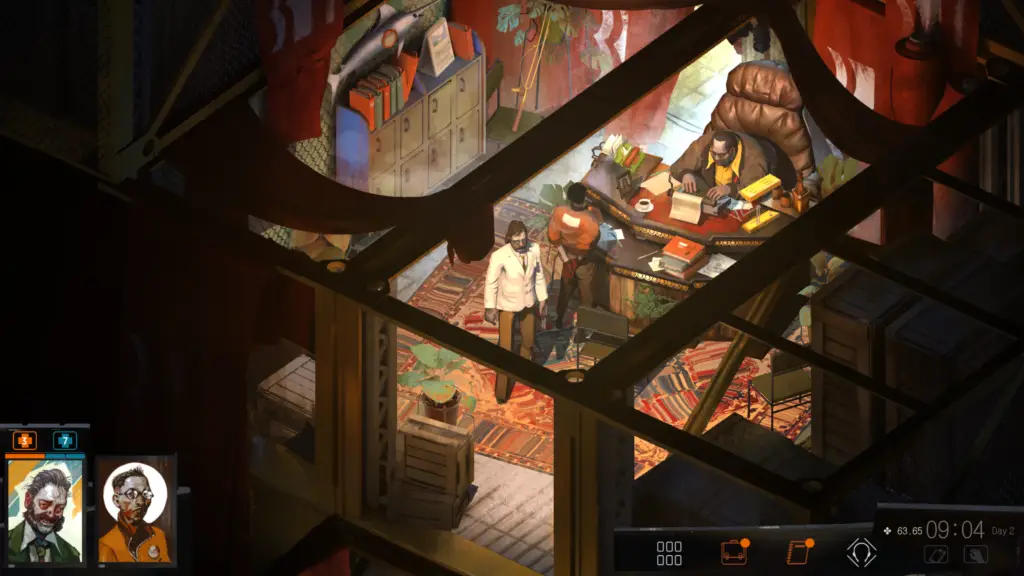
The documentary also sheds light on the work of Kaspar Tamsalu, who managed location concept art and specific dialogue frames. Tamsalu, bringing a background in comic book art, used framing to dictate the power dynamics of an encounter. For example, when meeting the union boss Evrart Claire, the environment is literally designed to trap the player’s perspective, forcing the eye upward to emphasize Claire’s dominance within his container-office.