

Lost Wiki: Kozlovka Review — A Masterclass in 90s Digital Detective Work
By TechTalesLeo Never trust a tree with a name like “Draken Oak.” That is the primary takeaway from Lost Wiki: Kozlovka, a captivating investigative experience that feels like a cross between a software bug hunt and a cold-case file. Here at Digital Tech Explorer, we love software that tells a story, and this title uses the framework of a legacy database to weave a narrative that is as eerie as it is nostalgic. Set in the 1990s, you step into the shoes of a journalist assigned to dig into the secrets of Kozlovka. What starts as a standard piece on local folklore quickly evolves into a deep-dive investigation into a town defined by the mysterious “Draken Oak.” As you navigate the UI, you realize this isn’t just about a tree—it’s a story of generational deceit that eventually reveals a shocking connection to your own character’s history.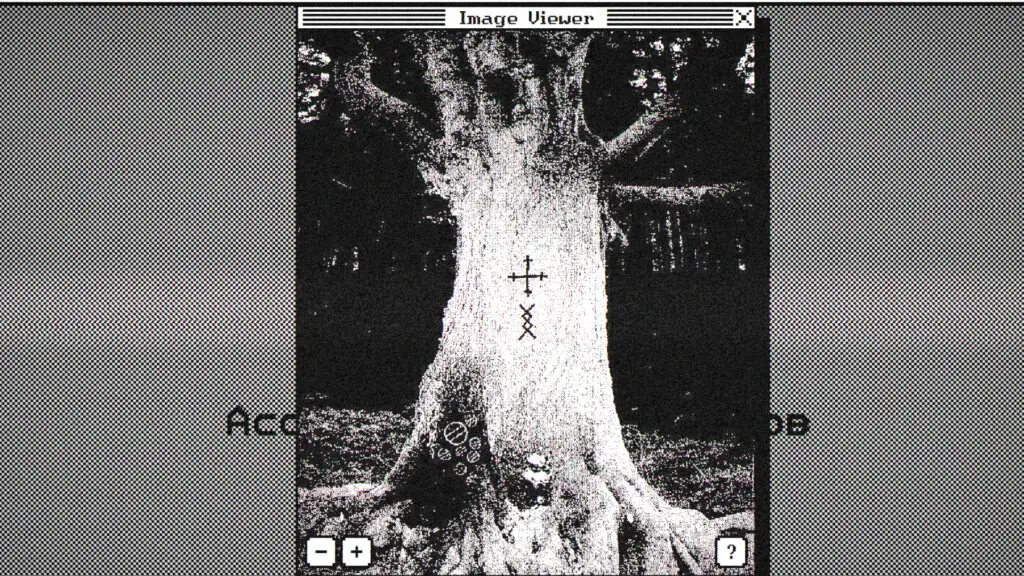
Logic-Based Gameplay: Debugging the Past
For fans of gaming sub-genres that prioritize deduction over reflexes, Lost Wiki: Kozlovka will feel familiar. It draws heavy inspiration from acclaimed titles like The Case of the Golden Idol and The Roottrees are Dead. The core loop revolves around parsing database entries and populating official reports with the correct metadata. The challenge lies in your ability to reconstruct intricate family trees and verify complex timelines. By identifying relevant keywords and cross-referencing wiki-style articles, you slowly fill the “blanks” in the town’s history. It’s a satisfying mechanical process that mirrors the meticulous nature of real-world research and software documentation.| Feature | Details |
|---|---|
| Platform | PC (Steam) |
| Genre | Mystery / Puzzle / Database Investigation |
| Setting | 90s Retro Computing |
| Price | $5.00 |
Interface Design and Puzzle Logic
The game’s interface is its strongest asset. It utilizes a retro wiki navigation system, where hyperlinked text serves as your primary tool for discovery. While the sheer volume of data might seem daunting, the puzzles are designed to be accessible. Rather than punishing difficulty, the game rewards thoroughness and observation. One of the more intriguing narrative devices is the use of password-protected, redacted files. Unlocking these requires a keen eye for detail in the surrounding text and images. Beyond the gameplay, these files paint a cynical picture of government ineptitude, suggesting that the most dangerous secrets are often hidden in plain sight due to bureaucratic laziness.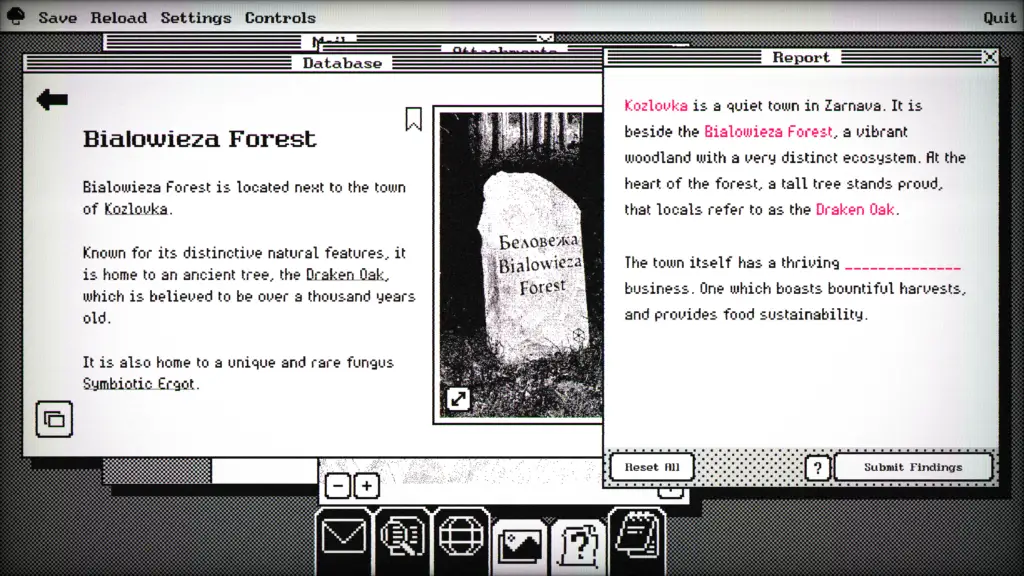
Atmosphere: A Love Letter to 90s Hardware
From a technical perspective, the “fuzzy” retro aesthetic is expertly executed, evoking the era of CRT monitors and early hardware limitations. This visual style is paired with a foreboding, atmospheric score that keeps the tension high as you dig through the digital archives. The mystery isn’t solved through text alone. Players must analyze blurry photographs, looking for recurring symbols and familiar faces. These visual artifacts often provide the “aha!” moment needed to link a name to a face, effectively bridging the gap between cold data and the human stories behind it.Final Verdict: Why It Matters
Beyond being one of the more unique PC games released recently, Lost Wiki: Kozlovka explores the profound theme of information control. It highlights the importance of archival sites like Wikipedia in an age where narratives are easily manipulated by those in power. While the puzzles may not stump seasoned cryptographers, the journey through the secrets of Kozlovka is consistently engaging. For just $5, it is an essential pick for anyone who enjoys digital detective work and atmospheric storytelling.Disclaimer: All content on Digital Tech Explorer is for informational and entertainment purposes only. We do not provide financial or legal advice. Some of the links on Digital Tech Explorer are affiliate links. This means we may earn a commission if you click through and make a purchase, at no additional cost to you.