
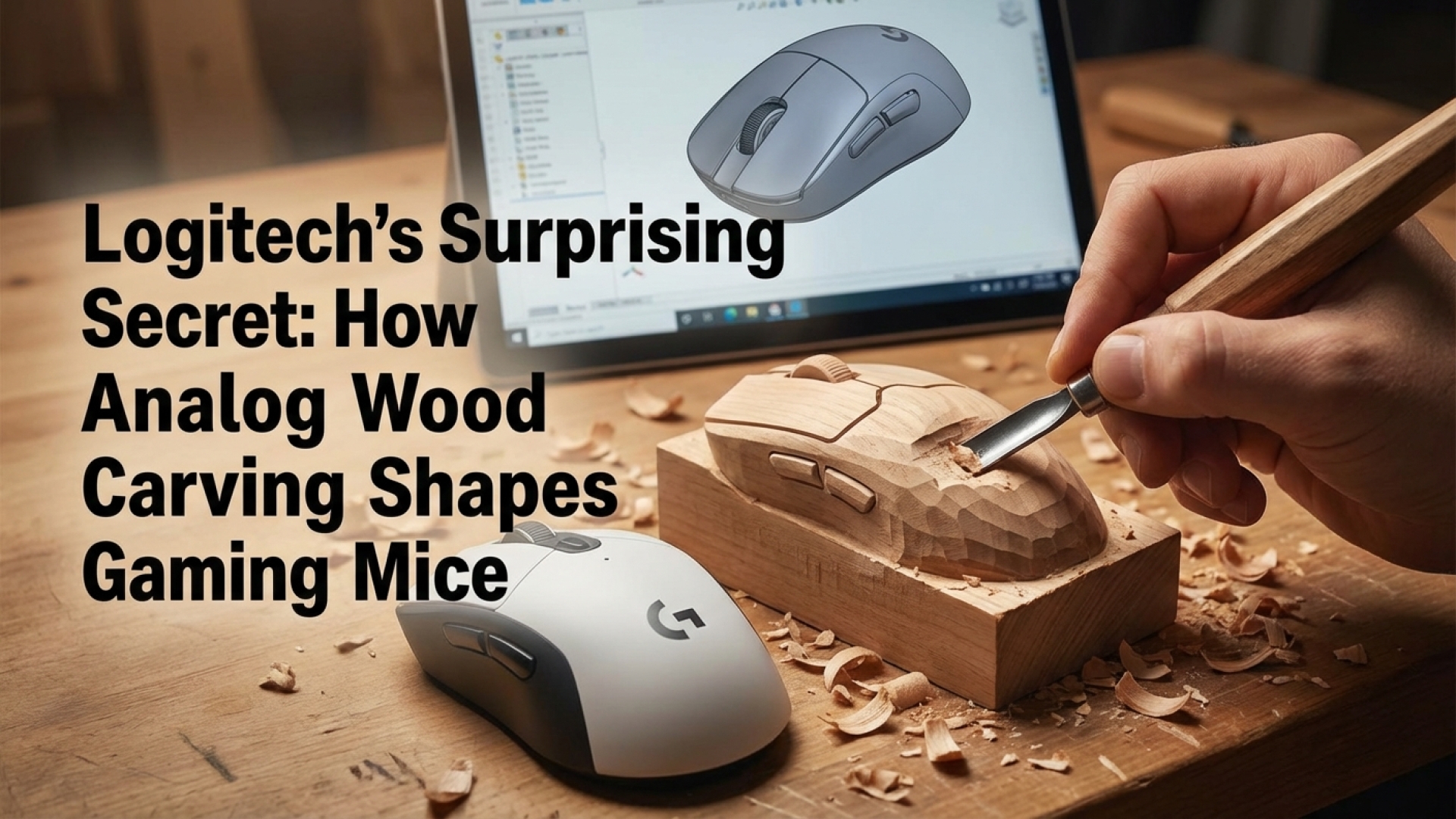
During a recent exclusive visit to Logitech HQ, a surprising revelation came to light amid the cutting-edge technology and sophisticated testing facilities. While observing innovations like giant antennas, padded Faraday cages, and automated mouse-swiping machines, it wasn’t the advanced gadgetry that captured my attention. Instead, it was a simple block of material that offered a unique glimpse into the gaming mouse design process, highlighting a perfect blend of traditional craftsmanship and modern hardware engineering.
This encounter provided deep insight into the development of industry-leading peripherals. From the tactile exploration of early concepts to the release of high-performance models like the Logitech G Pro X2 Superlight, the company’s philosophy bridges the gap between digital precision and human ergonomics.
The Analogue Approach: Why Wood?
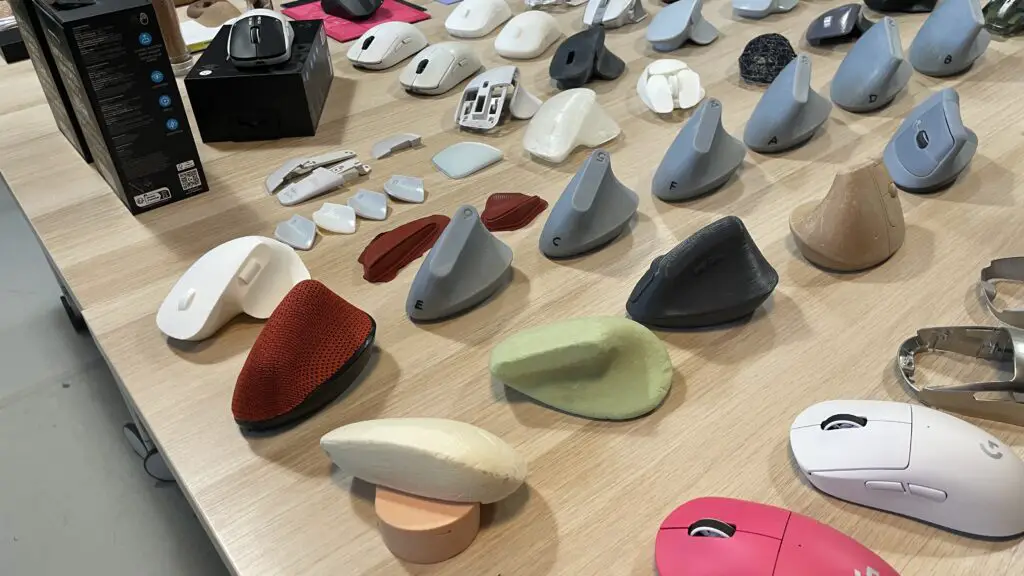
The block in question, identified as “chemical wood”—a material with plastic-like properties that remains suitable for physical sculpting—was found in Logitech’s design studio, surrounded by various half-finished prototypes. Its surface bore pencil marks and shavings, hinting at its integral role in the initial stages of product creation. According to Nick Jinkinson, head of industrial design at Logitech, beginning a mouse design with such a block is a foundational practice for the team.
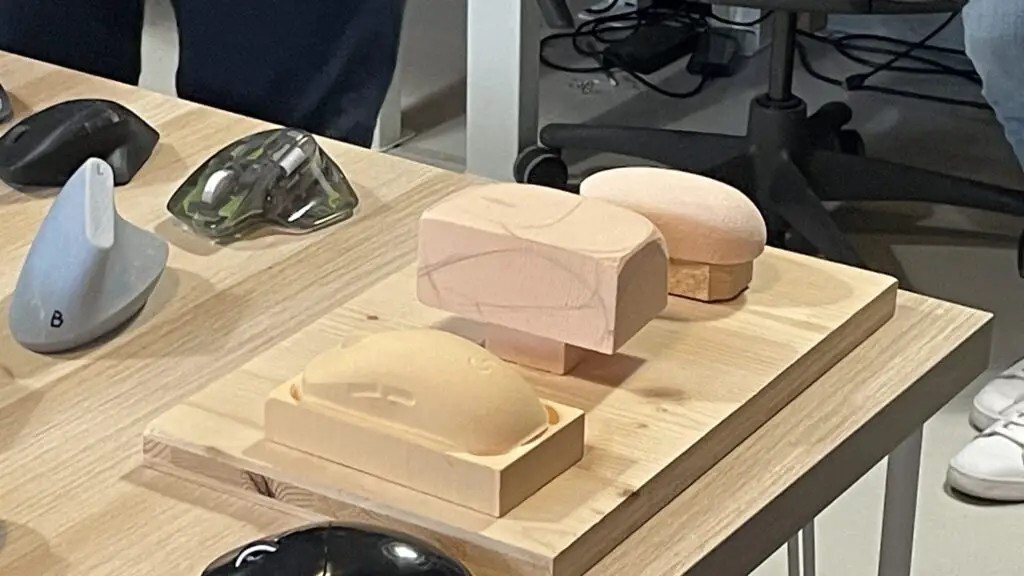
Jinkinson explains the rationale: “Our designers actually start quite a lot by hand… it’s kind of old school, it’s analogue, which we like. The reason for that is because, as a designer, you need to both see the shape you’re making, but also touch the shape you’re making. Because they’re handheld products at the end of the day.” This hands-on method stands in contrast to the industry’s reliance on CAD and 3D printing, though Logitech utilizes both to finalize their tech.
This analogue method is a staple for any new shape or ergonomic breakthrough. Designers sketch on a block, use a band saw to cut profiles, and then shave the shape by hand. The primary advantage, Jinkinson emphasizes, is its immediacy. “You can see it emerging in front of you, so you can fine-tune every angle, every bit, and it’s one-to-one size. That’s something software basically can’t replicate,” he notes.
This physical interaction fosters a deeper connection between the creator and the tool. Jinkinson believes it is vital for designers to possess these classic skills, such as judging form, proportion, and touch. By “hatching” the shape manually, the team becomes more invested in the final user experience.
However, this traditional skill set is becoming rarer. Many new designers entering the field are experts in CAD and on-screen visuals but lack experience in physical woodworking. Logitech views this as a critical skill for their specialized teams to acquire, ensuring that future PC gaming gear remains as comfortable as it is technologically advanced.
Logitech Design Process: Analog vs. Digital
| Design Phase | Method Used | Key Benefit |
|---|---|---|
| Ideation | Chemical Wood Sculpting | Instant tactile feedback and ergonomic testing. |
| Refinement | CAD & 3D Printing | High-precision adjustments and internal component mapping. |
| Validation | Automated Swiping & RF Testing | Ensures durability and wireless performance in real-world scenarios. |
From Concept to Creation: The Evolution of a Mouse
The journey from concept to a finished product was further illustrated by a display of several Logitech MX Master prototypes. These models, ranging from early, rough blocks to refined shells, showcased the iterative design process that has spanned years. Jinkinson pointed out one of the earliest models from 2015 that first “nailed the expression and the form,” serving as the ancestor to today’s high-end productivity tools.
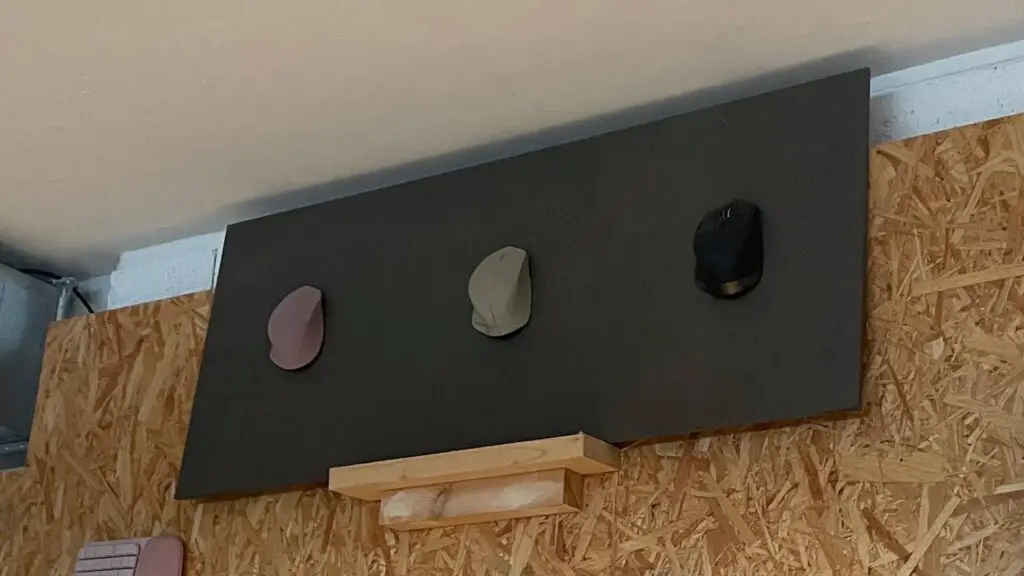
This display emphasized the tangible progression of design leading to modern iterations like the MX Master 3S and MX Master 4 series. These prototypes are cherished historical artifacts at Logitech, representing the intersection of human-centric design and digital innovation. For more insights into the latest tech trends and hardware deep dives, stay tuned to Digital Tech Explorer.