

In a significant development for the PC hardware community, memory specialist G.Skill has reached a $2.4 million settlement to resolve a class action lawsuit. The suit alleged that the company deceptively advertised the operating speeds of various DDR4 and DDR5 RAM kits over an eight-year period, spanning from January 2018 through January 2026. At Digital Tech Explorer, we closely follow these trends to ensure our readers—from hobbyist gamers to professional developers—can make informed decisions about their hardware investments.
The G.Skill Class Action Settlement Details
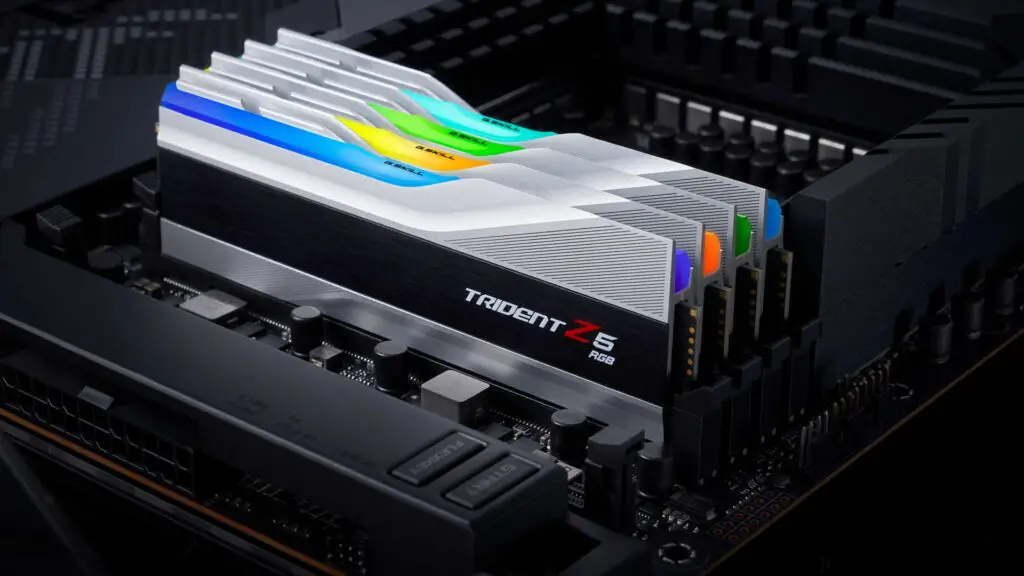
While G.Skill has agreed to the multi-million dollar payout, the company continues to deny any and all wrongdoing, opting for a settlement rather than a protracted legal battle. According to court documentation, the settlement covers individuals in the United States who purchased G.Skill DDR4 RAM or G.Skill DDR5 DRAM products (excluding laptop modules) between January 31, 2018, and January 7, 2026. The specific focus of the suit is on kits with rated speeds exceeding 2133 MHz for DDR4 and 4800 MHz for DDR5.
Eligibility and Payout Structure
As is common with class action settlements, the total $2.4 million fund will be divided among several parties before reaching the consumers. Approximately $295,000 is earmarked for administrative costs, while legal fees and expenses account for over $800,000. Additionally, “service awards” of up to $5,000 will be paid to the class representatives who initiated the case.
For those looking to submit a claim, the following table summarizes the key dates and requirements:
| Requirement | Details |
|---|---|
| Eligible Products | DDR4 (>2133 MHz) and DDR5 (>4800 MHz) Desktop RAM |
| Purchase Window | Jan 31, 2018 – Jan 7, 2026 |
| Claim Deadline | April 7 |
| Proof Required | Attestation for up to 5 products; documentation required for 6+ |
| Estimated Payment | 45 days after final court approval and appeals resolution |
The Core Dispute: Advertised vs. “Out of the Box” Speeds
The heart of the “deceptive advertising” claim lies in how memory speeds are communicated to the average consumer. Plaintiffs alleged they were led to believe that the high speeds printed on the box were “out of the box” defaults that required no manual intervention. However, as many enthusiasts in the hardware space know, achieving those top-tier speeds usually requires enabling XMP (Extreme Memory Profile) or EXPO (Extended Profiles for Overclocking) within the motherboard’s BIOS.
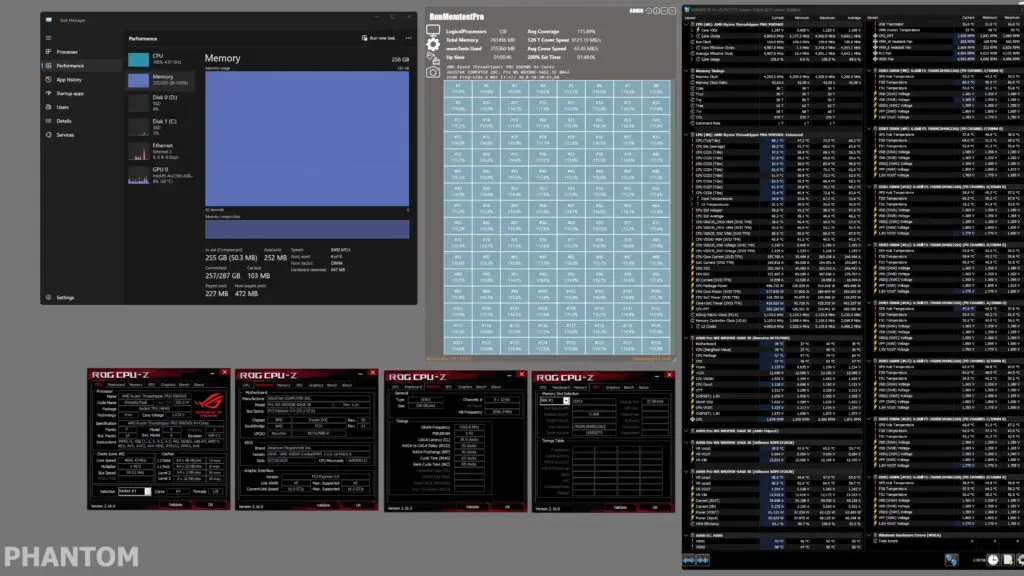
G.Skill maintains that its products were labeled appropriately, noting that actual performance depends on the interaction between the RAM, the motherboard, and the CPU. At Digital Tech Explorer, we often emphasize that high-speed memory performance is a “dark art” influenced by silicon lottery and system compatibility. To help developers and enthusiasts stay ahead, TechTalesLeo suggests always checking your motherboard’s QVL (Qualified Vendor List) before purchasing high-frequency kits.
Industry-Wide Changes to Packaging
As part of the settlement terms, G.Skill has committed to updating its packaging to prevent future confusion. New labels will feature the phrase “up to” before the advertised speed and include a clear disclaimer: “Requires overclocking/BIOS adjustments. Maximum speed and performance depend on system components, including motherboard and CPU.”
This shift toward transparency isn’t limited to G.Skill. A broader look at the current market reveals that most major brands are now using “tested speed” or “up to” terminology to mitigate legal risks. For the tech-savvy consumer, this serves as a reminder that peak performance often requires a bit of digital tinkering. If you are looking to optimize your rig, be sure to check our latest 2024 releases and hardware guides for more practical tips.
This report was compiled by TechTalesLeo for Digital Tech Explorer. All content is for informational and entertainment purposes only.