
I’ve been spending significant time recently with Logitech’s latest contribution to the high-performance peripheral market: the G Pro X2 Superstrike. At first glance, you might be forgiven for thinking this is simply a gaming mouse with a fresh coat of paint. In fact, during my visit to Logitech’s Swiss headquarters, the engineering team admitted that the aesthetic similarities to the G Pro X Superlight 2 are entirely intentional. However, beneath that familiar shell lies a technological shift that fundamentally changes the user experience.
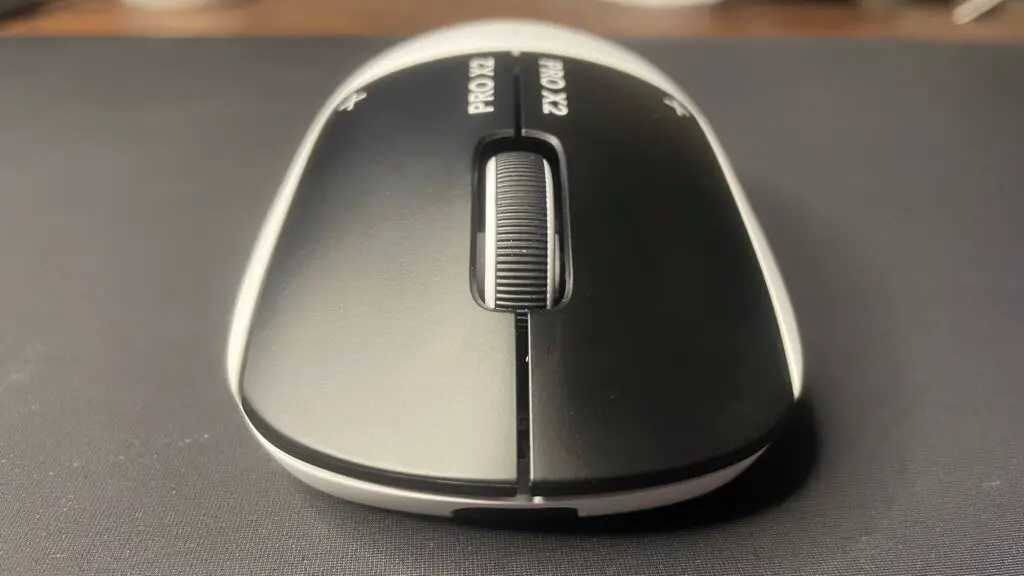
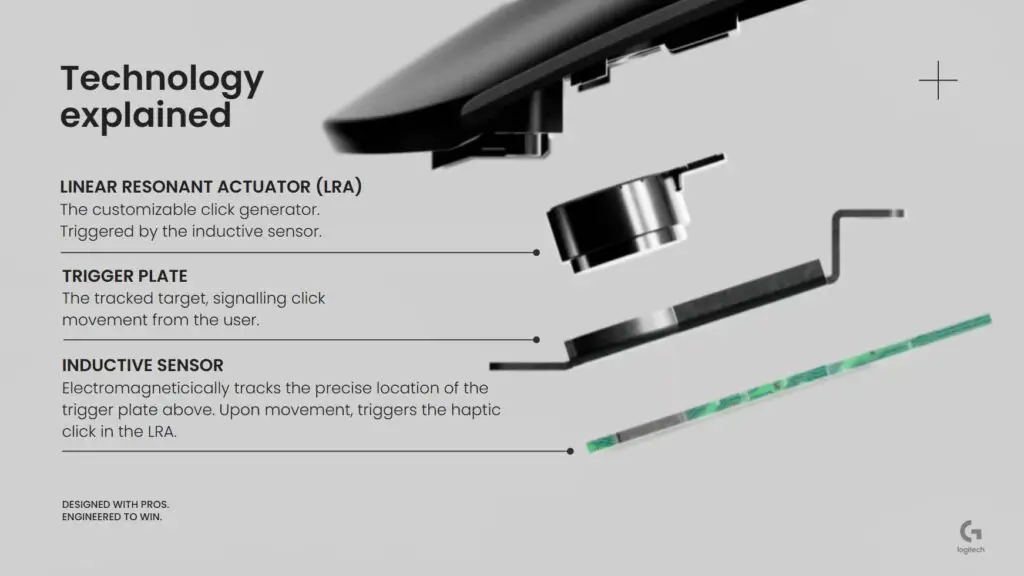
The real story here isn’t about the shape; it’s about the soul of the device. Logitech has moved away from traditional mechanical and optical switches. In their place, they have introduced a bespoke Haptic Inductive Trigger System (HITS). This technology leverages adjustable actuation and haptic feedback to create what is arguably the fastest click currently available. By utilizing induction rather than physical contact, the Superstrike removes the latency and wear-and-tear issues inherent in older designs.
Strategic Speed: Why the Superstrike Resembles the Superlight 2
One might wonder why Logitech didn’t opt for a radical new shell to house such radical new tech. The answer lies in a “strategic rush” to market. While “if it ain’t broke, don’t fix it” applies to the beloved Superlight ergonomics, the primary driver was getting HITS technology into the hands of professionals as quickly as possible.
I sat down with Regis Croisonnier, Logitech G’s Head of Engineering, and Frédéric, a microtechnology engineer and co-inventor of the system. Croisonnier’s transparency about the development process was refreshing:
“Usually, the time between a prototype and a market-ready product is two to three years. Here, we knew we had a golden nugget. We wanted to move fast, so we took all the shortcuts we could.”
To expedite the process, the team utilized advanced 3D printing and iterative prototyping to refine the induction tech without waiting for traditional manufacturing cycles. The goal was simple: prove the technology works in a form factor that the community already loves.
Engineering for the Elite: Shaving Every Milligram
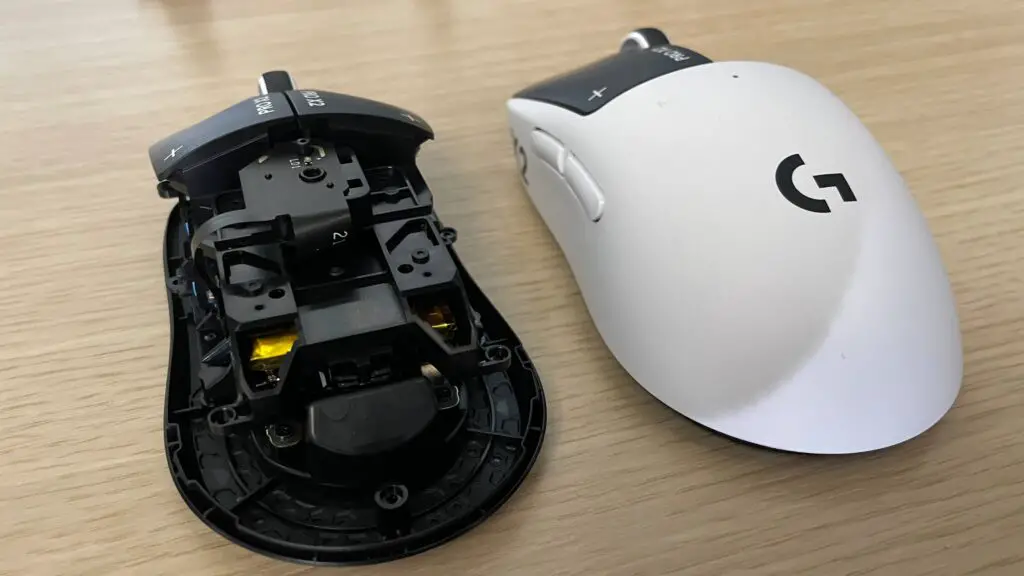
While the external dimensions remain consistent with its predecessor, the internals tell a different tale of engineering obsession. To maintain its status in the competitive AI-accelerated and high-speed gaming world, the weight had to be optimized. The initial Superstrike prototypes tipped the scales at 68g, which the team felt was too heavy for a flagship successor.
By shaving millimeters from the shell’s internal thickness—without compromising structural integrity—and introducing perforated PCBs, they managed to drop the weight significantly. They even swapped out traditional steel screws for titanium hardware. The result? A featherweight 60g device that feels incredibly agile.
| Feature | G Pro X Superlight 2 | G Pro X2 Superstrike |
|---|---|---|
| Switch Type | LIGHTFORCE Hybrid | Haptic Inductive (HITS) |
| Weight | 60g | 60g (refined internals) |
| Actuation | Fixed | Adjustable |
| Hardware | Steel Screws | Titanium Screws |
Final Thoughts
As a storyteller in the tech space, I find the narrative of the Superstrike fascinating. It’s a bridge between the reliable past and an inductive future. I’m happy to have this technology today rather than waiting years for a redesign. For those who prioritize speed and precision above all else, the Superstrike isn’t just a mouse; it’s a look at where the industry is headed.
Affiliate Disclaimer: Some of the links on Digital Tech Explorer are affiliate links. This means we may earn a commission if you click through and make a purchase, at no additional cost to you. Our recommendations are based on thorough research and personal experience. All content is for informational and entertainment purposes only.