
By the time I sat down to finalize my deep dive into Mewgenics, I had already logged over 100 hours in its twisted, feline-filled world—and I knew the journey was far from over. Now, sitting at roughly 115 hours, I can finally see the light at the end of the tunnel for the main questline. However, if the latest data from the developer is any indication, I’ve barely scratched the surface of what this digital ecosystem has to offer.
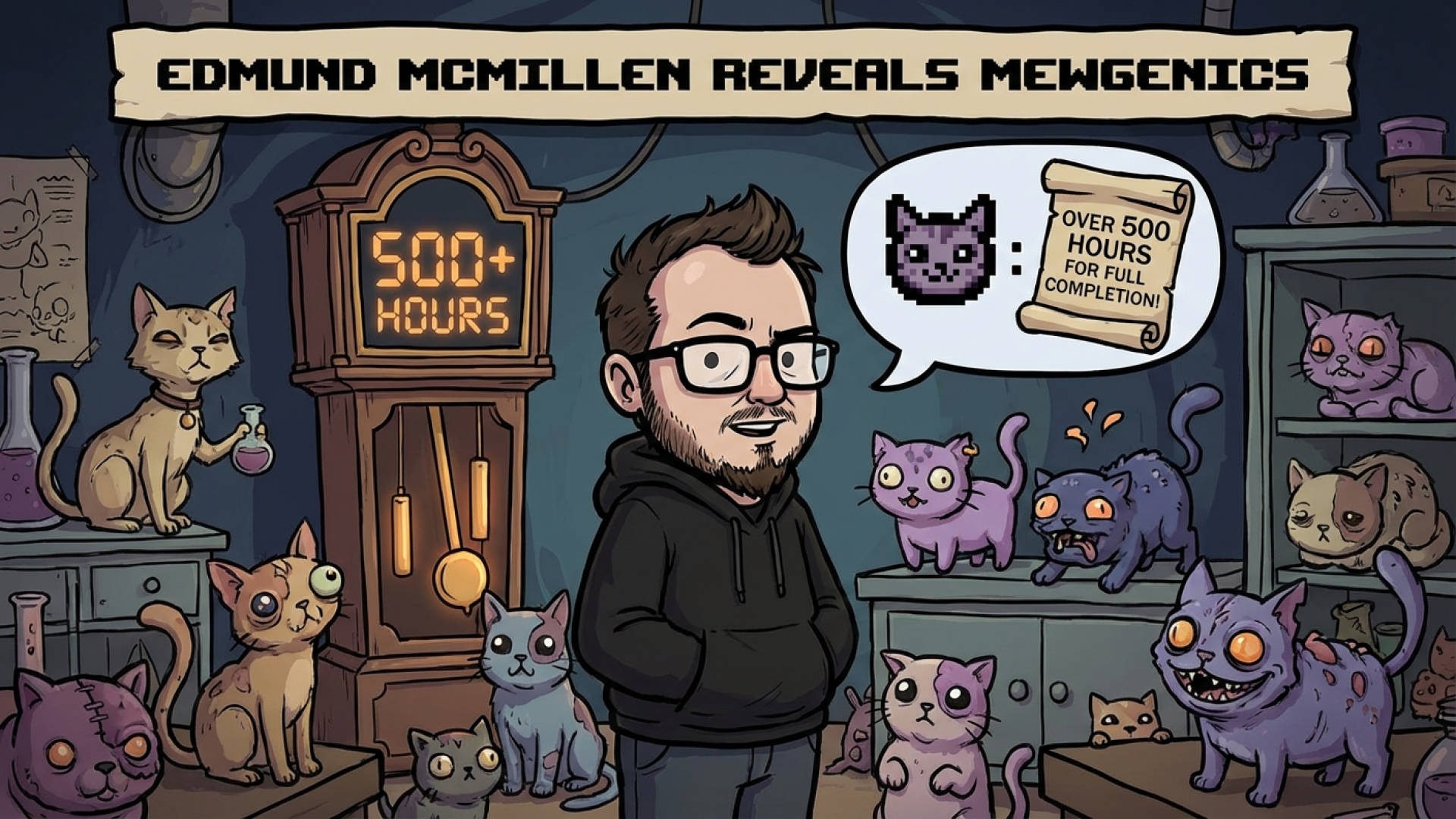
According to creator Edmund McMillen, during a recent AMA on the Steam Deck subreddit, the scale of the game is staggering. “It will take an average player about 200+ hours to ‘beat the game’ and 500+ hours to 100%,” McMillen stated. For tech enthusiasts and completionists alike, those numbers represent a massive commitment to a single software title.
Decoding Completion: “Beating” vs. “100%”
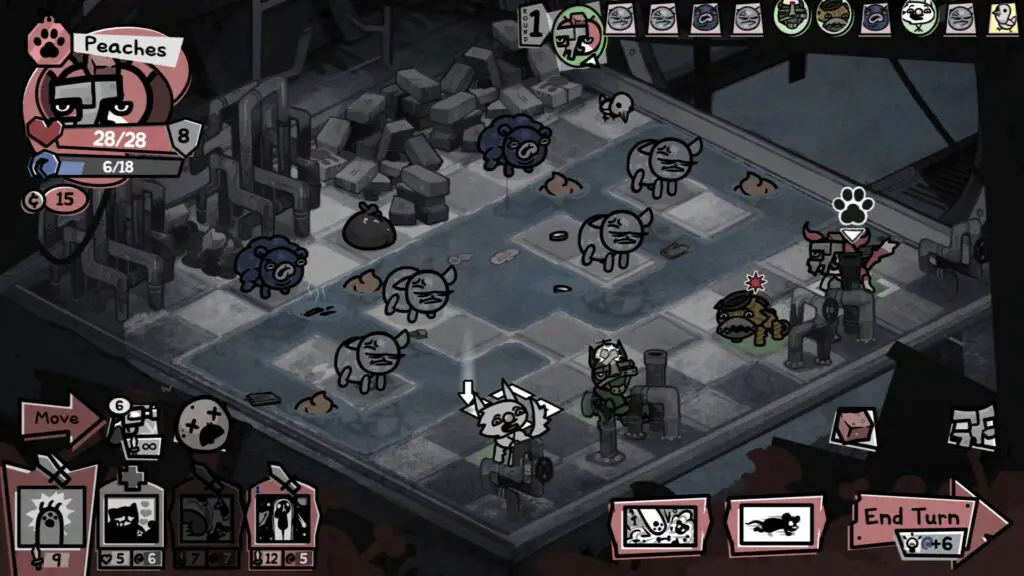
As a storyteller in the tech space, I find the definition of “beating” a game like this fascinating. Based on my current progress, I don’t believe it will take another 85 hours to reach the conclusion of the final quest. However, Mewgenics utilizes a sophisticated “New Game+” style architecture. Players can replay levels and bosses at significantly higher difficulty tiers. If McMillen considers a full clear of these advanced challenges as the baseline for “beating” the game, the 200-hour estimate becomes much more realistic.
It is also worth noting the learning curve. While I’ve spent the last three weeks deeply immersed in the game’s mechanics—analyzing every line of code-like logic in its combat—the average player may take a more measured approach. With longer gaps between sessions, mastering the game’s unique quirks and synergies will naturally take longer, leading to more failed runs and an extended playtime.
| Milestone | Estimated Time (Hours) | Difficulty Tier |
|---|---|---|
| Main Quest Completion | 100 – 120 | Standard |
| “Beating” the Game (NG+) | 200+ | Advanced |
| 100% Completion | 500+ | Mastery |

The Extensive Journey to True Completion
The prospect of 500+ hours for 100% completion is where things get truly intriguing. At 115 hours, my save screen indicates 83% completion. You might wonder: “Is that final 17% really going to take another 400 hours?” In the world of complex gaming software, the “long tail” of content is often the most demanding.
Part of this duration comes from the sheer variety of builds. Beating every level on both difficulties with every available class to secure all unlocks is a monumental task. Furthermore, with over 100 hidden achievements still locked, it’s clear that Mewgenics hides its most profound secrets behind layers of procedural generation and rare RNG events.
Uncovering Cryptid Cats and Deep Secrets
One specific feature likely driving these high playtime numbers is the “Cryptid Cats.” Much like the “Shiny” variants in the Pokémon franchise, these are ultra-rare feline variations that can appear at your house. In the pre-launch community of reviewers and experts, these sightings have been incredibly scarce. If 100% completion requires cataloging these digital rarities, players are in for a long-term hunt.
Whether you are a seasoned developer looking at the game’s intricate systems or a casual player enjoying the narrative, Mewgenics is a masterclass in layered design. After 115 hours, I remain as obsessed as I was on day one. It’s an expansive, wonderfully weird piece of software that proves why Edmund McMillen remains a titan of indie PC games. I can’t wait to see what the wider community uncovers now that the game is finally available to the public.
About the Author: TechTalesLeo is a storyteller and tech enthusiast dedicated to making complex digital innovations accessible. With a background in digital media and web development, Leo explores the intersection of entertainment and technology.
Disclaimer: All content on Digital Tech Explorer is for informational and entertainment purposes only. Some of the links in this article may be affiliate links, meaning we may earn a commission at no additional cost to you. Our reviews are based on thorough research and real-world testing.