
The Logitech G Pro X2 Superstrike is spearheading a new generation of hardware. As the first of its kind to incorporate analogue technology, this device introduces adjustable actuation and rapid trigger capabilities to the world of PC games. At Digital Tech Explorer, we’ve tracked the evolution of peripherals for years, and this breakthrough significantly reduces click latency, redefining performance standards for competitive enthusiasts and professionals alike.
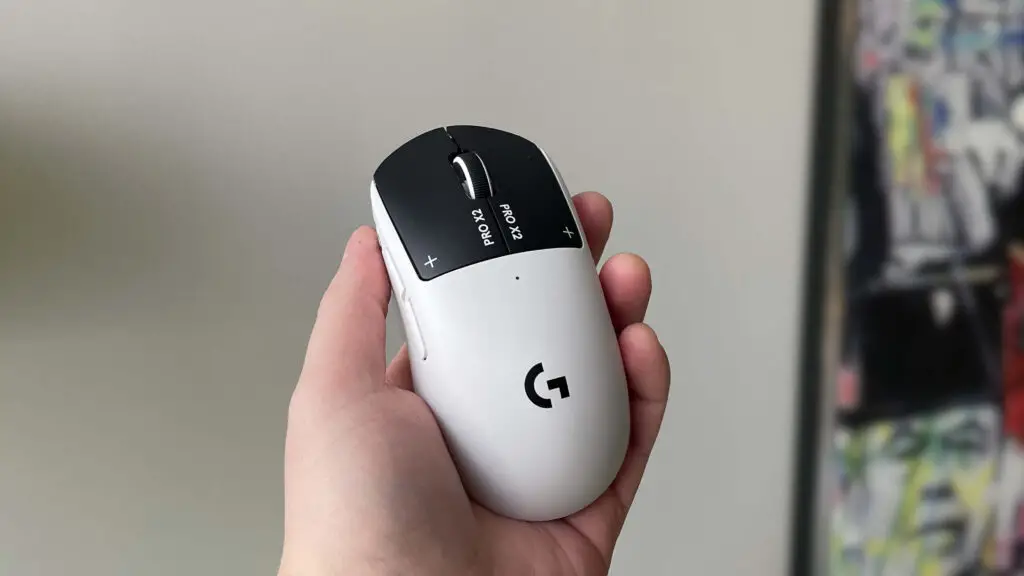
The practical benefits are considerable, as demonstrated through our deep dive into the engineering behind the device. The Superstrike sets a higher bar for shooter performance, elevating the potential for precision aiming. While the technology may seem like sorcery, it is a sophisticated adaptation of existing concepts, particularly those seen in analogue keyboards. As a storyteller in the tech space, I find the narrative of its development particularly compelling—Logitech’s engineers took the “obvious” next step by bringing Hall effect-inspired concepts into a smaller, more demanding form factor.
Logitech confirmed that the development of high-end keyboards played a crucial role in inspiring the Superstrike’s design. This realization prompted the team to accelerate development, taking strategic shortcuts to bring this pioneering gaming mouse to market swiftly, yet without compromising quality. Despite the apparent simplicity of the idea, its implementation presented significant engineering challenges due to the unique spatial requirements of a mouse compared to a keyboard.
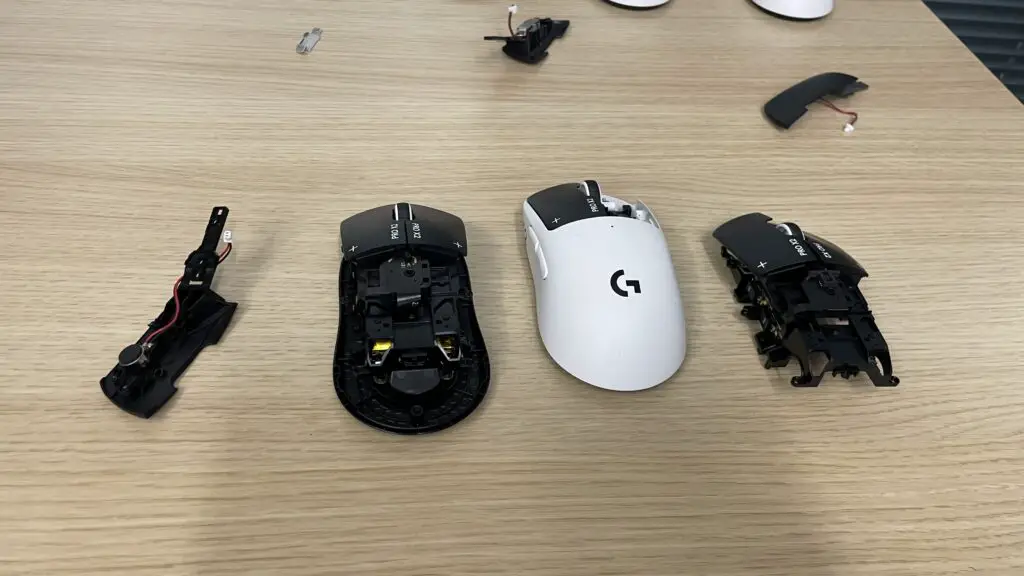
The Power of Electromagnetic Induction
Unlike most analogue keyboards that rely on the Hall effect, the Logitech G Pro X2 Superstrike utilizes electromagnetic induction. In traditional Hall effect switches, a magnet moves with the key stem, and a sensor measures its proximity. Conversely, inductive switches generate a magnetic field from an electromagnetic coil on a PCB. A thin, conductive metal plate moves with the key stem, disturbing this field. It is this disturbance that is precisely measured to determine displacement.
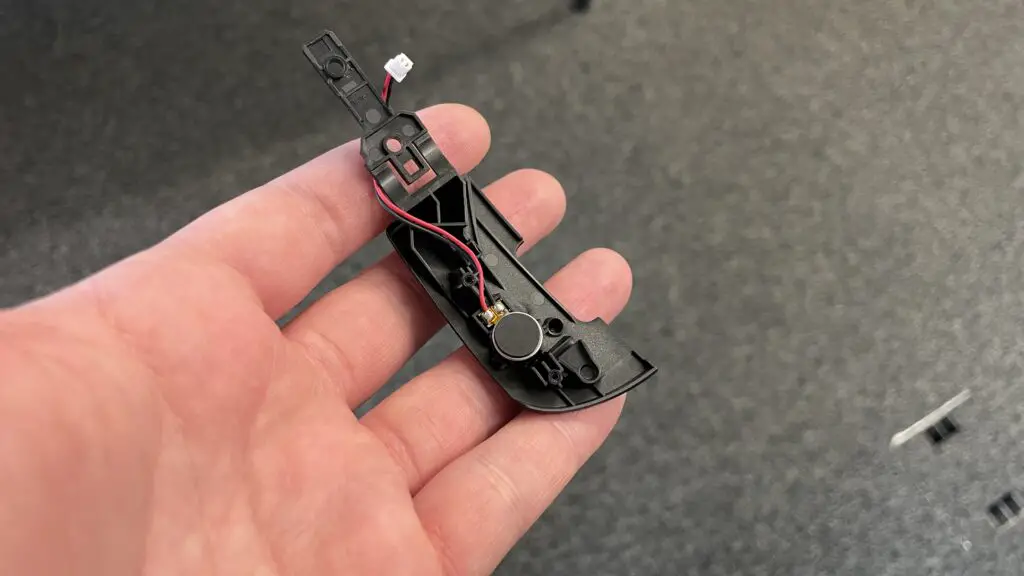
The Superstrike features a linear resonant actuator (LRA), a trigger plate, and an inductive sensor under each key. As the trigger plate passes the actuation threshold, the PCB activates the LRA, generating a haptic click sensation. Inventor Frédéric de Goumoëns explained that these coils generate dynamic, short pulses of magnetic field, inducing current in the conductive metal plate. This interaction allows for highly precise tracking of the button’s movement in real-time.
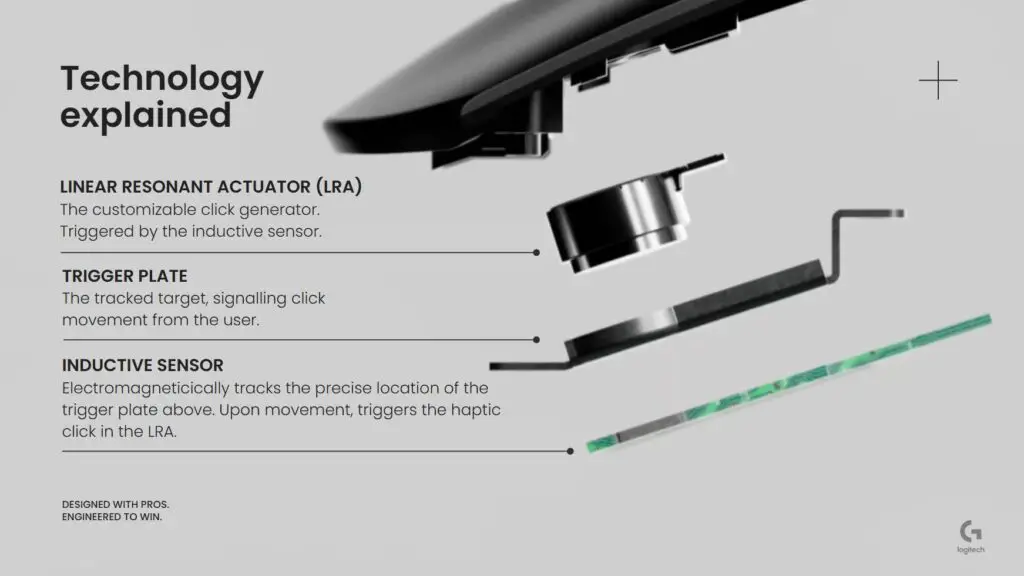
The choice of inductive sensing over the Hall effect was a strategic move for energy efficiency and precision. Processing for inductive sensing can be handled by a microcontroller, reducing power consumption. Furthermore, induction offers superior precision for the short travel distance of a mouse button—approximately 0.65 millimeters—making it the ideal choice for this specific application.
Perfecting the HITS: Haptic Inductive Trigger System
The complete click technology is known as HITS (Haptic Inductive Trigger System). At Digital Tech Explorer, we understand that a tactile response is essential for a functional experience; without feedback, gamers lack the confirmation that a click has registered. Logitech’s chief engineer, Regis Croissonnier, emphasized that haptics were integral from the start to replicate the familiar “click” feel users expect.
Achieving a sharp sensation from an LRA, typically used for long vibrations, required extensive optimization. The team worked closely with pro gamers to fine-tune five distinct levels of intensity, ensuring the device delivered consistent feedback even during rapid-fire clicks. This ensures the Superstrike retains the “legacy” feeling of the Superlight series while offering futuristic internal tech.
Rigorous Testing and Latency Gains
A primary objective during development was optimizing weight without sacrificing structural integrity. Initial prototypes weighed 68 grams, but after feedback from 150 pro gamers, the team lowered the weight to 61 grams (and as low as 59 grams without the puck). This was achieved by shaving the casing thickness and replacing steel screws with titanium counterparts.
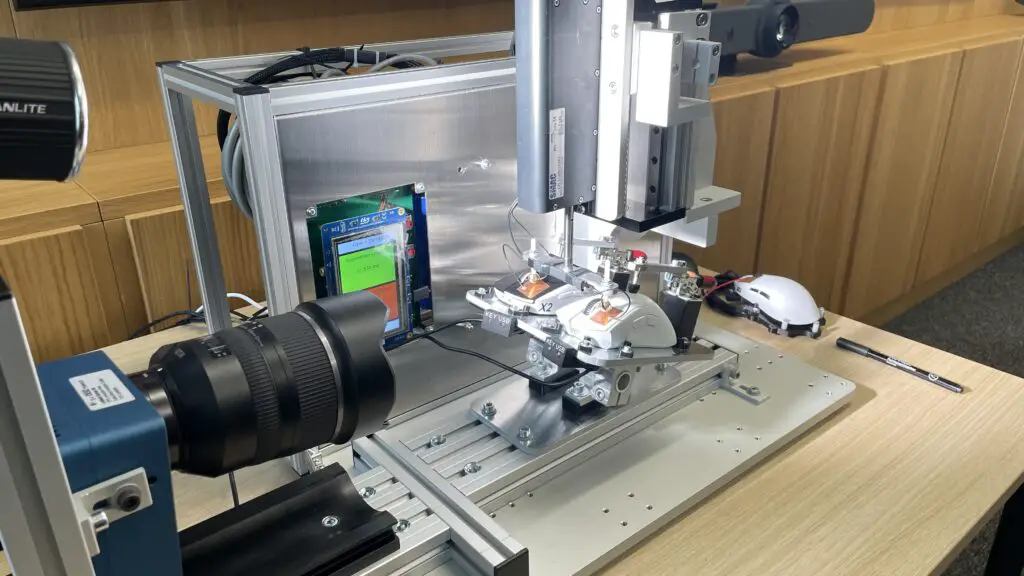
Beyond weight, the HITS system underwent rigorous latency testing. Using a bespoke, high-precision machine at Logitech HQ, the Superstrike’s performance was compared against industry standards. The results were staggering, showing significant improvements in response times.
| Testing Group | Latency Reduction (ms) |
|---|---|
| Machine-to-Machine Comparison | 30 ms |
| Pro Gamer Testing (Average) | 15 ms |
| Non-Pro Gamer Testing (Average) | 27 – 30 ms |
Real-world testing validated these findings across 30,000 recorded clicks. While pro gamers saw a 15-millisecond reduction, non-pro gamers experienced gains up to 30 milliseconds. These quantifiable improvements underscore the potential for the Superstrike to enhance overall competitive performance.
Logitech’s commitment to bringing HITS technology to market in just one year is a testament to its innovation. The Superstrike represents a significant leap forward, poised to usher in a new era for gaming peripherals. Here at Digital Tech Explorer, we expect this technology to set a new industry standard that other manufacturers will soon strive to meet.
Disclaimer: All content on Digital Tech Explorer is for informational and entertainment purposes only. We do not provide financial or legal advice.
Affiliate Disclaimer: Some of the links on Digital Tech Explorer are affiliate links. This means we may earn a commission if you click through and make a purchase, at no additional cost to you. Our recommendations are based on thorough research and personal experience.
About the Author: TechTalesLeo is a dynamic storyteller and tech enthusiast who brings technology to life through captivating narratives. With a background in digital media and innovation, Leo bridges the gap between complex engineering and everyday usability.