
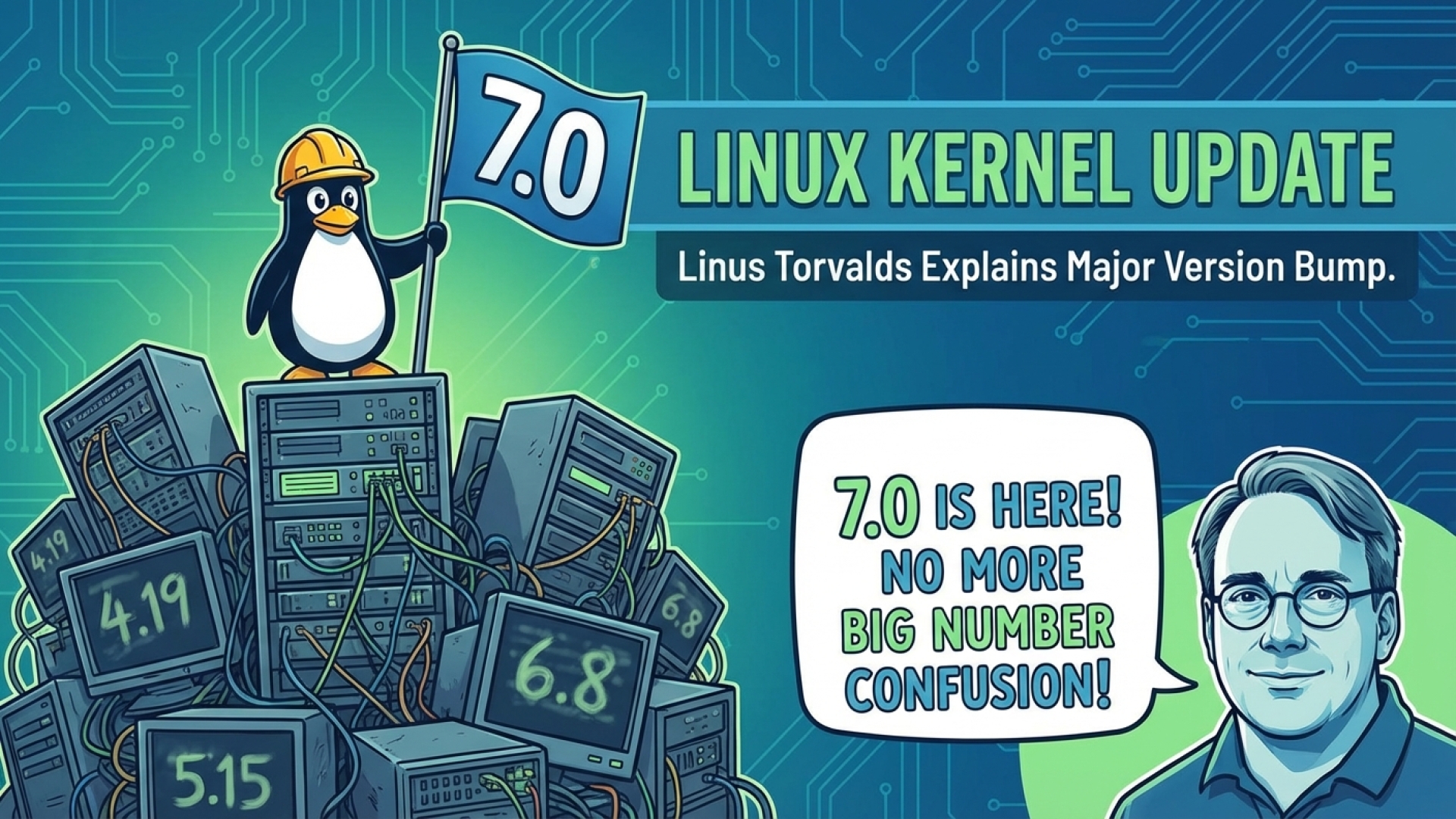
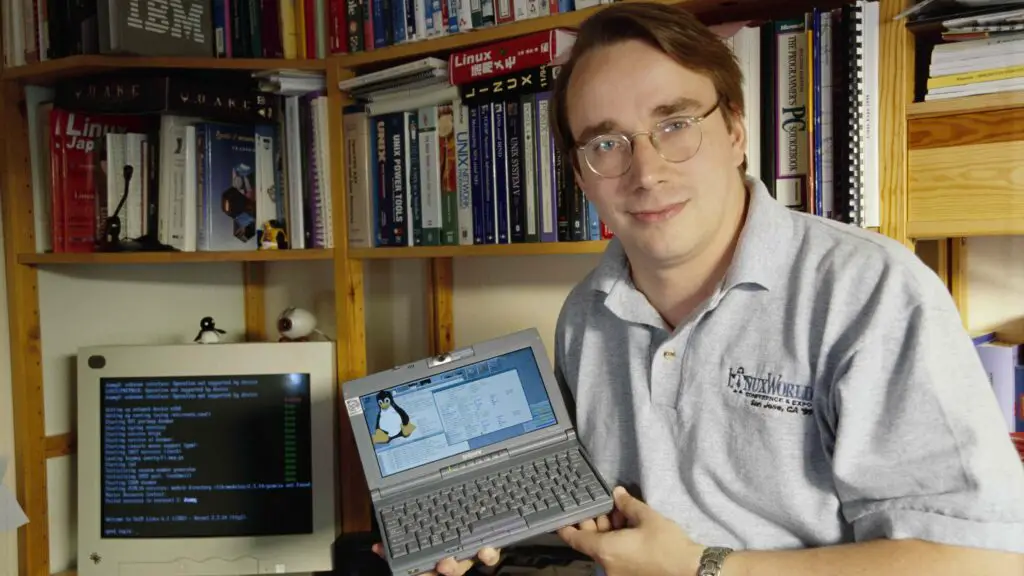
At Digital Tech Explorer, we often see major software version jumps accompanied by a massive list of groundbreaking features or total architectural overhauls. However, in the world of the Linux kernel, things operate a little differently. Linus Torvalds, the principal creator of the open-source operating system, recently announced the release candidate for Linux 7.0, and his reasoning for the version bump is as refreshing as it is pragmatic.
A Non-Revolutionary Major Update
For those expecting Linux 7.0 to signify a revolutionary shift or the deprecation of legacy hardware interfaces, Torvalds has some news: it’s business as usual. He clarified that the move to a new major version number doesn’t correlate to a specific milestone in feature development.
“We haven’t done releases based on features (or on ‘stable vs unstable’) for a long long time now,” Torvalds noted. Instead, the change is a personal preference to keep version numbers manageable. He jokingly admitted that he prefers smaller numbers because he is “easily confused” by larger ones. This “solid progress” marker ensures the kernel continues to evolve without the marketing-driven pressure often seen in the commercial software world.
Predicting the Linux Release Cadence
As part of our mission to help developers stay ahead of trends, it is helpful to look at the timeline. Based on the current schedule of five to six releases per year, Torvalds projects that major version bumps will occur approximately every 3.5 years. This gives the community a predictable rhythm for anticipating when the next numerical jump might happen.
| Kernel Generation | Primary Focus | Release Logic |
|---|---|---|
| Linux 5.x | Modern Hardware Support | Version limit reached |
| Linux 6.x | Performance & Security Enhancements | Version limit reached |
| Linux 7.0 | Refinement & Incremental Progress | Numerical Management |

Smooth Sailing in the Merge Window
While the update might not be “revolutionary” in terms of features, it is a triumph of engineering stability. Torvalds expressed satisfaction with the Linux 7.0 merge process, describing it as a “fairly smooth merge window.” For a lead maintainer, “smooth” means not having to bisect boot failures on test machines—a testament to the rigorous testing standards of the community.
This stability is vital for everything from cloud computing to AI-acceleration and gaming, where the kernel serves as the foundation for high-performance software.
The Call to Action: Get Testing
In true TechTalesLeo fashion, the story concludes with a nod to the collaborative spirit that makes Linux unique. Torvalds issued a characteristically laid-back call to action, urging the community to test-build and test-boot the new kernel. “The fact that it all works for me is good, but let’s make sure it works for others too,” he remarked.
Whether you are a seasoned software engineer or a tech enthusiast curious about the inner workings of your OS, the arrival of Linux 7.0 is a reminder that constant, steady improvement is often more important than radical change. It’s time to see how this new version performs in the real world.
Looking for more tech insights? Visit the TechTalesLeo author page for stories on digital innovation and emerging trends.
Disclaimer: All content on Digital Tech Explorer is for informational and entertainment purposes only. We do not provide financial or legal advice. Some of the links on our site are affiliate links, meaning we may earn a commission at no additional cost to you.