

The Science of Silence: How 1 Hz Saves Power
The brilliance of this panel lies in its “Variable Refresh Rate” (VRR) capability. While modern gaming monitors often boast high refresh rates for fluid motion, the Oxide 1 Hz panel focuses on the opposite end of the spectrum. When you are performing static tasks—such as reading code, writing an article, or viewing a high-resolution image—the screen scales down to a mere 1 Hz (one refresh per second). As our resident storyteller TechTalesLeo notes, this shift drastically reduces the workload on the image processor. However, it is important to maintain realistic expectations. While the panel itself becomes significantly more efficient, a laptop is a complex ecosystem. The CPU, RAM, and storage continue to draw power, and because this is an LCD rather than an OLED, a constant backlight is still required. Nevertheless, reducing the display’s power draw by nearly half is a monumental achievement in panel design.Circuit Innovation and Material Science
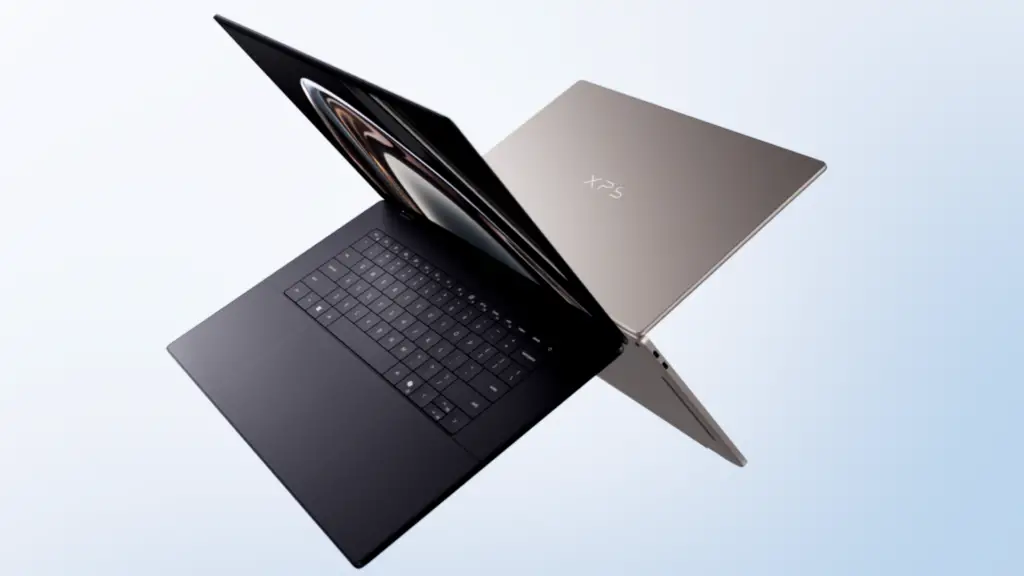
LG’s “world’s first” claim is backed by proprietary advancements in Thin-Film Transistor (TFT) materials. By using a specialized oxide layer with exceptionally low power leakage, the panel can maintain an image without the constant “refresh” cycle that typically drains laptop batteries. This is paired with sophisticated new circuit algorithms that analyze on-screen content in real-time to determine the optimal refresh rate.Coming Soon: The 2026 Dell XPS Debut

| Feature | LG Oxide LCD (Standard) | OLED Option (Upgrade) |
|---|---|---|
| Refresh Rate Range | 1 Hz – 120 Hz | 20 Hz – 120 Hz |
| Resolution | 2K | 3K / 4K |
| Battery Efficiency | Maximum (48% panel saving) | High (variable) |
| Primary Benefit | Extreme Battery Life | Color Depth & Contrast |
The Future of High-Efficiency Displays
While the current focus is on LCD technology to keep costs manageable for the mass market, LG is already looking toward the horizon. The company is currently preparing for the mass production of a 1 Hz OLED panel, expected to launch in 2027. This will combine the perfect blacks of OLED with the extreme efficiency of the Oxide 1 Hz technology, likely setting a new standard for premium hardware. At Digital Tech Explorer, we believe that efficiency is the new frontier of performance. As processors like the Intel Panther Lake continue to optimize power draw, LG’s display innovations ensure that the screen is no longer the “battery killer” it once was.About the Author: TechTalesLeo is a dynamic storyteller and tech enthusiast who brings technology to life through captivating narratives and engaging content. With a background in digital innovation, Leo focuses on making complex hardware trends accessible for tech enthusiasts worldwide. Mission Statement: Digital Tech Explorer aims to help developers and tech enthusiasts stay ahead of trends, make informed decisions, and enhance their coding skills through engaging and insightful content.
Disclaimer: All content on Digital Tech Explorer is for informational and entertainment purposes only. We do not provide financial or legal advice. Affiliate Disclaimer: Some of the links on Digital Tech Explorer are affiliate links. This means we may earn a commission if you click through and make a purchase, at no additional cost to you.