
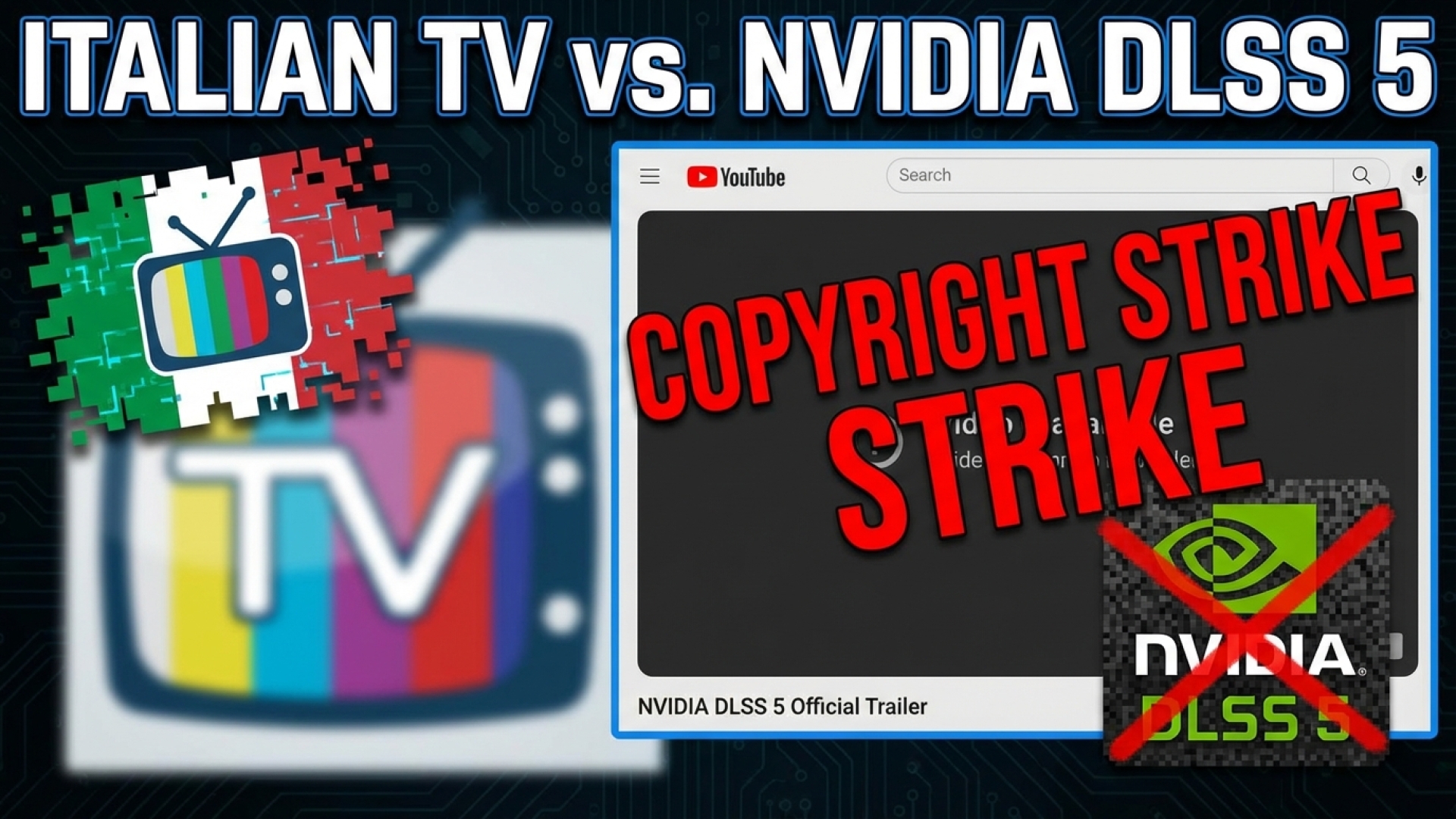
In a bizarre turn of events that feels more like a tech-thriller plot than daily news, Italian television channel La7 recently issued a copyright strike against Nvidia’s official YouTube channel. This action temporarily took down the “Announcing Nvidia DLSS 5” video, sparking immediate concern across the PC gaming community. Here at Digital Tech Explorer, where we often dissect the intersection of software and real-world implementation, this incident highlights the glaring vulnerabilities of automated content moderation systems.
The Unprecedented Copyright Claim
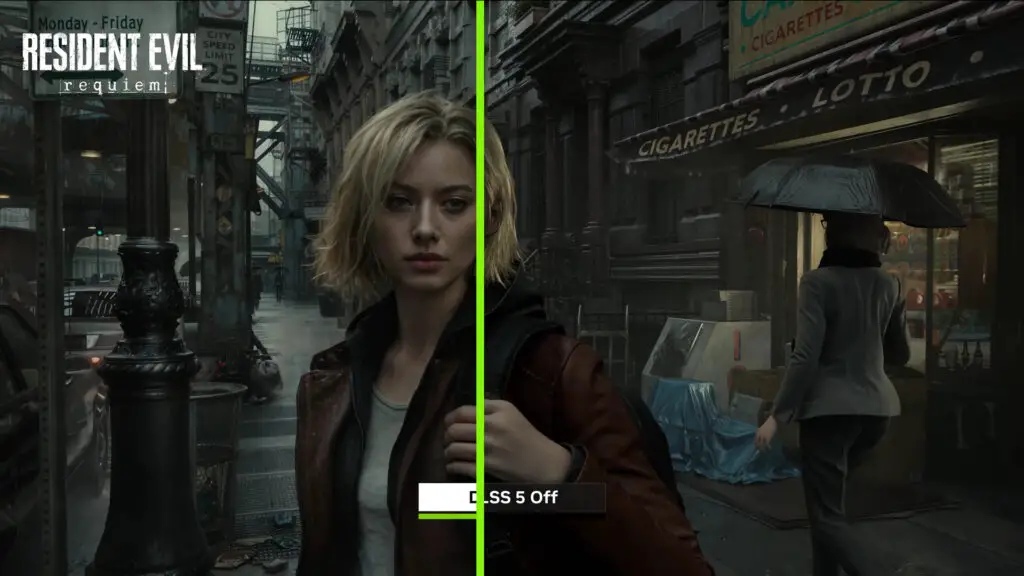
The Nvidia DLSS 5 reveal trailer, which originally debuted on March 16, faced an unexpected removal in Italy for over 24 hours. Viewers attempting to access the footage were met with the dreaded message: “This video contains content from La7, who has blocked it in your country on copyright grounds.” It appears that La7 utilized footage from the AI-powered reveal in one of its own broadcasts. Consequently, their automated systems—or a misinformed administrator—asserted ownership over the original GPU technology showcase created by Nvidia.
The situation gained traction on X.com via users like NikTek, who flagged the geo-blocked status of the official video. This irony was not lost on the community, especially considering the mixed reception some industry experts have regarding the aggressive push toward DLSS 5’s new frame-generation techniques.
Timeline of the DLSS 5 Takedown
| Date | Event | Impact |
|---|---|---|
| March 16 | Official DLSS 5 Reveal | Global announcement of new AI visual fidelity. |
| April 4 | La7 Copyright Strike | Official video and creator reactions geo-blocked in Italy. |
| April 5 | Claim Released | Video restored; YouTube Content ID system criticized. |
YouTube’s Content ID System Under Fire
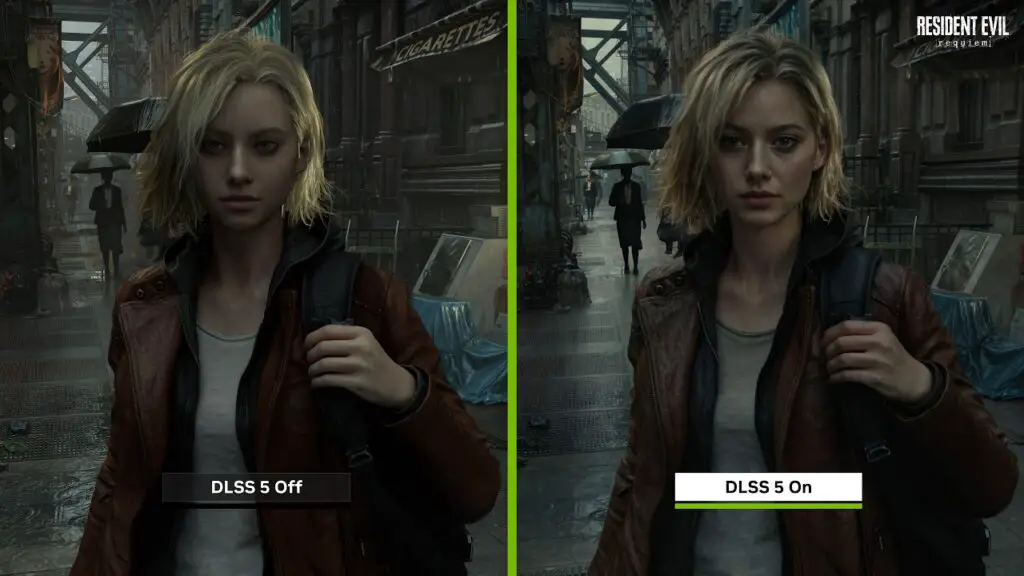
The reach of La7’s claim extended far beyond Nvidia’s official channel. Several independent creators found their videos demonetized or blocked. Former IGN editor Destin Legarie voiced his frustration on social media, noting that his commentary video—posted weeks prior to the strike—was flagged by La7 on April 4. He raised a valid question for the platform: “How can the YouTube system not just look at the dates and see this makes no sense?”
As a team that explores the technicalities of digital innovation, we see this as a recurring failure of the YouTube Content ID system. Designed to protect rights holders, it frequently penalizes the original creators of the gaming content it is supposed to safeguard. Frivolous or automated claims often force smaller channels into a bureaucratic nightmare of contestations, which usually only resolve once a human reviewer actually looks at the evidence.
Resolution and Lessons Learned
The situation has since been resolved. La7 released its claim, and the Nvidia DLSS 5 trailer is once again accessible in Italy. While there is a certain level of comedy in a television channel claiming to own Nvidia’s proprietary hardware-driven software, it serves as a stark warning. The “protect our copyright” mentality, when automated, often fails to account for the source of the material.
For tech enthusiasts and professionals, this is a reminder of the fragility of digital archives and the ongoing need for more robust, human-supervised safeguards within copyright enforcement systems. As we continue to track 2024 releases and beyond, the industry must address these systemic flaws to protect the creators who drive the conversation forward.
Disclaimer: All content on Digital Tech Explorer is for informational and entertainment purposes only. We do not provide financial or legal advice.
Affiliate Disclaimer: Some of the links on Digital Tech Explorer are affiliate links. This means we may earn a commission if you click through and make a purchase, at no additional cost to you. Our recommendations are based on thorough research and personal experience.