
By TechTalesLeo
At Digital Tech Explorer, we’ve closely followed the evolution of Intel’s processor architecture. With the release of the Core Ultra 200S series, we are seeing a new ceiling for DRAM support. The journey to this point has been a steady climb: starting with the 12th Gen Core processors at a base of 4,800 MT/s, moving through subsequent generations, and finally landing at a native 6,400 MT/s with Arrow Lake.
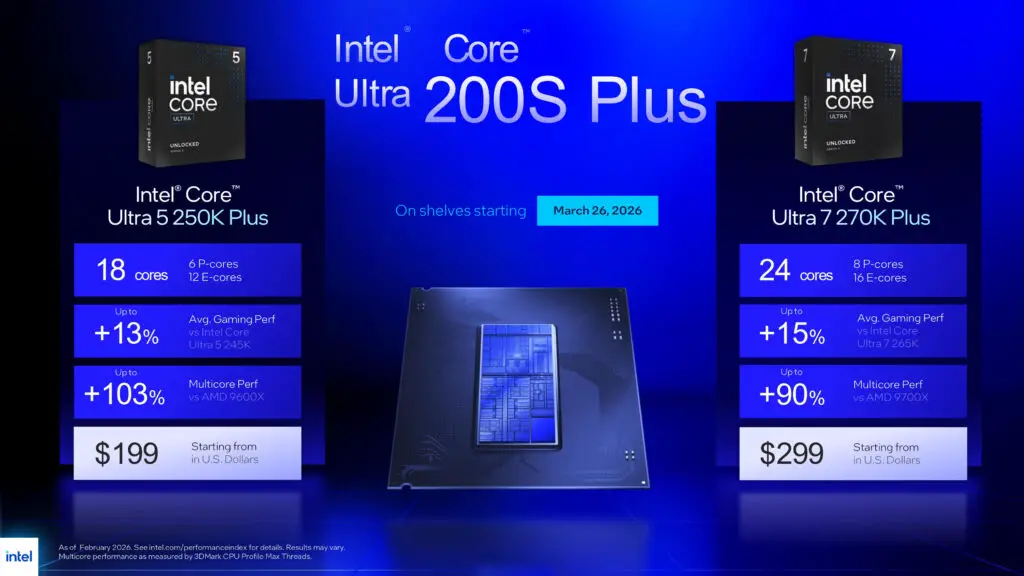
The latest iteration, the Core Ultra 200S Plus, pushes the envelope even further to a default, non-overclocked speed of 7,200 MT/s. While modern chips easily exceed these speeds via XMP or EXPO profiles, the question remains for every PC gamer and builder: does this extra speed actually translate into a better experience on screen?
Testing Methodology and Benchmarking Setup
To provide the transparency and thorough research our readers expect at Digital Tech Explorer, we analyzed performance data across two primary processors and two distinct memory tiers. Our testing environment was designed to isolate the impact of DRAM speeds on high-end hardware.
| Component | Details |
|---|---|
| Processors | Core Ultra 7 270K Plus & Core Ultra 9 285K |
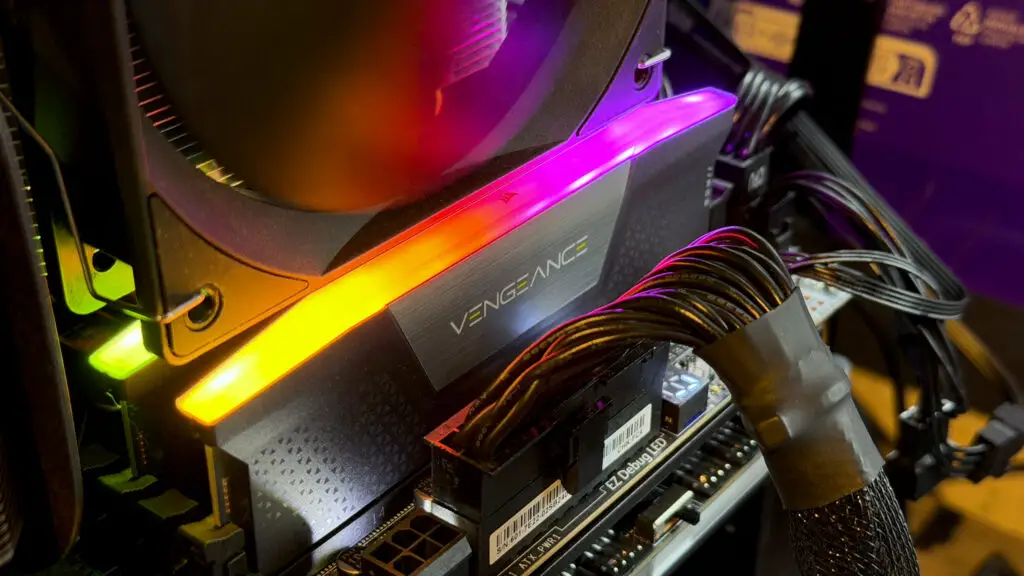
| Memory Kit A | 32 GB Corsair Vengeance RGB DDR5-6000 CL30 |
| Memory Kit B | 32 GB G.Skill Trident Z5 DDR5-7200 CL34 |
| Motherboard | MSI MEG Z890 Ace |
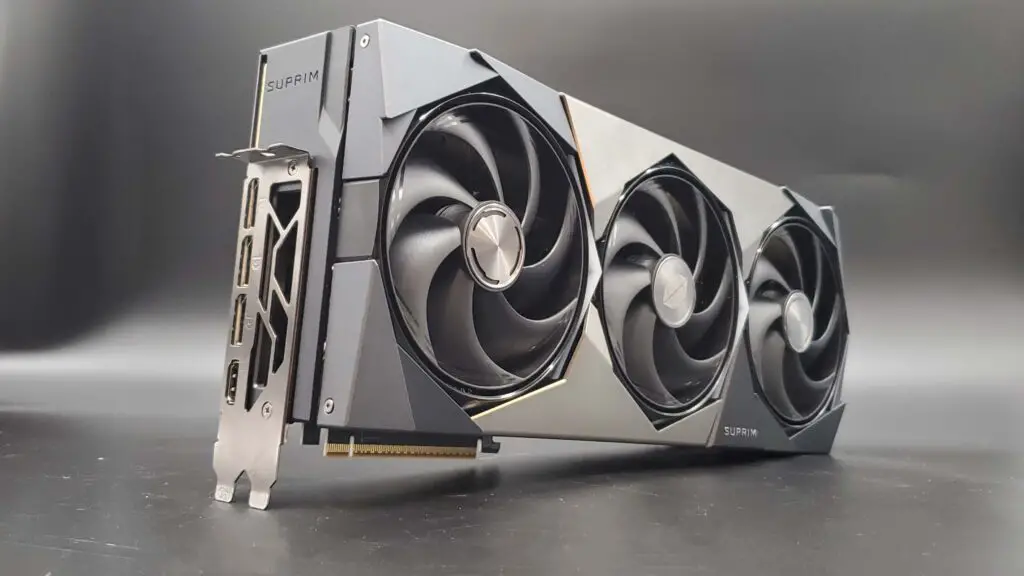
| Graphics Card | GeForce RTX 4070 |
General Gaming Performance: The Reality Check
After testing across multiple titles, the data tells a consistent story: for most games, increasing DRAM speed offers diminishing returns. In the majority of our benchmarks, the performance delta was less than 5%. In many cases, these differences were small enough to fall within the standard margin of error. For the average gamer, moving from DDR5-6000 to DDR5-7200 likely won’t result in a perceptible change in smoothness or frame rates.
The Baldur’s Gate 3 Exception
However, every rule has an exception. In our deep dive into PC games, Baldur’s Gate 3 stood out. Utilizing the Core Ultra 7 270K Plus, the game saw a 4% average increase in frame rates when jumping to DDR5-7200. More impressively, the 1% low frame rates—which dictate how smooth a game feels during intense moments—improved by 8%.
Why did this happen? It comes down to the architecture. The 270K Plus features internal Die-to-Die (D2D) clock speeds that are 43% higher and Next Generation Uncore (NGU) clocks 15% faster than the Core Ultra 9 285K. These internal enhancements allow the 270K Plus to shuffle data between its tiles more efficiently, making it more responsive to faster system memory in cache-heavy scenarios.
Understanding the System Bottleneck
At Digital Tech Explorer, we believe in educating our readers on the “why” behind the numbers. The reason warp-speed DDR5 doesn’t always help is the concept of the bottleneck. If your GPU or your CPU’s internal cache is already the limiting factor, providing faster RAM won’t change the outcome.
This is precisely why AMD’s X3D chips, with their massive L3 caches, are often less sensitive to RAM speeds—the CPU simply doesn’t need to go out to the “slow” system memory as often because it has what it needs right on the die.
When Does Ultra-Fast Memory Make Sense?
High-speed memory kits become relevant in “edge case” scenarios. If you are an esports professional pairing an RTX 5090 with a flagship CPU to play at 1080p with ultra-high refresh rates, the memory subsystem becomes a critical link in the chain. In these specialized setups, every nanosecond of latency matters. But for the vast majority of users, these conditions are rarely met.
Market Value and Final Verdict
When we look at current market pricing, the investment for higher speeds starts to look less appealing for the budget-conscious builder. Here is a breakdown of common configurations:
| Memory Kit (32GB) | Estimated Price | Best For |
|---|---|---|
| DDR5-6000 CL36 | $370 | Value Builders |
| DDR5-6000 CL30 | $510 | The “Sweet Spot” |
| DDR5-7200 (No RGB) | $430 | Performance Enthusiasts |
| DDR5-7200 CL34 | $550 | High-End Aesthetics |
| DDR5-8000 | $540 | Extreme Overclockers |
Despite Intel’s impressive strides in native DRAM support with the Core Ultra 200S Plus, the real-world gaming benefits for most users are minimal. If you’re building a new rig today, our recommendation is to stick with a high-quality DDR5-6000 kit. It offers the best balance of stability, price, and performance, allowing you to put that extra cash toward a better GPU or a larger SSD.
Disclaimer: All content on Digital Tech Explorer is for informational and entertainment purposes only. We do not provide financial or legal advice.
Affiliate Disclaimer: Some of the links on Digital Tech Explorer are affiliate links. This means we may earn a commission if you click through and make a purchase, at no additional cost to you. Our recommendations are based on thorough research and personal experience.