
By TechTalesLeo, for Digital Tech Explorer
In the fast-paced world of silicon and AI acceleration, few stories are as captivating as the “what-if” scenarios that could have altered the course of technological history. Recently, on the Lex Fridman podcast, Nvidia CEO Jensen Huang confirmed a revelation that sounds more like a plot point from a tech thriller: he was once invited to lead the world’s most important semiconductor foundry.
Back in 2013, Morris Chang, the legendary founder of TSMC, personally reached out to Huang with an offer to succeed him as Chief Executive. This monumental detail, first shared in Chang’s autobiography, has now been verified by Huang himself, shedding light on a pivotal moment for both hardware giants.
The Vision That Kept Huang at Nvidia
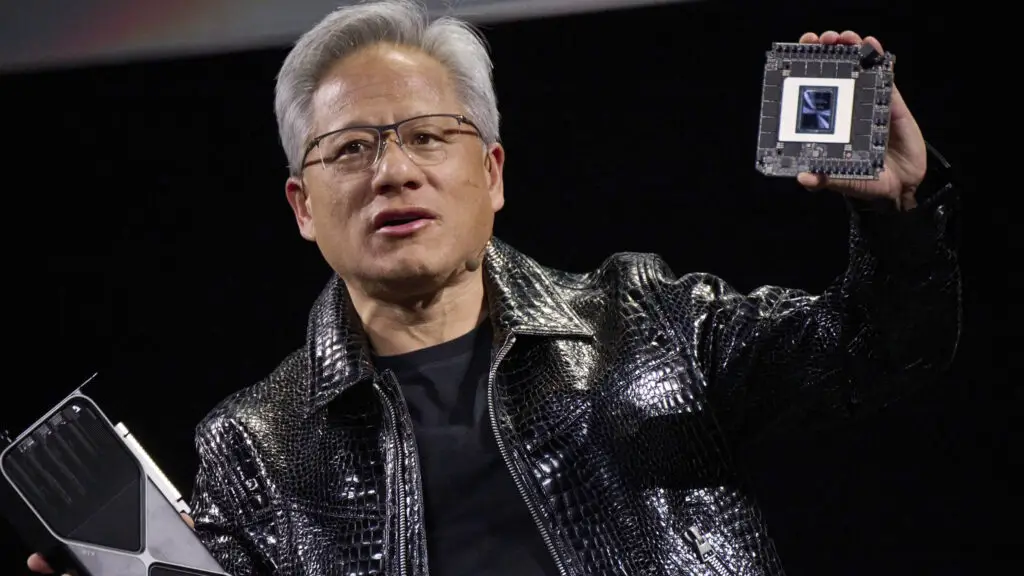
Declining an offer from a mentor and personal friend like Morris Chang was no easy feat. Huang expressed profound humility regarding the proposal, acknowledging TSMC as one of the most consequential companies in history. However, his refusal was fueled by a singular, unwavering vision for Nvidia’s destiny.
“The work that I’m doing here is really important,” Huang explained during the interview. He noted that he could see, in his “mind’s eye,” exactly what Nvidia was destined to become and the global impact it would have. For Huang, staying the course wasn’t just a career choice; it was a responsibility to fulfill the potential of Artificial Intelligence and gaming innovation that he had started.
The Three Pillars of TSMC’s Success
While Huang chose to remain at the helm of Nvidia, his respect for TSMC has only deepened. Here at Digital Tech Explorer, we often focus on the technical specs of 8K resolution and blockchain efficiency, but Huang points to three intangible strengths that make TSMC the titan it is today:
| Pillar | Description |
|---|---|
| Manufacturing Orchestration | The ability to manage the dynamic, shifting demands of hundreds of global companies simultaneously. |
| Dual Culture | A rare balance between pushing bleeding-edge technology and maintaining world-class customer service. |
| Radical Trust | A foundation of reliability where multi-billion dollar companies trust TSMC with their entire future. |
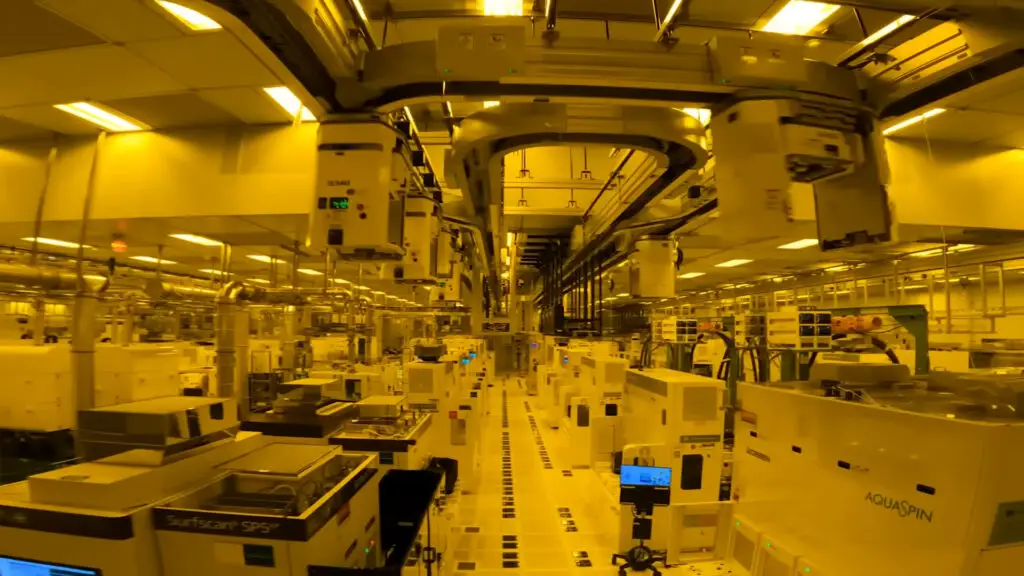
Huang highlighted the “miraculous” nature of TSMC’s manufacturing system, which handles urgent wafer starts and stops across a global landscape. He also noted that while many companies excel at either tech innovation or customer service, TSMC is unique in mastering both.
A Relationship Built on Handshakes, Not Contracts
Perhaps the most startling revelation from the interview was the nature of the business relationship between Nvidia and TSMC. Despite Nvidia reaching unprecedented financial heights, their partnership—worth hundreds of billions of dollars—operates largely without formal, rigid contracts.
“We don’t have a contract,” Huang stated, emphasizing that the level of confidence between the two firms is built on decades of mutual success and handshake deals. Even when Huang has to push TSMC for more output to meet the demand for machine learning hardware, the foundation remains unshakable.
At Digital Tech Explorer, we believe this story serves as a masterclass in leadership and vision. Had Huang accepted the role in 2013, the landscape of AI, 3D gaming, and even 3D printing software might look very different today. Instead, his commitment to Nvidia has helped forge a new era of computing.
Affiliate Disclaimer: Some of the links on Digital Tech Explorer are affiliate links. This means we may earn a commission if you click through and make a purchase, at no additional cost to you. Our recommendations are based on thorough research and personal experience.
General Disclaimer: All content on Digital Tech Explorer is for informational and entertainment purposes only. We do not provide financial or legal advice.
Learn more about our mission and the author on our author page.