
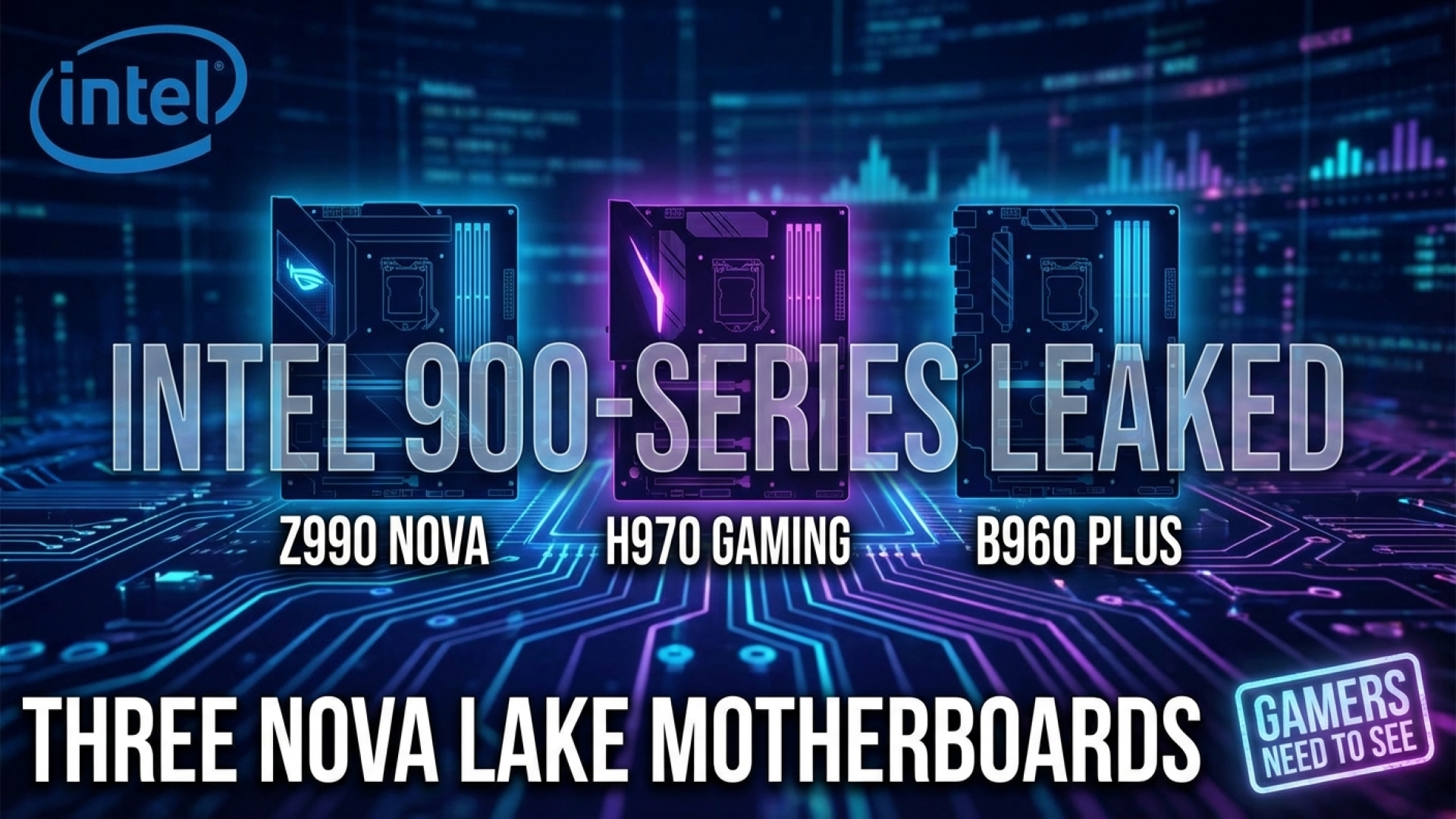
As the horizon of PC hardware continues to shift, Intel’s Nova Lake desktop CPUs are set to redefine high-performance computing. At Digital Tech Explorer, we’ve been tracking the evolution of the LGA-1851 socket, but new leaks suggest a significant pivot. The first major leak regarding the supporting motherboard chipsets has surfaced, courtesy of well-known leaker Jaykihn on X. The data provides a detailed look at the Intel 900-series family, hinting at a potential shake-up in naming conventions and a streamlined lineup for enthusiasts.
Decoding the 900-Series: B960 vs. Z970
For most gamers and developers, the choice often boils down to the balance between features and cost. The leaked specifications for the B960 and Z970 chipsets show a surprising amount of parity. Both offer 14 PCIe 4.0 lanes, two DMI Gen5 lanes for processor communication, and integrated Thunderbolt 4 support.
The primary differentiator remains the enthusiast-level control: the Z970 allows for full CPU overclocking, a feature notably absent from the B960. However, neither chipset appears to support BCLK (base clock) tweaking, which may limit the most granular tuning efforts.
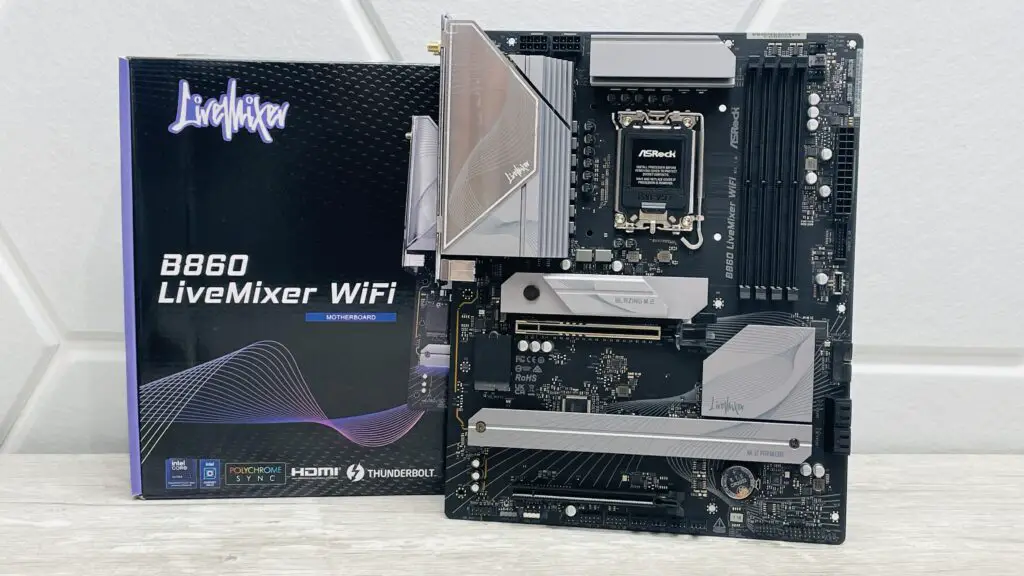
In our analysis at Digital Tech Explorer, we’ve noted that while the lane counts are similar to the previous Intel B860 chipset, the physical architecture is moving forward. Nova Lake is reportedly moving to an LGA-1954 socket. This effectively ends the compatibility cycle for older motherboards, requiring a fresh platform investment for anyone looking to jump to the 52-core monsters rumored in the Nova Lake lineup.
Specifications at a Glance
To help our community of builders make informed decisions, we have synthesized the leaked data into a clear comparison of the primary consumer chipsets.
| Feature | B960 (Entry) | Z970 (Mid-Range) | Z990 (Flagship) |
|---|---|---|---|
| Total PCIe 4.0 Lanes | 14 | 14 | 24 |
| DMI Gen5 Lanes | 2 | 2 | 4 |
| CPU Overclocking | No | Yes | Yes |
| BCLK Overclocking | No | No | Yes |
| Thunderbolt 4 | 1 Port | 1 Port | Integrated |
The Shift in Naming and the End of the H-Series
One of the most striking revelations in this leak is the total absence of the H-series (e.g., H810). Traditionally the entry-point for budget builds, the H-series provided limited expansion. Its removal suggests Intel is consolidating its offerings. According to Jaykihn, there are “no H-series boards at all,” which might simplify the buying process for novices but could slightly raise the entry price for budget-conscious builders.
Furthermore, the return to the Z970 naming convention is a curious move. We haven’t seen the “x70” branding on the high end since the Z270 chipset. In an industry where AMD also uses 900-series numbering for Ryzen, this overlap could lead to confusion in the marketplace. As always, we recommend double-checking socket compatibility (LGA vs. AM5) before finalizing any purchase.
The Z990: A Power User’s Dream
The undisputed flagship of the generation will be the Z990. Designed for enthusiasts and professionals who demand maximum bandwidth, it features 24 PCIe lanes. While it matches the current Z890 in total lane count, the transition to four DMI Gen5 lanes ensures the pipeline between the CPU and the chipset remains efficient, even under heavy I/O loads.
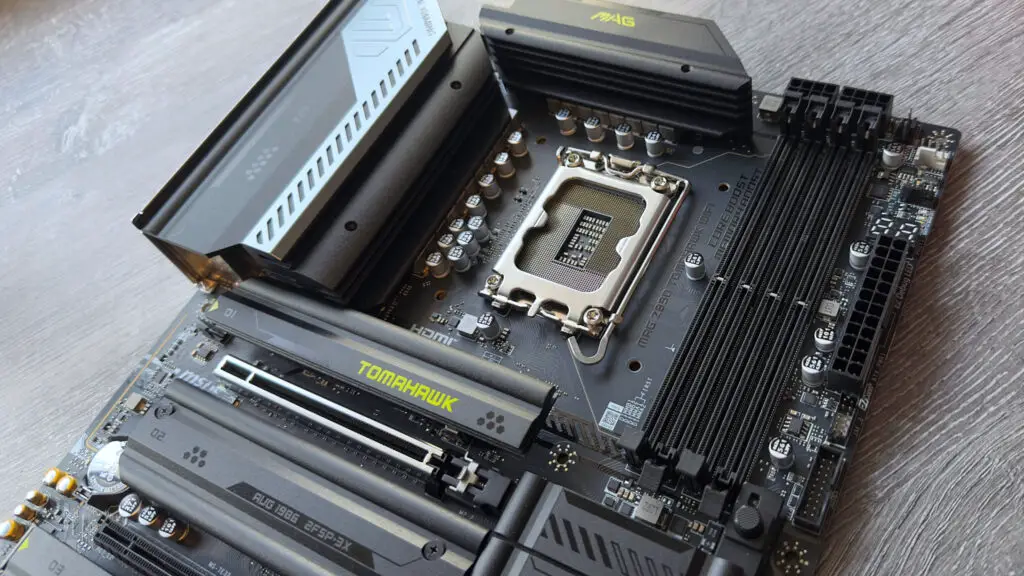
Unlike its siblings, the Z990 supports the “trifecta” of overclocking: CPU, BCLK, and Memory. For those aiming to push the boundaries of their hardware, this will be the go-to platform.
Enterprise and Release Timelines
Beyond the consumer space, Intel is readying the Q970 and W980 for business environments. These chipsets prioritize Intel vPro Essentials for remote management. While robust for office fleets, they generally lack the aesthetic flair and BIOS features that gamers crave.
Intel has indicated that Nova Lake remains on track for a late 2026 release. While market factors—like the volatility of memory pricing—could influence the final launch window, the early benchmarks from Panther Lake testing suggest Intel’s architectural improvements are yielding real-world results.
Stay tuned to Digital Tech Explorer as we continue to tear down these leaks and provide the technical insight you need to build your next-generation rig.