
In an industry obsessed with the next “big thing,” we often find ourselves chasing the horizon of AI-accelerated architectures and micro-architecture refreshes. Names like Nova Lake and Arrow Lake Plus dominate the headlines, promising a future of unprecedented IPC gains. However, at Digital Tech Explorer, we’ve learned that the most advanced tech isn’t always the newest. In a surprising strategic pivot, Intel has confirmed that its Raptor Lake generation—the foundation of the 13th and 14th Gen lineups—isn’t just sticking around; it’s being positioned as a vital pillar of their hardware strategy for the foreseeable future.
Raptor Lake: Why Intel is Planting its Flag in the Past
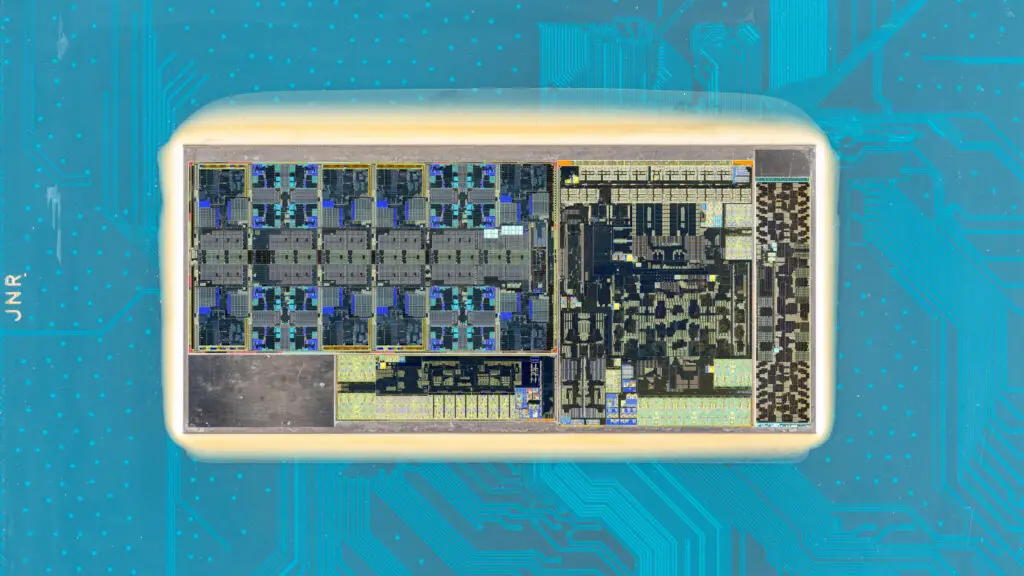
During a recent discussion with Club386, Robert Hallock, Intel’s VP, clarified that these hardware staples are “not going anywhere.” While enthusiasts often look toward the next socket change, Intel’s internal data suggests that the raw speed of Raptor Lake remains competitive even against multiple generations of rival hardware. Hallock emphasized that these chips will “continue to be abundantly available,” signaling that Intel intends to keep production lines active to meet a specific market demand that newer, more expensive platforms haven’t yet captured.
The DDR4 Bridge: Balancing Performance and Budget
One of the most practical reasons for this extended lifespan is the “bridge between worlds”: DDR4 support. As any seasoned PC builder knows, the transition to DDR5 has been a costly endeavor. With the current AI boom siphoning off global memory supply, DDR5 prices remain a significant barrier to entry for many gaming enthusiasts. By maintaining Raptor Lake production, Intel allows users to leverage more affordable DDR4 kits or reuse existing memory, significantly lowering the total cost of ownership for a high-performance system.
| Memory Type | Estimated 32GB Kit Price | Target Audience | Platform Compatibility |
|---|---|---|---|
| DDR4 | $150 – $220 | Budget & Mid-Range Builders | Raptor Lake (13th/14th Gen) |
| DDR5 | $300 – $450+ | Enthusiasts & Professionals | Arrow Lake / Nova Lake |
Strategic Market Positioning: The Three-Tier Future
At Digital Tech Explorer, we track tech trends closely, and Intel’s move suggests a shift in how they view their CPU hierarchy. We are likely entering a period where Intel manages a three-tiered market:
- Nova Lake: The premium, cutting-edge platform for early adopters and workstations.
- Arrow Lake: The mainstream performance tier for modern standards.
- Raptor Lake: The reliable, cost-effective “budget” workhorse for gamers and general users.
This strategy addresses the projected memory crisis, which experts believe could last until 2027. If Arrow Lake continues to struggle with market adoption due to its lack of DDR4 support, Intel has a “safety net” in its legacy architecture that still packs enough punch for modern PC games and intensive multitasking.
A Note on Stability and Reliability
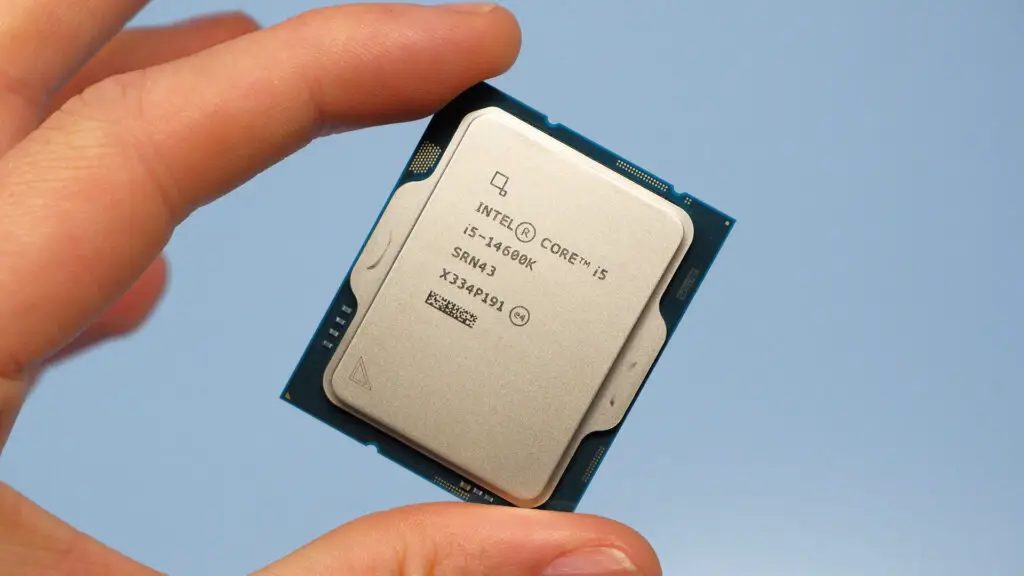
Transparency is a core value here at Digital Tech Explorer, and it is impossible to discuss Raptor Lake without mentioning the Vmin Shift stability issues that shadowed the 13th and 14th Gen launch. However, Intel’s commitment to this platform includes more than just continued sales; it includes refined support. With recent microcode updates and extended warranties now standard, the consensus among hardware analysts is that these processors are now stable and reliable choices for new builds.
For those looking to build a high-performance rig without the “early adopter tax,” the message from Intel is clear: Raptor Lake is here to stay, and it might just be the smartest buy in today’s volatile hardware market. Stay tuned to TechTalesLeo for more deep dives into how these legacy components stack up against the newest silicon.