
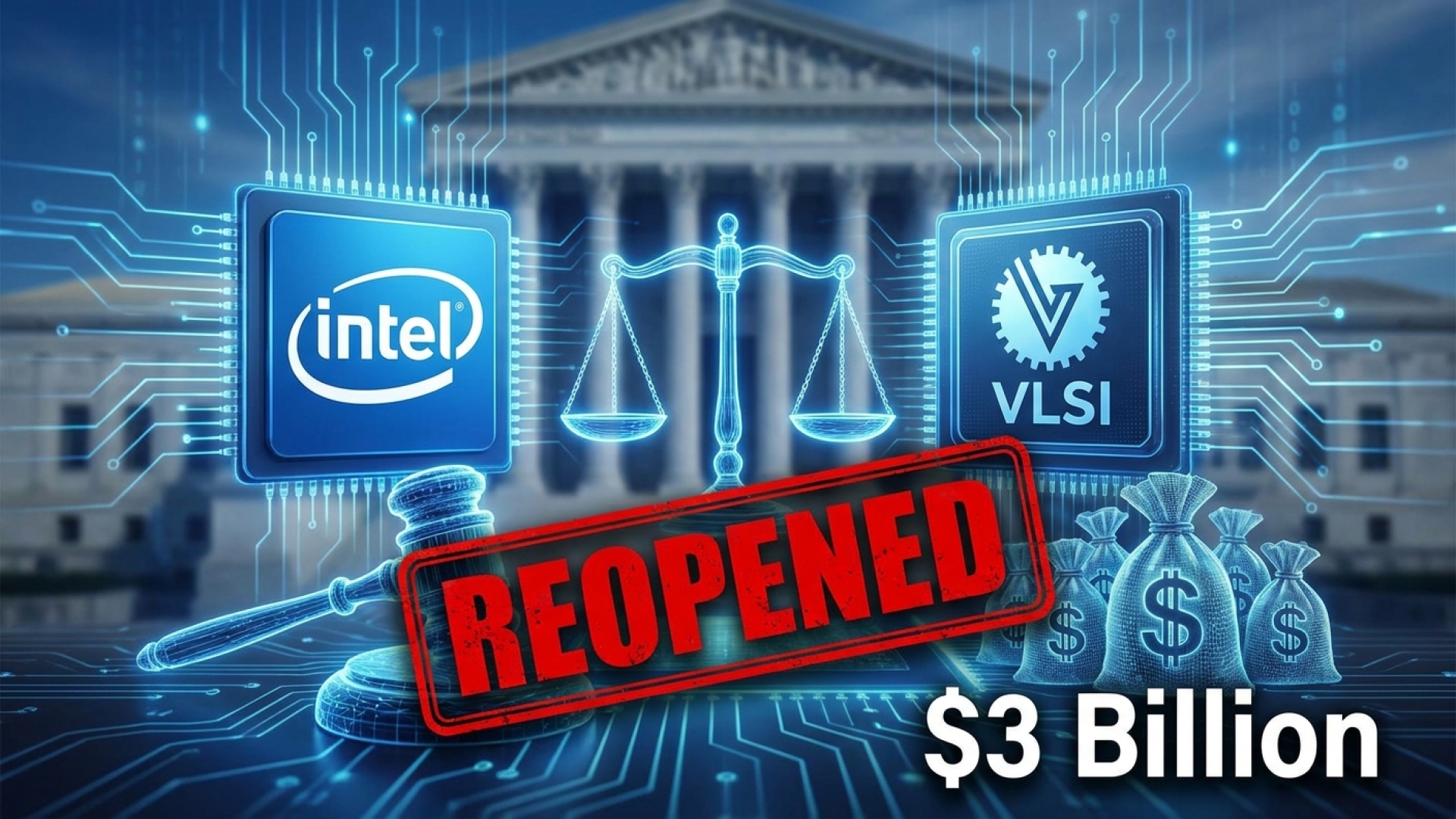
Patent law often feels like a labyrinth, and for tech giant Intel, the walls are closing in once again. In the latest chapter of a legal saga spanning nearly a decade, a US appeals court has breathed new life into a multi-billion dollar feud. The decision, handed down in California, clears the way for VLSI Technology to take the chipmaking titan back to court over claims involving a staggering $3 billion in potential damages.
As first reported by Reuters, the judicial ruling issued on April 14 does not serve as a final judgment of guilt. Instead, it acts as a procedural green light, ensuring that the complex battle over processor architecture will continue to be hashed out in front of a jury. For those following the industry, this is more than just a legal spat; it is a high-stakes chess match over the very blueprints of modern computing.
VLSI’s Core Allegations and Key Patents
At the heart of the dispute is the way modern processors manage speed, power, and internal communication. VLSI—a firm that manages intellectual property originally developed by NXP Semiconductors and Freescale Semiconductors—has alleged since 2017 that these innovations are being used without permission in various Intel product lines.
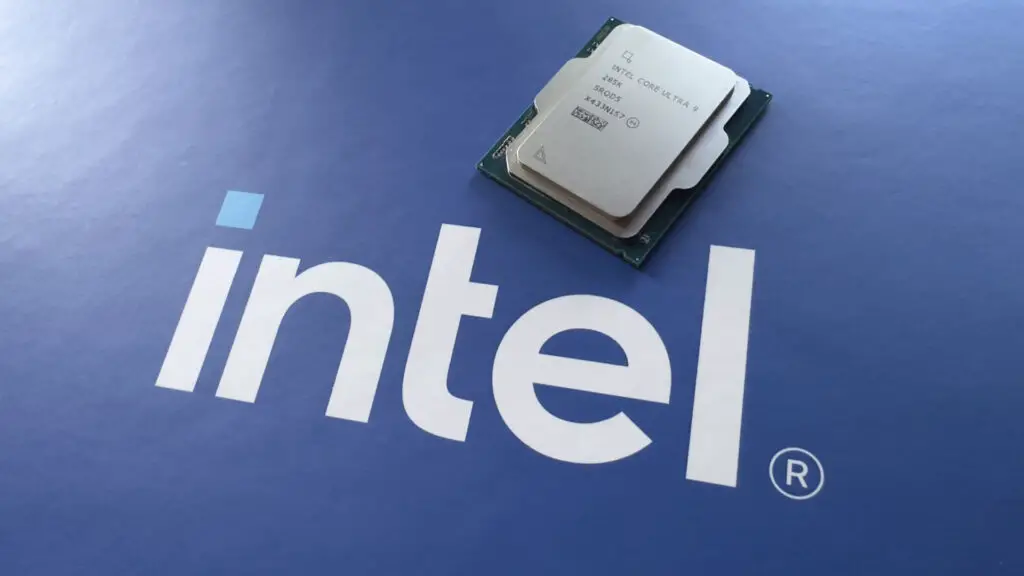
The specific focus of this revived appeal is patent 8,566,836. Originally filed by Freescale in 2009, this patent describes a sophisticated method for task allocation within a multicore processor. Essentially, it covers the logic used to decide whether a specific workload should be executed on a single core or distributed across multiple cores to maximize efficiency. VLSI argues that this foundational “brain” of the CPU belongs to their portfolio.
| Patent Number | Technical Focus | Current Legal Status |
|---|---|---|
| 8,566,836 | Multicore Task Allocation | Revived for further proceedings |
| 7,725,759 | Power Management | Previously awarded, later reversed |
| 7,523,373 | System Architecture Efficiency | Under ongoing dispute |
A Decade of Legal Back-and-Forth
The history between these two entities has been a rollercoaster of massive wins and sudden reversals. In 2021, it appeared that VLSI had landed a knockout blow when a court awarded them $2.18 billion. That sum included $675 million specifically tied to patent ‘759. However, the legal system’s “undo” button was pressed when that decision was later reversed, temporarily sparing the Santa Clara firm from a massive payout.
Intel’s strategy has often involved challenging the validity of the patents themselves. While initially blocked from certain appeals due to procedural rules, the company successfully bypassed these hurdles by joining petitions filed by other tech firms facing similar litigation. This “strength in numbers” approach allowed them to keep the fight alive, even as VLSI secured another $948.8 million verdict in 2022—a bill that remains contested today.
What’s Next for Silicon Innovation?
The latest court decision effectively rejects previous arguments used to stall the ‘836 verdict. For the tech community, this means the saga is far from its series finale. As we look toward 2024 releases and beyond, these legal fees and potential settlements loom large over research and development budgets.
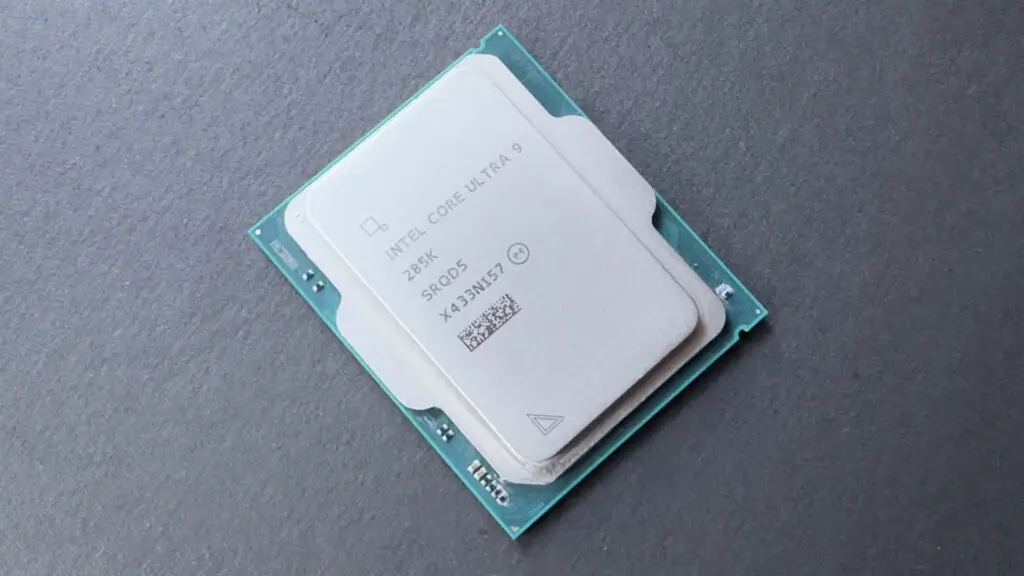
While the company reported a healthy net income of $5.9 billion in late 2020, more recent financial cycles have been significantly tighter. With a massive strategic pivot toward AI acceleration and the highly anticipated Core Ultra 400 series (Nova Lake), every dollar counts. As a storyteller in the tech space, I find the irony striking: while engineers race to build the future of 3D gaming and machine learning, the company’s fate may ultimately be decided by a patent filed nearly two decades ago. For now, the industry watches and waits to see if these legal hurdles will slow the pace of silicon innovation.
Disclaimer: All content on Digital Tech Explorer is for informational and entertainment purposes only. We do not provide financial or legal advice. Some links may be affiliate links; we may earn a commission at no additional cost to you.