
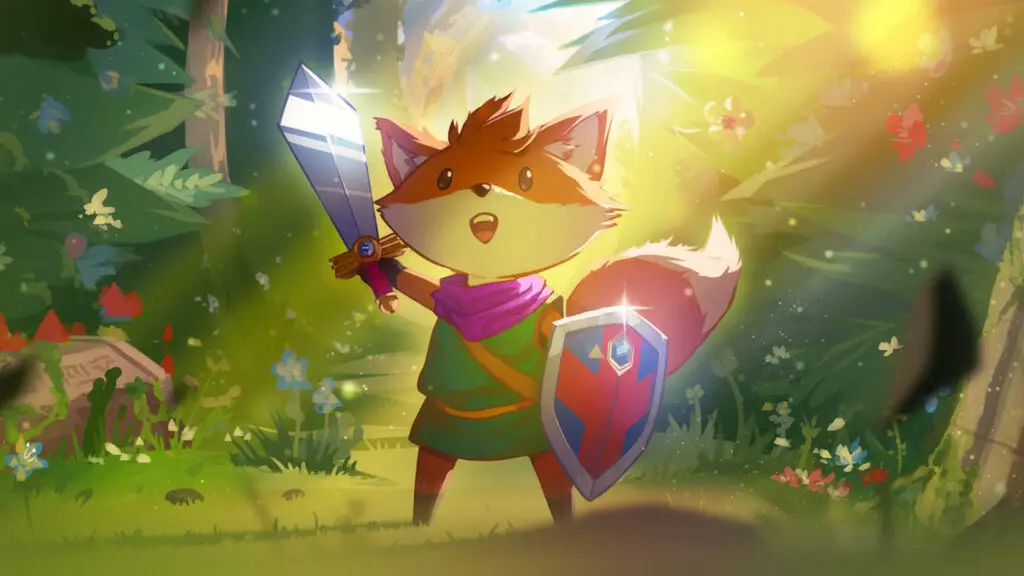
Independent game publisher Finji—the creative force behind celebrated titles like Night in the Woods and Tunic—has leveled serious allegations against TikTok. The dispute centers on the social media platform generating and running unauthorized, offensive advertisements using Finji’s intellectual property and art assets. According to CEO Rebekah Saltsman, these ads appear to be manipulated via generative AI, sparking a heated debate over creator rights and content moderation in the era of AI acceleration.
Unauthorized AI-Generated Ads Spark Controversy
The issue surfaced when Saltsman took to social media, requesting followers to document any “un-Finji-like” advertisements appearing on TikTok. While the publisher does maintain a legitimate advertising presence on the platform, they have explicitly stated that their official campaigns never utilize generative AI. However, community-submitted screenshots revealed a disturbing reality: Finji’s assets were being altered without consent.
One of the most alarming examples involved the lead character of an upcoming title—a Black woman—being transformed into a sexualized and racist caricature. This incident underscores the profound risks inherent in unchecked automated content creation. For gaming professionals and digital artists, this represents a new frontier of copyright infringement where technology moves faster than policy.
Summary of the Dispute
| Issue | Description |
|---|---|
| Unauthorized Asset Use | TikTok allegedly used Finji’s game art without permission for “enhanced” ads. |
| AI Manipulation | Generative AI was used to alter characters, resulting in offensive caricatures. |
| Moderation Failure | Initial support responses denied the use of AI despite visual evidence. |
| Corporate Transparency | TikTok eventually admitted the ads were part of an automated “optimization” initiative. |
TikTok’s Contradictory Responses
The communication from TikTok Ads Support has been inconsistent. Initially, the support team denied any involvement of artificial intelligence, claiming there was no indication that AI-generated assets were in use. It was only after being confronted with definitive visual proof that the platform shifted its stance, acknowledging that the incident had indeed occurred.
Finji was later informed that these advertisements were part of an internal “initiative” designed to help advertisers achieve better performance with minimal effort. While TikTok offered an “opt-out” option, the damage to the brand’s reputation and creative integrity was already done. The publisher’s attempt to escalate the issue reached a dead end when they were told they were already speaking with the “highest internal team available,” though TikTok later promised further internal escalation after continued pushback.
Ethical Implications for the Gaming Industry
Rebekah Saltsman has expressed profound outrage over the lack of accountability. She highlighted the systemic issues of using AI to churn out content for paying business partners without their consent, especially when that content defaults to harmful tropes. “Does TikTok want me to be grateful for the mistreatment of my company and our game?” Saltsman questioned, highlighting the frustration felt by many in the PC games and indie development community.
As we navigate 2024 releases and beyond, the intersection of tech innovation and ethics remains a primary focus here at Digital Tech Explorer. This case serves as a cautionary tale for developers and tech enthusiasts alike regarding the volatility of hardware and software automation. The ongoing situation raises critical questions: who truly owns the digital image of a character once it enters a social media algorithm, and what protections exist for the creators behind them?
For more insights into the evolving landscape of digital innovation and to stay updated on AI trends, keep following our deep dives into the tech that shapes our world.